

When your heater stops working — no heat, cold air from vents, or a system that won't stay on — every hour without warmth makes your home more uncomfortable and your pipes more vulnerable. Heating failures demand fast, accurate repairs, not trial and error. Stone Heating & Air provides reliable heating repair in Ashland, OR, to restore warmth quickly and safely.
We diagnose the real problem and fix it right:
- Furnace and heat pump troubleshooting for all major brands.
- Ignitor, flame sensor, and blower motor replacement.
- Gas valve and thermocouple inspection and repair.
- Emergency heating repair when you can't afford to wait. Call Stone Heating & Air at (541) 855-5521 or schedule heating repair in Ashland today.
What You Can Expect From Professional Heating Repair Services
When a heating system malfunctions, the primary goal is restoring heat quickly while ensuring the long-term reliability of the unit. You are likely facing specific symptoms: odd banging noises, a yellow pilot light, short-cycling (turning on and off rapidly), or a complete lack of airflow. Stone Heating and Air addresses these issues by focusing on the root cause rather than applying temporary patches.
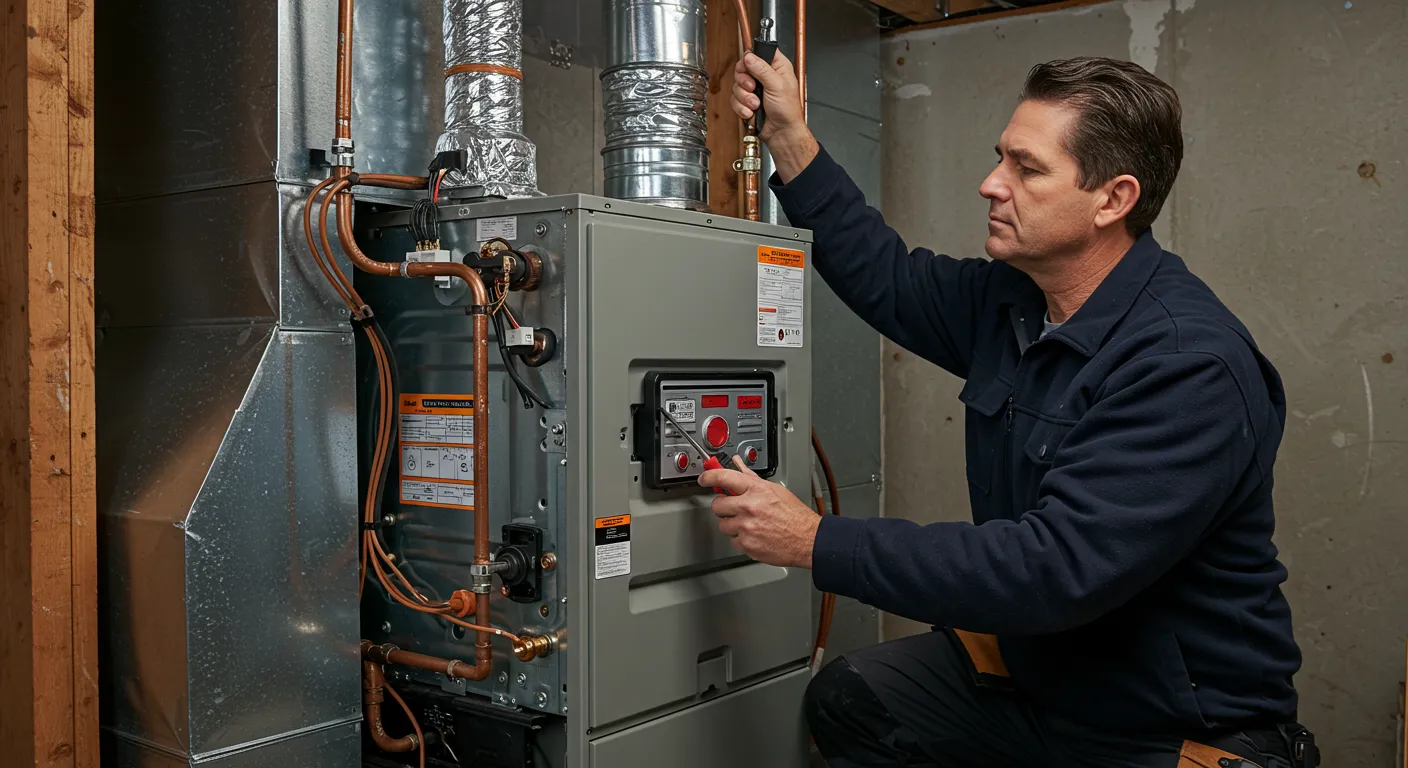
Modern heating systems are complex appliances that integrate gas lines, high-voltage electricity, and delicate sensor arrays. Professional service goes beyond simply swapping out a part. It involves a systematic check of the entire heating envelope. This includes verifying that the thermostat is communicating correctly with the control board, ensuring the heat exchanger is free of cracks, and confirming that blower motors are operating at the correct RPM.
Common Heating Components We Repair
Understanding what goes into a repair helps clarify the scope of work. Technicians frequently handle the following components:
- Ignition Systems: Faulty ignitors or pilot lights are common reasons a furnace will not start. Modern hot surface ignitors are fragile and require precise handling.
- Blower Motors and Belts: If you hear squealing or little to no air is coming from the vents, the issue often lies with the motor or the belt driving the fan.
- Thermostats and Control Boards: These are the brains of the operation. Wiring issues or calibration errors here can make a perfectly good furnace act dead.
- Flame Sensors: Over time, these sensors get coated in carbon buildup, shutting the system down as a safety precaution even if a flame is present.
- Heat Exchangers: A cracked heat exchanger is a critical safety failure that can leak carbon monoxide. This requires immediate professional attention.
- Refrigerant Leaks (Heat Pumps): For homes utilizing heat pumps, low refrigerant levels reduce heating capacity and can damage the compressor.
The Diagnostics and Repair Process Explained
Transparency reduces the stress associated with home repairs. A structured approach ensures that no potential issue is overlooked and that you are not paying for unnecessary parts. The process is designed to be efficient, thorough, and respectful of your home — read our reviews for peace of mind:
- Initial Assessment: The technician arrives and begins by discussing the specific symptoms you have noticed. They will check the thermostat settings and perform a visual inspection of the unit to look for obvious signs of wear, loose wiring, or corrosion.
- System Testing: Using specialized tools like multimeters and manometers, the technician tests electrical voltage, gas pressure, and airflow. This step isolates the component causing the failure. For example, if a furnace is locking out, the technician reads the error code sequence on the control board to pinpoint the fault.
- The Explanation and Quote: Once the problem is identified, you receive a clear explanation of what failed and why. You are presented with a straightforward quote for the repair. Work does not begin until you understand the scope and approve the service.
- Execution of Repair: The technician proceeds with the repair, using high-quality replacement parts. This may involve draining lines, soldering connections, or rewiring control panels.
- Final Safety Check and Calibration: After the part is installed, the system is not just turned on; it is tested. The technician measures temperature rise (the difference between air entering and leaving the system) to ensure it falls within manufacturer specifications. They also check for gas leaks and carbon monoxide presence to guarantee safety.
Deciding Between Heating Repair and System Replacement
Homeowners often face the difficult decision of whether to invest in another repair or opt for a full system replacement. This decision should be based on data and financial logic, not sales pressure — visit our FAQs for answers. There are specific thresholds where repair is the smart choice, and others where it becomes a sunk cost.
When Repair Is the Right Choice
- The System is Under 10 Years Old: Most modern furnaces and heat pumps have a lifespan of 15 to 20 years. If your unit is relatively new, a repair is usually the most cost-effective route.
- The Repair Cost is Reasonable: A general industry guideline is the "50% rule." If the cost of the repair is less than 50% of the value of the system, repair is recommended.
- Warranty Coverage: If your unit is still under manufacturer warranty, parts may be covered, significantly reducing your out-of-pocket expense to just labor.
- Consistent Performance: If the system has been reliable up until this specific breakdown and maintains comfortable temperatures efficiently, keeping it running is logical.
When Replacement Should Be Considered
- Age of Equipment: If the furnace is over 15 years old or the heat pump is over 12, major component failures (like a compressor or heat exchanger) often signal the end of the unit’s useful life.
- Frequency of Repairs: If you have required multiple repairs in the last two years, these costs add up. A system that breaks down frequently is becoming unreliable and expensive to maintain.
- Rising Energy Bills: As components wear out, systems work harder to produce the same amount of heat. If your utility bills in Ashland are spiking despite normal usage, the system has likely lost its efficiency.
- Safety Hazards: Any system with a cracked heat exchanger represents a carbon monoxide risk. In almost all cases, replacement is safer and more economical than replacing just the heat exchanger on an old unit.
Navigating Local Regulations and Environmental Factors
Operating a heating system in Ashland comes with specific regional considerations. The local climate and utility landscape influence how systems should be maintained and repaired.
Climate Impact on HVAC Hardware
While winters here are generally mild compared to the Midwest, the combination of dampness and occasional freezing temperatures creates a unique stress profile for heating equipment. The high moisture content in the air during winter can lead to accelerated rust and corrosion on outdoor heat pump units and internal furnace components if not properly monitored.
Furthermore, the hot, dry summers contribute to high particulate matter in the air, specifically from wildfire smoke. This dust and ash can infiltrate intake vents and clog filters and blower wheels. During a heating repair, it is standard procedure to check the internal cleanliness of the system, as restricted airflow from summer debris often leads to winter overheating and system failure.
Utilities and Permitting
Working with the local infrastructure is vital. Many homes in the area rely on electricity provided by the Ashland Municipal Electric Utility, while others use natural gas. The type of energy source dictates specific code requirements for repairs. For instance, working on gas lines requires adherence to strict safety codes to prevent leaks and ensure proper venting of combustion gases.
Certain types of major repairs or system alterations may trigger the need for permits. Professional technicians are familiar with the local building codes in Oregon and ensure that all work performed meets or exceeds these standards. This compliance is essential not just for safety, but also for maintaining the validity of your home insurance and the value of your property.
Seasonal Maintenance Windows
Because the heating season here can extend from late October well into April, timing your repairs and maintenance is critical. The most effective strategy is to address minor noises or performance drops early in the autumn before the first hard freeze puts maximum demand on the grid and local service providers.
Why Homeowners Trust Us with Their Heating Systems
Choosing a service provider is about finding a partner who values technical accuracy and honest communication. The focus remains on restoring your home’s comfort with minimal disruption:
- Technical Expertise: Technicians undergo continuous training to stay updated on the latest HVAC technologies, from variable-speed blowers to smart thermostat integration. This ensures that whether you have an aging boiler or a cutting-edge heat pump, the diagnosis is accurate.
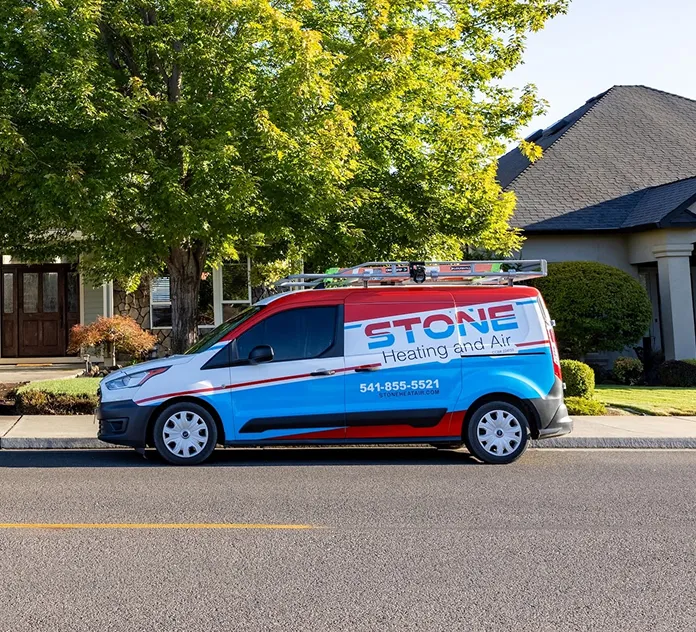
- Stocked Service Vehicles: Time is of the essence when the heat is out. Service trucks are stocked with common parts to increase the likelihood of fixing the issue in a single visit, avoiding the wait for ordered components.
- Transparent Communication: You are never left in the dark regarding the status of your repair. Findings are explained clearly, and options are presented without high-pressure sales tactics.
- Respect for Property: Technicians use drop cloths and shoe covers to protect flooring and clean up the workspace completely after the job is done.
Heating issues demand a swift, professional response to protect your home and family. Do not let a minor malfunction turn into a major system failure. Stone Heating and Air is ready to diagnose and resolve your heating problems efficiently.
Restore Comfort Fast With Ashland’s Trusted Heating Experts
When your home loses heat, every minute matters — and Stone Heating and Air is ready to respond. Our team delivers rapid, reliable, and expertly executed heating repairs designed to restore warmth, safety, and peace of mind without delay. Whether your system has failed overnight, is showing early warning signs, or simply isn’t keeping up with winter temperatures, we act fast with fully stocked vehicles, certified technicians, and clear communication every step of the way. Don’t wait for a small issue to become a costly breakdown — contact Stone Heating and Air today to schedule your immediate heating repair and reclaim your home’s comfort.
- Book Expert Service Or Contact Us