


A new heating system is a major investment — and getting the installation wrong means poor performance, higher bills, and a shorter equipment lifespan. Oversized furnaces short-cycle and waste fuel, while undersized units run constantly without warming your home. Stone Heating & Air provides professional heating installation in Ashland, OR, with proper sizing and expert setup.
We make sure your new system delivers from day one:
- Heat load calculations to match the right system to your home.
- Furnace and heat pump installation for all major brands.
- Ductwork evaluation and modification for optimal airflow.
- Full system testing and performance verification after install. Call Stone Heating & Air at (541) 855-5521 or schedule your free estimate in Ashland today.
What to Expect From a Professional Heating Installation
When you invest in a new heating system, you are purchasing more than just a piece of equipment; you are securing a comprehensive climate control solution. A modern installation involves a complete evaluation of your home’s thermal characteristics to ensure the new unit operates at peak efficiency. The scope of work covers the safe removal and disposal of your old unit, the delivery and placement of the new system, and the critical integration with your existing ductwork and thermostat infrastructure.
The timeline for a standard residential installation is typically one day, provided there are no major structural modifications required. Our technicians arrive fully equipped to handle the transition efficiently, minimizing disruption to your household. We focus on installing systems that are appropriate for the region's specific needs, whether that involves a high-efficiency gas furnace or a modern electric heat pump. The goal is to leave you with a system that runs quietly, heats evenly, and uses less energy than your previous unit.
Key components of our installation service include:
- Load Calculation: We perform a precise calculation to determine exactly how much heat your home requires, preventing the installation of oversized or undersized units.
- Ductwork Inspection: Existing ducts are checked for leaks or blockages that could hinder the performance of the new machinery.
- System Calibration: Once installed, the unit is fine-tuned to manufacturer specifications to ensure optimal airflow and fuel combustion.
- Safety Checks: We rigorously test all gas lines, electrical connections, and venting systems to ensure your home is safe from carbon monoxide and fire hazards.
The Installation Process Step-by-Step
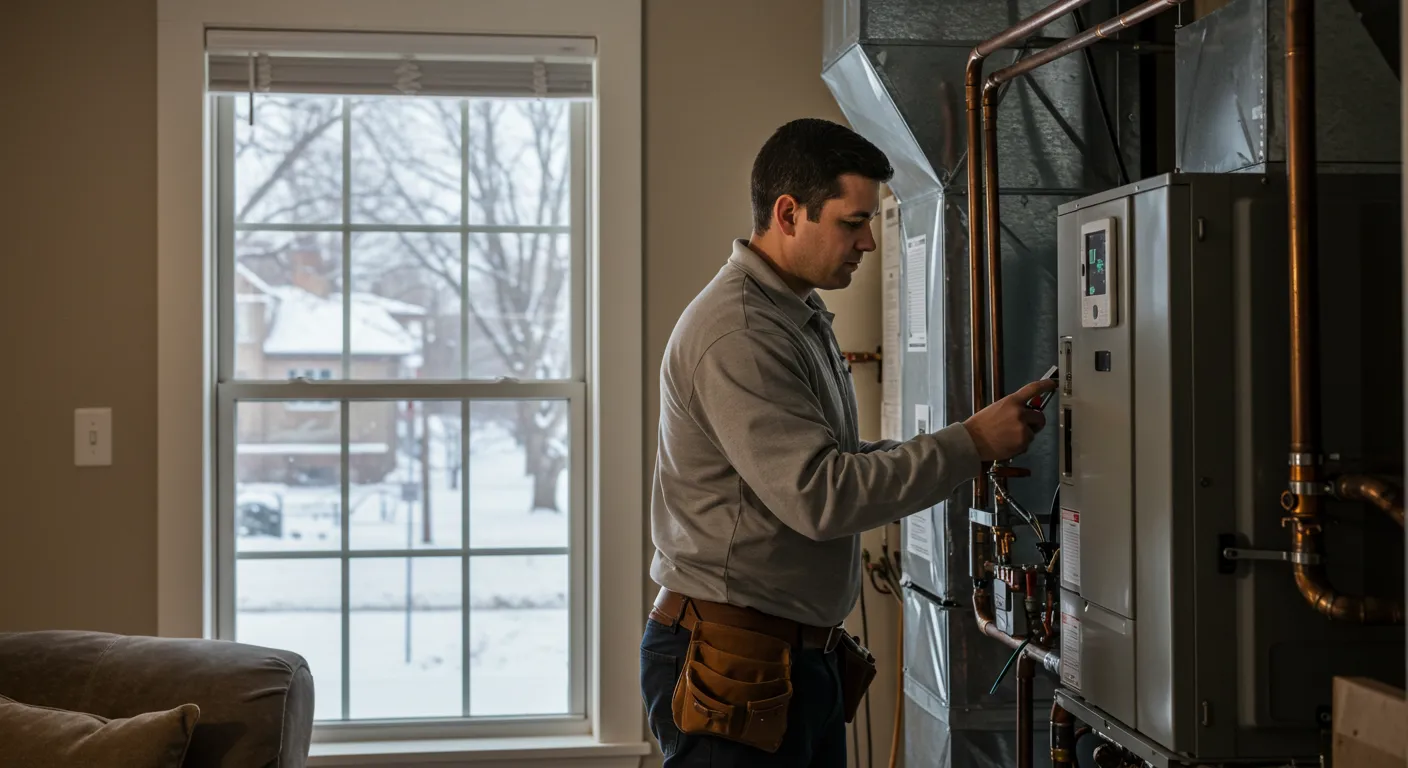
A successful heating replacement relies on a systematic approach. Cutting corners during installation is the leading cause of premature system failure and reduced efficiency. We follow a strict protocol to ensure every aspect of the system is installed correctly the first time:
- Assessment and Sizing: The process begins with a technical assessment of your home in Ashland. We look at square footage, insulation levels, window quality, and orientation. This data allows us to perform a Manual J load calculation. This step is non-negotiable; guessing the size based on the old unit often perpetuates past efficiency problems.
- Site Preparation and Removal: Before the new unit is brought in, the installation area is prepared. We lay down floor protection to keep your home clean. The power and gas supplies are shut off, and the old equipment is disconnected. We handle the removal and environmentally responsible disposal of the old furnace or heat pump, including the reclamation of any refrigerant.
- Positioning and Connection: The new unit is positioned and leveled. This is critical for proper drainage of condensate and quiet operation. We then connect the unit to the supply and return plenums (ductwork). If necessary, we fabricate custom sheet metal transitions to ensure an airtight fit, which is essential for maintaining static pressure and airflow.
- Venting and Utilities: For gas furnaces, we install or inspect the flue piping to ensure exhaust gases are vented safely outside. Electrical wiring is connected and tested for proper voltage and amperage. Gas lines are connected and immediately leak-tested. For heat pumps, refrigerant lines are brazed, pressure-tested with nitrogen, and then evacuated to remove moisture before being charged with refrigerant.
- Commissioning and Testing: The system is turned on and put through a full operational cycle. We measure temperature rise (the difference between air entering and leaving the unit) to confirm it matches the manufacturer’s design. We also check static pressure and verify that the thermostat is communicating correctly with the equipment.
- Final Walkthrough: Once the system is running perfectly, we walk you through the operation of your new thermostat and explain maintenance requirements, such as filter changes.
When to Choose Replacement Over Repair
Deciding between repairing an aging system and investing in a new installation is a common dilemma for homeowners. While repairs may seem cheaper in the short term, they often act as a temporary bandage on a failing system. There are specific indicators that suggest replacement is the more financially sound option.
The 50% Rule
A general guideline in the HVAC industry is the 50% rule. If the cost of the repair approaches 50% of the value of a new system, replacement is usually the better investment. As systems age, parts become harder to source and more expensive, meaning a major repair today does not guarantee the system won’t fail again next month.
System Age and Efficiency
Most furnaces and heat pumps have a lifespan of 15 to 20 years. If your unit is over 15 years old, it is likely operating at a significantly lower efficiency than modern standards. New systems have higher AFUE (Annual Fuel Utilization Efficiency) ratings, meaning a higher percentage of the fuel is converted into usable heat. Upgrading from an older 70% AFUE furnace to a 95% AFUE model can result in substantial monthly savings.
Frequency of Breakdowns
If you have required multiple service calls in the last two years, the system has become unreliable. Frequent breakdowns are a sign that the internal components are reaching the end of their fatigue life. Continuing to repair a unit in this condition results in a "money pit" scenario where cumulative repair costs exceed the price of a new install.
Comfort and Air Quality Issues
If some rooms in your home are freezing while others are hot, or if the unit makes excessive noise, it signals that the system is either failing or was never sized correctly to begin with. Older units can also struggle to manage humidity, leading to dry, uncomfortable air or moisture issues during the wet Oregon winters.
Local Considerations for Heating in Ashland
Installing a heating system in Southern Oregon requires specific attention to regional factors. The climate here is distinct, characterized by wet, chilly winters where temperatures frequently drop below freezing at night, followed by relatively mild days. This temperature fluctuation puts a unique demand on heating equipment.
Climate-Specific Equipment Selection
Because the winters are not as aggressively cold as the Midwest but are consistently damp, heat pumps are a very popular and effective choice for the region. Modern heat pumps can handle the heating load efficiently down to freezing temperatures. However, for homeowners who prefer gas heat, high-efficiency furnaces are essential to combat the sustained chill without driving up energy costs. We ensure the equipment selected is rated for the specific heating degree days experienced in the Rogue Valley.
Permitting and Codes
Installation work in Ashland and the surrounding Jackson County area must adhere to strict local building codes. These codes govern everything from the type of venting material used to the clearance required around the unit. A permit is required for the installation of new HVAC equipment to ensure it meets safety standards. We handle the entire permitting process, ensuring the installation passes all required city or county inspections.
Utility Rebates and Incentives
Local utilities and state programs often offer rebates for upgrading to high-efficiency equipment. These incentives can significantly offset the initial cost of installation. We stay updated on current offerings from providers like Pacific Power or Avista and help you identify which equipment qualifies for these financial benefits.
Why Professional Installation is Critical
Attempting to cut costs by hiring unlicensed contractors or attempting a DIY installation can lead to dangerous and expensive consequences. A heating system involves high-voltage electricity, combustible gases, and pressurized refrigerants. The safety and longevity of your system depend entirely on the quality of the installation.
Safety Assurance
Improperly installed gas furnaces are a primary cause of carbon monoxide leaks in residential properties. Professional technicians use specialized tools to verify that all venting is sealed and drafted correctly. Electrical connections must be tightened to specific torque settings to prevent arcing and fire hazards. Stone Heating and Air prioritizes safety above all else, adhering to rigorous protocols that protect your home and family.
Efficiency and Performance
Research indicates that a significant percentage of HVAC systems are installed incorrectly, leading to efficiency losses of up to 30%. Common issues include improper refrigerant charge and leaky ductwork. Even the most expensive, high-efficiency unit will perform like a low-end model if it is not installed with precision. We ensure that the efficiency rating you paid for is the efficiency you actually get.
Warranty Protection
Manufacturers of heating equipment require proof of professional installation to honor their warranties. If a component fails and the system was installed by an uncertified individual, the warranty is often voided, leaving you responsible for the full cost of repairs. We provide the documentation and certified service necessary to keep your manufacturer warranty valid.
Secure Your Comfort With Expert Installation
Don't let another winter day go by with an inefficient or unsafe heating system. The right installation ensures consistent warmth, lower energy bills, and peace of mind knowing your home is prepared for the weather. Whether you need to replace an aging furnace or install a modern heat pump, we have the expertise to get the job done right. Take control of your home’s climate today. Contact us now to schedule your heating installation consultation.
- Book Expert Service Or Contact Us