

Installing a new air conditioner isn't just about picking a unit — it's about getting the right size, proper ductwork, and correct refrigerant charge for your specific home. A poorly installed AC wastes energy from day one and fails years before it should. Stone Heating & Air provides expert AC installation in Ashland, OR, with precise load calculations and professional setup.
We get your new cooling system right the first time:
- Home load calculations to match the perfect AC size to your space.
- Professional installation of high-efficiency systems from top brands.
- Ductwork evaluation and modification to ensure proper airflow.
- Post-install testing and performance verification before we leave. Call Stone Heating & Air at (541) 855-5521 or schedule your free estimate in Ashland today.
What You Get With a Professional Installation
Investing in a new air conditioning system is about more than just purchasing a unit; it is about securing long-term comfort and efficiency for your home. When you schedule an installation service, you receive a comprehensive solution designed to address the specific cooling load of your property. The goal is to ensure that every room maintains a consistent temperature, humidity levels are controlled, and energy consumption is minimized.
Modern installation standards require a technical approach that goes beyond simply swapping out old boxes. A professional service includes a full evaluation of your current ductwork infrastructure to ensure it can handle the airflow of modern, high-efficiency systems. Older ductwork often has leaks or design flaws that can reduce the efficiency of a new unit by up to 30 percent. Addressing these issues is part of the package.
You also receive a properly sized system based on Manual J load calculations. This calculation considers the square footage, insulation levels, window orientation, and local climate data. If a unit is too large, it will short-cycle, failing to dehumidify the air. If it is too small, it will run continuously without ever reaching the set temperature. Correct sizing is the foundation of a system that lasts.
Additionally, the installation includes the safe removal and disposal of your old equipment. Refrigerants from older units must be reclaimed according to EPA regulations to prevent environmental damage. This process is handled entirely by the installation team, ensuring you are not left with hazardous waste or heavy equipment to manage.
The Installation Process Step-by-Step
Understanding the workflow of an AC installation helps homeowners prepare for the appointment and ensures transparency. The process is designed to be efficient, minimizing disruption to your daily routine while adhering to strict safety and quality standards:
- Site Evaluation and Protection: The day begins with a final walkthrough of the installation site. Technicians lay down drop cloths and protective coverings to ensure your flooring and furniture remain clean throughout the project. The workspace is cleared of debris to allow for safe maneuvering of heavy equipment.
- Decommissioning the Old System: Power is disconnected from the existing unit to ensure safety. The technicians then recover any remaining refrigerant from the old system into certified recovery cylinders. Once the lines are clear, the old condenser (outdoor unit) and evaporator coil (indoor component) are disconnected and removed from the property.
- Modifications and Preparation: Before the new unit is set in place, the installation team prepares the mounting pad. In many cases, a new composite pad is installed to ensure the outdoor unit sits level and is isolated from ground vibration. Inside, the plenum (the box connecting the AC to the ductwork) may be modified to fit the dimensions of the new evaporator coil.
- Equipment Installation: The new condenser is positioned outside, and the new coil is installed inside the air handler or furnace. Copper refrigerant lines are run between the two components. If existing lines are being reused, they are flushed and pressure-tested to ensure there are no contaminants or leaks.
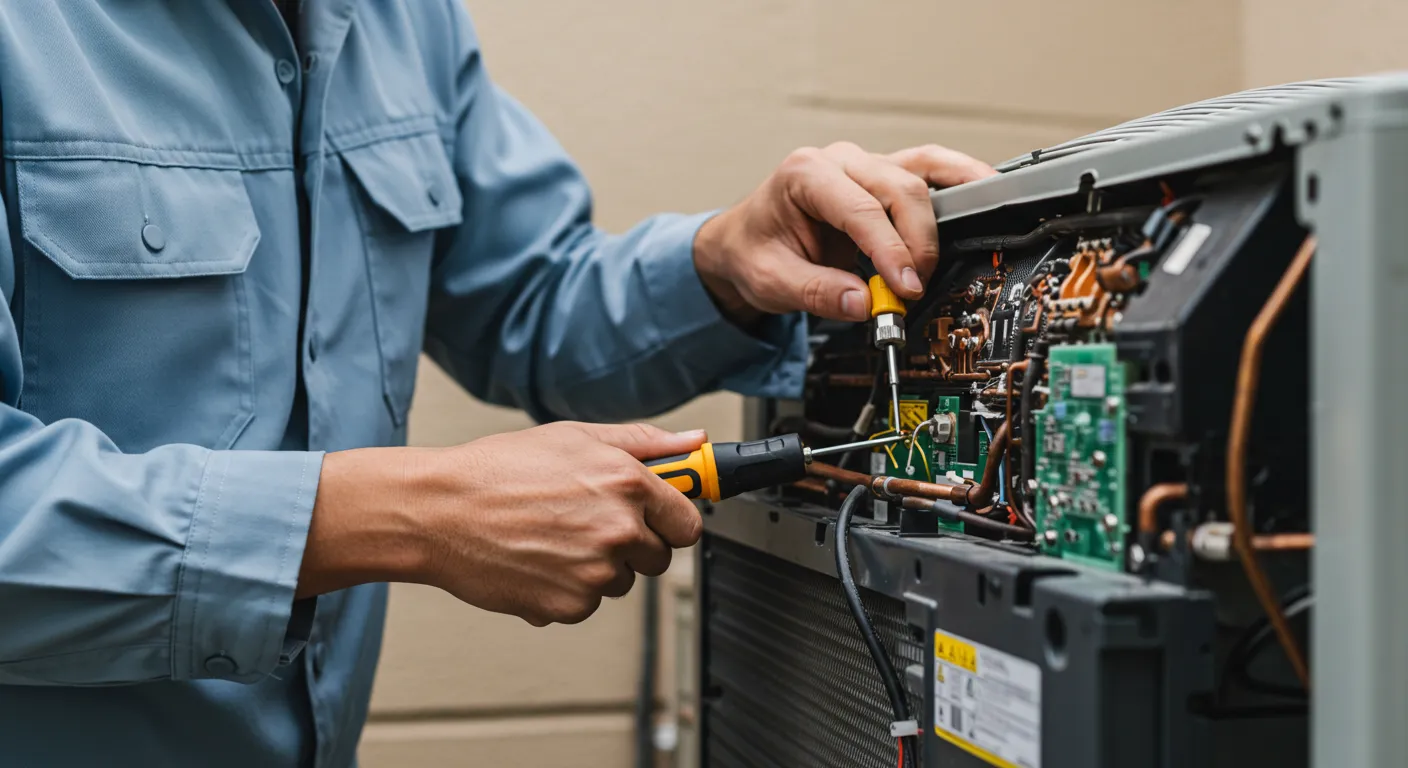
- Brazing and Sealed Connections: Technicians use nitrogen purging while brazing copper lines. This step prevents oxidation from forming inside the pipes, which can clog the sensitive valves of modern high-efficiency units. A vacuum pump is then used to remove all moisture and air from the system, creating a contaminant-free environment for the new refrigerant.
- Electrical and Thermostat Setup: High-voltage wiring is connected to a new disconnect box outside, and low-voltage control wires are connected to the indoor unit and thermostat. If you have opted for a smart thermostat, it is installed and connected to your Wi-Fi network during this stage.
- System Startup and Calibration: Once the system is charged with refrigerant, it is turned on. Technicians measure static pressure, airflow, and temperature differences (delta T) across the coil. The system is calibrated to manufacturer specifications to ensure it delivers the rated efficiency and cooling capacity.
When to Replace vs. Repair Your AC
Deciding between repairing an aging unit and investing in a new installation is a common dilemma for homeowners. While repairs can offer a short-term fix, there comes a point where sinking money into an old system is no longer financially prudent. Making the right choice depends on the age of the unit, the cost of repairs, and the system’s recent performance history:
- The 50 Percent Rule: A general guideline used in the industry is the 50 percent rule. If the cost of the repair approaches or exceeds 50 percent of the value of a new system, replacement is generally the better option. Major failures, such as a blown compressor or a cracked coil, often fall into this category.
- Age of the Equipment: Most air conditioners are designed to last between 10 and 15 years. If your unit is over 10 years old and requires a significant repair, replacement is often recommended. Technology in HVAC advances rapidly; a unit installed a decade ago is likely far less efficient than current models.
- Frequency of Breakdowns: If you have required multiple service calls in the last two years, the system is likely nearing the end of its useful life. Frequent breakdowns indicate that internal components are wearing out simultaneously. Continuing to repair individual parts often results in a "money pit" scenario where the total repair costs quickly exceed the price of a new install.
- Refrigerant Type: Older systems utilize R-22 (Freon), a refrigerant that has been phased out due to environmental regulations. As supplies dwindle, the cost of R-22 has skyrocketed. If an older R-22 unit develops a leak, the cost to recharge it is often prohibitive, making replacement the only logical solution.
- Energy Efficiency Concerns: If your energy bills have been steadily climbing despite normal usage, your AC is losing efficiency. Modern systems with high SEER2 (Seasonal Energy Efficiency Ratio) ratings use significantly less electricity to provide the same amount of cooling. The monthly savings on utility bills can help offset the cost of the new installation over time.
Navigating Local Installation Requirements
Operating in Ashland requires adherence to specific local codes and an understanding of the regional climate. The installation process must account for the intense dry heat of the summer while respecting local regulations regarding noise and construction:
- Permitting and Inspections: AC installations constitute a major modification to the home’s mechanical system and typically require a permit from the local building department. This ensures that the electrical connections are safe, the unit is properly sized, and the installation meets current energy codes. A professional installer handles the application and scheduling of the final inspection to ensure the work is compliant.
- Electrical Panel Upgrades: Some older homes in the area may have electrical panels that are not rated for modern central air conditioning loads. During the initial assessment, the electrical capacity is reviewed. If the current panel cannot support the amperage required by the new unit, a sub-panel or service upgrade may be necessary to meet safety codes.
- Noise Ordinances: Local noise ordinances can dictate where an outdoor unit is placed, particularly in denser residential neighborhoods. Modern units are generally quieter, but placement relative to property lines and neighbor windows is a critical consideration during the planning phase.
- Seasonal Timing: The demand for cooling services spikes sharply when temperatures hit 100°F. To ensure you are not waiting in a queue during a heatwave, it is advisable to schedule installations during the shoulder seasons (spring or early summer). However, emergency replacement services are structured to handle critical failures during peak heat months.
High-Performance Cooling Solutions
Choosing the right partner for your AC installation ensures that the equipment performs exactly as advertised. The difference between a system that lasts 15 years and one that fails in five often comes down to the quality of the installation.
Stone Heating and Air focuses on technical precision. We utilize advanced diagnostic tools to verify airflow and refrigerant charge down to the decimal point. This attention to detail prevents common issues like "the second floor is always hot" or "the unit runs too loud." We ensure that the ductwork, thermostat, and AC unit work in unison as a complete system.
Our approach prioritizes long-term reliability. We do not cut corners on materials; we use high-grade copper, proper insulation for refrigerant lines, and UV-resistant wiring protection. These small details protect the system from the elements and wear and tear, reducing the likelihood of future service calls.
Furthermore, we believe in educating the homeowner. Once the installation is complete, we walk you through the operation of your new thermostat, explain the maintenance requirements, and show you how to change your filters. You are left with a system you understand and a home that is comfortable.
Secure Your Comfort Today
Don't let the summer heat compromise your comfort or safety. A new air conditioning system provides consistent cooling, lower energy bills, and better air quality for your home. Whether you are replacing a failed unit or upgrading for efficiency, the right installation makes all the difference.
Take control of your indoor climate with a professional installation that is built to last. Contact us now to schedule your consultation and experience the difference a high-efficiency system can make.
- Book Expert Service Or Contact Us