

When your furnace quits during a freezing night or your AC dies on a 100-degree afternoon, waiting until business hours isn't an option. A total HVAC failure puts your family at risk and can cause serious property damage from frozen pipes or extreme heat. Stone Heating & Air provides 24/7 emergency HVAC service in Central Point, OR, with fast response times when you need help most.
We're available around the clock for urgent situations:
- 24/7 emergency dispatch for complete heating and cooling failures.
- Fully stocked trucks for common repairs on the first visit.
- Upfront diagnosis and pricing — no surprise emergency surcharges.
- Fast response for both residential and commercial emergencies. Call Stone Heating & Air now at (541) 855-5521 for emergency HVAC service in Central Point.
What to Expect During an Emergency Service Visit
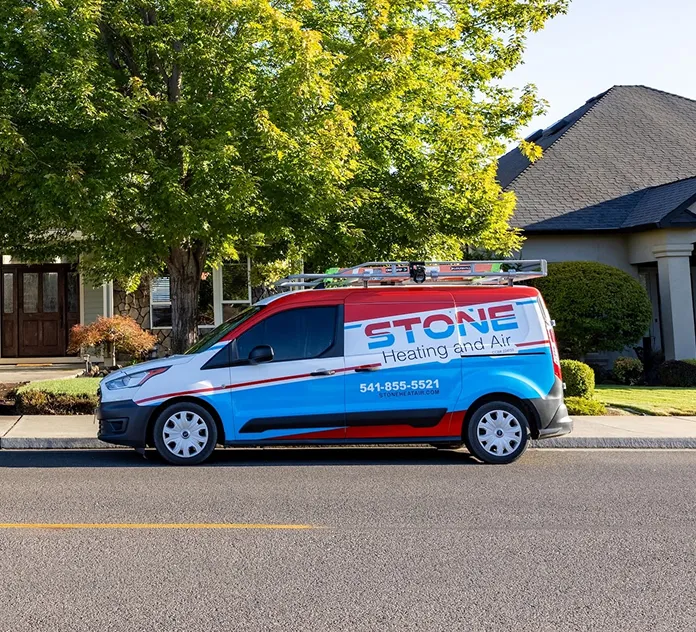
When you request emergency service, the primary objective is to stabilize the environment within your home and identify the root cause of the failure. Unlike a standard maintenance visit, an emergency call focuses on immediate problem-solving. You can expect a technician to arrive with a fully stocked vehicle, ready to address common failures involving ignition systems, refrigerant leaks, or electrical components.
The scope of work begins with a comprehensive safety check. If the issue involves a furnace, technicians verify that there are no carbon monoxide leaks or gas line breaches. For air conditioning systems, the focus shifts to electrical hazards and refrigerant containment. The goal is not just to patch the problem but to ensure the system can operate safely without posing a risk to the household.
- System Diagnostics: Technicians use multimeters, manometers, and pressure gauges to read the system’s vital signs. This data pinpoints exactly where the breakdown occurred, whether it is a failed capacitor, a cracked heat exchanger, or a seized motor.
- Transparent Reporting: Once the issue is identified, you receive a clear explanation of the mechanical failure. You will understand exactly what part failed, why it failed, and what is required to fix it.
- Immediate Action Plan: The technician provides a direct path forward. This includes availability of parts, the estimated time for repair, and a breakdown of the necessary labor.
.webp)
How Our Emergency Repair Process Works
Navigating an HVAC breakdown is stressful, but the repair process follows a structured, logical sequence designed to minimize downtime. We strip away the complexity and focus on getting your system back online.
- Initial Dispatch and Arrival: Upon receiving your request, dispatch prioritizes your call based on urgency and location within Central Point and surrounding areas. A technician is routed to your property with the necessary equipment to handle the make and model of your specific unit.
- On-Site Assessment: The technician conducts a thorough evaluation of the thermostat, the indoor unit, and the outdoor condenser or compressor. This visual and mechanical inspection isolates the variable causing the malfunction.
- Proposal and Approval: Before any work begins, you are presented with the findings. You remain in control of the decision-making process, approving the repair strategy that aligns with your immediate needs and budget.
- Execution of Repairs: The technician performs the necessary mechanical or electrical work. This may involve soldering lines, replacing circuit boards, unblocking condensate drains, or calibrating gas valves.
- System Verification: After the repair is complete, the system is not merely turned on; it is tested under load. The technician ensures that airflow, temperature differentials, and cycle times meet manufacturer specifications before leaving the premises.
Critical Signs You Need Emergency Attention vs. Standard Repair
Not every HVAC noise or glitch constitutes a midnight emergency, but recognizing the difference between a nuisance and a hazard is vital for home safety. Standard repairs can often wait for normal business hours, but specific symptoms indicate a system failure that requires immediate professional attention to prevent catastrophic damage or health risks.
Electrical Burning Smells
If you detect an acrid, plastic-burning odor coming from your vents, turn the system off immediately. This often indicates melting wire insulation or an overheating motor. Continuing to run the system presents a significant fire hazard.
Gas Odors
The smell of sulfur or rotten eggs near your furnace is a clear sign of a gas leak. This is a life-safety emergency. Evacuate the home, contact the utility company, and call for emergency HVAC service to identify and repair the breach in the fuel line or heat exchanger.
Total Loss of Heat in Freezing Temperatures
In our region, winter nights can be dangerous for plumbing and personal health if the heat fails completely. If the indoor temperature is dropping rapidly and the system refuses to engage, this is an emergency that requires immediate dispatch to prevent frozen pipes.
Loud Screeching or Banging
While a light rattle might be a loose screw, a loud screeching noise usually indicates a metal-on-metal grind within the blower motor or compressor. Running the unit in this state will likely result in the permanent destruction of expensive components.
Repair or Replace: Making the Right Decision Under Pressure
One of the most difficult decisions homeowners face during an emergency service call is whether to invest in a repair or opt for a full system replacement. This decision should be based on data and financial logic, not just the urgency of the moment. Stone Heating and Air provides the objective metrics you need to make this choice confidently.
The 50% Rule
Industry standards suggest that if the cost of the repair approaches 50% of the value of a new system, replacement is the more financially sound option. Putting expensive parts into a depreciating asset often leads to diminishing returns.
System Age and R-22 Refrigerant
If your air conditioner or heat pump is over 10 to 15 years old, it may utilize R-22 (Freon), a refrigerant that has been phased out. Repairing a leak in an R-22 system is often prohibitively expensive due to the scarcity of the refrigerant. In these cases, upgrading to a modern, high-efficiency system is usually the only viable long-term solution.
Frequency of Breakdowns
If you have required emergency service more than once in the past two years, the system is signaling the end of its service life. Continual repairs add up quickly, often exceeding the monthly cost of financing a new, warrantied unit that offers reliability and lower energy bills.
Safety Concerns
A cracked heat exchanger in a furnace is a non-negotiable replacement scenario in most instances. Because this failure mode allows carbon monoxide to mix with the breathable air in your home, repairing the specific crack is rarely approved due to safety codes. Replacement ensures the safety of the household.
Local Factors Affecting HVAC Performance
Operating heating and cooling equipment in Central Point requires an understanding of the specific regional stresses placed on these systems. The local climate creates a unique duty cycle that differs from other parts of the country, influencing both the likelihood of emergencies and the type of maintenance required.
- Extreme Temperature Shifts: We experience significant temperature swings, often within a 24-hour period. It is not uncommon to run the heat in the morning and the AC in the afternoon during shoulder seasons. This constant switching places immense stress on the reversing valve in heat pumps and the control boards of HVAC systems, leading to higher failure rates if not properly maintained.
- Wildfire Smoke and Air Quality: During fire season, HVAC filters become clogged much faster than the manufacturer's recommended 90-day cycle. clogged filters restrict airflow, causing evaporator coils to freeze or furnace limit switches to trip, resulting in emergency shutdowns.
- Freezing Fog and Defrost Cycles: Winters here bring freezing fog that can coat outdoor heat pump units in ice. If the unit’s defrost board fails, the system effectively turns into a block of ice, stopping heat transfer and leaving the home cold. Verifying the defrost operation is critical for this region.
Permits and Utility Requirements
When significant repairs or replacements are necessary, adherence to local building codes is mandatory. Modifying gas lines, changing electrical circuits, or replacing units requires compliance with local regulations to ensure the work passes inspection and maintains home insurance validity. Professional technicians ensure all emergency work remains code-compliant, regardless of the time of day.
Why Choose Professional Licensed Technicians
In the age of online tutorials, the temptation to attempt DIY repairs during an HVAC emergency can be strong. However, modern heating and cooling systems are complex machines integrating high-voltage electricity, combustible fuels, and high-pressure refrigerants. Professional intervention is necessary to protect the integrity of the system and the safety of the structure.
- Warranty Preservation: Most HVAC manufacturers strictly void warranties if the equipment is serviced by unlicensed individuals. An emergency repair performed by a professional ensures that your parts and labor warranties remain intact, protecting you from future costs.
- Accurate Diagnostics: A professional technician does not guess. Using advanced diagnostic gear, they identify the root cause rather than treating symptoms. This prevents the "parts cannon" approach, where homeowners replace multiple working parts in hopes of fixing the issue, ultimately spending more than a professional service call would have cost.
- Safety Protocols: Handling 240-volt electrical circuits or pressurized refrigerant lines carries inherent risks. Licensed professionals are trained in lockout/tagout procedures and safe handling of hazardous materials. This expertise prevents electrical fires, refrigerant burns, and other onsite accidents.
Restore Your System Functionality Today
A broken HVAC system disrupts your life and threatens your home environment. Do not let a mechanical failure dictate your comfort level. You need a resolution that is fast, technical, and permanent. Stone Heating and Air is prepared to handle the most demanding emergency repairs with the professionalism you expect.
Take control of your home’s climate. Contact us immediately to schedule your emergency service and restore reliability to your heating and cooling system.
- Book Expert Service Or Contact Us