

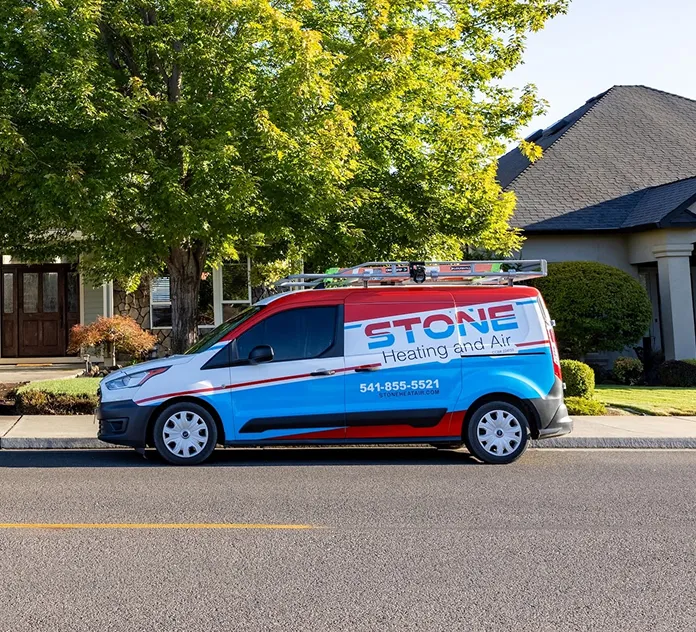

Getting a new HVAC system installed correctly is the difference between 15 years of reliable comfort and years of problems, callbacks, and wasted energy. Improper sizing, bad ductwork connections, and rushed installs plague the industry. Stone Heating & Air provides professional HVAC installation in Ashland, OR, with precision sizing and expert craftsmanship.
We build your comfort system to perform for the long haul:
- Full load calculations for accurate heating and cooling system sizing.
- Expert installation of furnaces, air conditioners, and heat pumps.
- Ductwork design, modification, and connection verification.
- Complete system testing before we consider the job finished. Call Stone Heating & Air at (541) 855-5521 or schedule your free estimate in Ashland today.
What You Get With a Professional Installation
Investing in a new HVAC system is more than just swapping out a metal box; it is an upgrade to your home’s entire thermal envelope. When you secure an installation date, you are purchasing a comprehensive service that includes system design, equipment procurement, labor, and safety verifications. The scope of work begins well before the technicians arrive at your property. A proper installation starts with a load calculation. This technical assessment measures your home's square footage, insulation levels, window orientation, and local climate data to determine the exact British Thermal Unit (BTU) capacity required.
Undersized units run constantly without reaching the set temperature, while oversized units short-cycle, leading to humidity issues and premature wear. Professional installation ensures the equipment selected matches these precise calculations. The physical installation includes the removal and environmentally safe disposal of existing equipment. This involves recovering old refrigerant according to EPA standards to prevent environmental contamination.
The package includes all necessary transition materials. This often covers a new condenser pad, electrical disconnect boxes, whip lines, and condensate drain piping. If the existing ductwork requires modification to fit the new air handler or furnace, the fabrication of transition plenums is included in the service. The goal is to provide a turnkey solution where the homeowner does not need to source parts or manage subcontractors. By the time the crew leaves, the system is fully operational, the workspace is swept clean, and the old unit has been hauled away for recycling.
Comprehensive Installation Process Steps
A structured approach to HVAC installation minimizes downtime and ensures the longevity of the system. While every home presents unique structural challenges, the workflow follows a strict standard of operations to guarantee safety and performance:
- Site Preparation and Protection: Technicians begin by laying down drop cloths and floor protection to safeguard your home during the movement of heavy equipment. They disconnect the gas or electrical supply to the existing unit to ensure a safe working environment.
- System Removal: The old condenser, furnace, or heat pump is disconnected. Refrigerant is pumped down into a recovery cylinder. The old unit is carefully maneuvered out of the mechanical room, attic, or crawlspace.
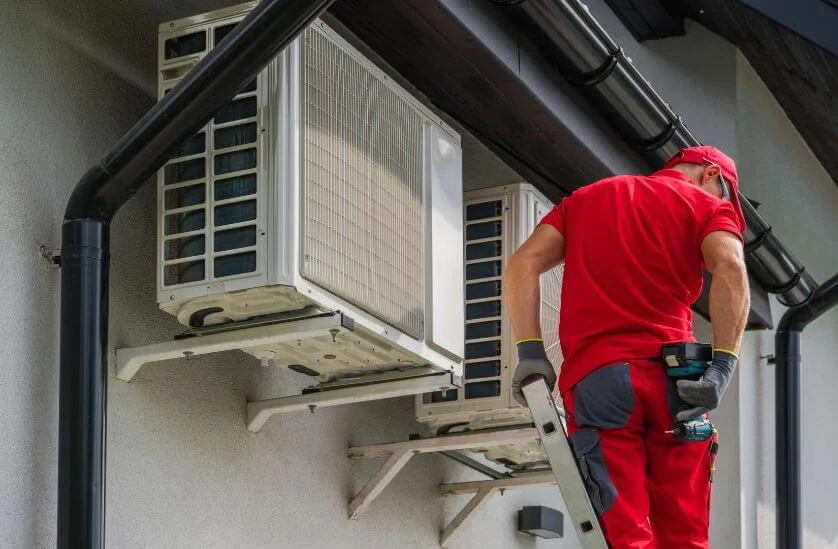
- Equipment Positioning: The new air handler or furnace is leveled and secured in place. Vibration isolation pads may be used to reduce operating noise. For outdoor units, a new composite or concrete pad is leveled to ensure proper drainage and operation.
- Ductwork and Airflow Connection: The supply and return plenums are sealed to the new unit. Technicians use mastic sealant or metal tape to prevent air leaks, which are a primary cause of energy inefficiency. If a new filter rack or air purification system is part of the order, it is integrated at this stage.
- Utility Connections: Stone Heating and Air technicians connect the line set (copper pipes carrying refrigerant) between the indoor and outdoor units. These lines are brazed with nitrogen flowing through them to prevent oxidation inside the pipes. High-voltage electrical wiring is connected to the disconnect box, and low-voltage wiring is run to the thermostat.
- Vacuum and Charge: Once the lines are sealed, a vacuum pump removes all moisture and air from the refrigeration circuit. This step is critical; moisture left in the lines causes acid formation and compressor failure. After holding a vacuum to verify no leaks exist, the system is charged with the manufacturer-specified amount of refrigerant.
- Startup and Commissioning: The system is powered on. Technicians measure static pressure, temperature split (the difference between supply and return air temperature), and amperage draw on motors. These benchmarks confirm the system is running within factory specifications.
Determining When Replacement Beats Repair
Homeowners often face the difficult choice between repairing an aging unit or investing in a modern replacement. Making the right financial decision requires analyzing the age of the system, the frequency of breakdowns, and current efficiency standards:
- The 50% Rule: A common industry benchmark is the 50% rule. If the cost of the repair approaches or exceeds 50% of the value of a new system, replacement is the more distinct financial choice. Sinking money into a compressor or heat exchanger on an old unit rarely yields a return on investment.
- System Age vs. Life Expectancy: Most air conditioners and heat pumps last between 10 and 15 years, while furnaces may last 15 to 20 years. If your equipment is exceeding this age range and requires a significant repair, parts availability becomes a challenge. Newer models also utilize different refrigerants; older R-22 systems are now obsolete, making refrigerant recharge costs exorbitant.
- Energy Efficiency Gains: HVAC technology has advanced rapidly. Modern systems have higher SEER2 (Seasonal Energy Efficiency Ratio) and HSPF2 (Heating Seasonal Performance Factor) ratings. Replacing a 10-SEER unit from 2005 with a modern 16-SEER2 system can reduce cooling costs significantly. In a climate like Ashland, where summers are warm and winters get chilly, these efficiency gains compound on monthly utility bills throughout the year.
- Comfort and Performance Issues: If the current system struggles to maintain consistent temperatures, leaves hot or cold spots in different rooms, or is excessively noisy, repair will not solve the underlying design or capacity issues. Replacement allows for the installation of two-stage or variable-speed equipment that provides superior humidity control and quieter operation.
Navigating Local Climate and Regulatory Requirements
Installing HVAC equipment involves adherence to regional building codes and an understanding of the local climate profile. In the Rogue Valley, specific environmental factors dictate how systems should be configured for maximum performance:
- Climate-Specific Needs: The local weather features warm, dry summers with highs often reaching the 90s, and cool, wet winters with lows dipping into the 20s. This variation makes heat pumps an incredibly popular and efficient choice for the region. A heat pump handles both heating and cooling, eliminating the need for separate gas furnaces in many homes. However, dual-fuel systems (a heat pump paired with a gas furnace) provide a robust solution for when temperatures drop below freezing.
- Permitting and Inspections: Installation work requires mechanical and electrical permits. This is not optional; it ensures the safety of the installation and the home's occupants. The permitting process involves submitting plans to the local building department. Once the installation is complete, a city inspector visits the site to verify that gas lines are pressure-tested, electrical connections meet code, and venting is properly cleared from combustible materials. Professional installers manage this entire administrative process, including scheduling the final inspection.
- Air Quality Considerations: The region is prone to smoke during late summer due to wildfire activity. This seasonality influences installation choices. Homeowners frequently request high-efficiency filtration media cabinets (MERV 13 or higher) to handle particulate matter. Ensuring the new HVAC system has a blower motor powerful enough to push air through these dense filters is a critical design consideration during installation.
- Incentives and Rebates: Various programs exist to encourage the adoption of high-efficiency equipment. While specific amounts change, options often include federal tax credits for high-efficiency heat pumps and utility rebates from providers like Pacific Power or Avista. To qualify, the installed equipment must meet specific AHRI (Air-Conditioning, Heating, and Refrigeration Institute) match requirements. Installers provide the necessary certificates and invoices to help homeowners claim these benefits.
Technical Precision and Operational Standards
Selecting the right contractor determines 70% of the system’s ultimate efficiency and lifespan. The best equipment installed poorly will fail prematurely. High-quality installation focuses on technical precision that goes beyond simply connecting wires and pipes:
- Airflow Balancing: Simply turning the unit on is not enough. Technicians must verify that the airflow (measured in CFM - Cubic Feet per Minute) matches the tonnage of the unit. Restricted airflow kills compressors and cracks heat exchangers. Adjustments to blower speeds and dampers ensure the system breathes correctly.
- Refrigerant Charge Accuracy: The refrigerant level must be precise. An undercharged system freezes up; an overcharged system runs high pressures that damage valves. Digital gauges are used to dial in the charge to the exact subcooling and superheat targets specified by the manufacturer.
- Safety Verifications: For gas-fired equipment, safety is paramount. Technicians test for gas leaks at all unions and verify that the flue gases are venting properly to the outdoors. Carbon monoxide detectors are often checked or installed as part of the safety protocol.
- Warranty Registration: Manufacturers offer base warranties (usually 5 years), but these often extend to 10 years when the equipment is properly registered within a specific window after installation. A professional service provider handles this registration to ensure the full coverage is active.
Securing Your Home Comfort
A new heating and cooling system provides immediate relief from inconsistent temperatures and high energy bills. It transforms the indoor environment, offering quiet operation, improved air filtration, and reliable performance regardless of the forecast. Whether replacing a failing unit or upgrading for efficiency, the focus remains on technical excellence and long-term reliability.
Stone Heating and Air delivers precise, code-compliant installations tailored to the specific needs of homes in Ashland. Do not wait for a total system failure during a heat wave or a freeze. Secure your installation date now to guarantee year-round comfort.
- Book Expert Service Or Contact Us