

If your family deals with constant allergies, stuffy rooms, or lingering odors that won't go away, the problem is likely your indoor air — not the outdoors. Dust, pet dander, mold spores, and chemicals circulate through your HVAC system every day, and standard filters can't catch everything. Stone Heating & Air provides indoor air quality solutions in Williams, OR, to create a cleaner, healthier home environment.
Breathe easier with professional air quality improvements:
- Whole-home air purification systems integrated with your HVAC.
- Advanced filtration upgrades including HEPA and activated carbon.
- Humidity control to reduce mold growth and improve comfort.
- Air quality testing to identify specific pollutants in your home. Call Stone Heating & Air at (541) 855-5521 for indoor air quality service in Williams today.
What Causes Poor Indoor Air Quality?
Indoor air quality (IAQ) is often significantly worse than outdoor air quality due to the accumulation of contaminants in enclosed spaces. In regions with distinct seasonal shifts, such as the cold winters and monsoon summers experienced here, homes are kept tightly sealed to maintain thermal efficiency. While this preserves energy, it prevents the natural exchange of fresh air, allowing microscopic particles and gases to build up to hazardous levels. Understanding the specific sources of these pollutants is the first step toward remediation.
Volatile Organic Compounds (VOCs) are among the most pervasive indoor pollutants. These gases are emitted from everyday household items, including cleaning agents, paints, varnishes, and even carpeting or upholstery. Over time, off-gassing from these materials contributes to respiratory irritation and long-term health risks. Without active ventilation or purification strategies, VOCs remain trapped in the living space, recirculating through the HVAC system continuously.
Biological growth poses another significant threat, particularly during periods of fluctuating humidity. The local monsoon season brings moisture that can infiltrate crawl spaces, basements, and ductwork. When excess moisture meets organic material, mold and mildew spores proliferate. These spores become airborne and are distributed by the heating and cooling system, triggering allergic reactions and asthma attacks. Conversely, extremely dry conditions during winter can dry out mucous membranes, making the body more susceptible to viruses and bacteria that thrive in low-humidity environments.
Particulate matter, including dust, pollen, and pet dander, creates a constant physical irritant for occupants. Standard fiberglass filters are designed primarily to protect HVAC equipment, not human lungs. Consequently, microscopic particles bypass basic filtration and settle on furniture, bedding, and lung tissue. In high-elevation areas, where the air is thinner, ensuring that the air you breathe is free from physical particulate strain is essential for maintaining respiratory health.
Combustion byproducts are a critical safety concern in homes utilizing gas furnaces, stoves, or fireplaces. Carbon monoxide and nitrogen dioxide can leak into the living space if venting systems are compromised or if negative pressure draws exhaust back into the home. Professional IAQ management involves ensuring that all combustion appliances are venting correctly and that air change rates are sufficient to dilute any accidental leakage.
Our Air Quality Services Explained
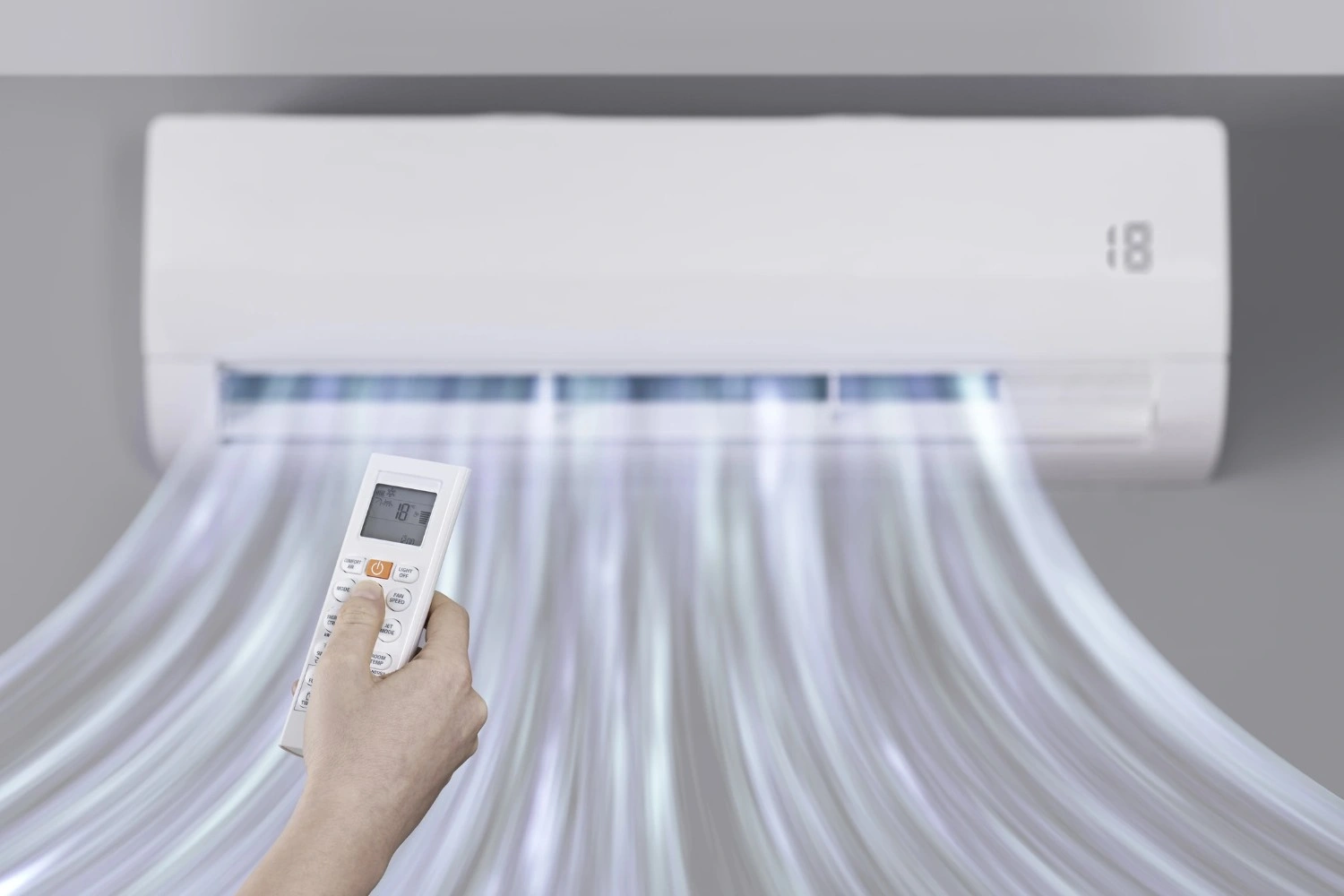
We provide a comprehensive suite of indoor air quality solutions designed to integrate seamlessly with your existing HVAC infrastructure. Our approach goes beyond simple filtration; we engineer systems that actively clean, purify, and balance the air in your home. By addressing the three pillars of IAQ—filtration, purification, and humidity control—we create a safer indoor environment.
Whole-Home Air Filtration Systems
Standard filters often miss the smallest, most dangerous particles. We install high-efficiency media air cleaners that capture distinct contaminants ranging from visible dust to microscopic allergens.
- High MERV-rated filters catch pollen, bacteria, and smoke.
- Deep-pleated media filters increase surface area for better airflow and longer lifespan.
- Systems are installed directly into the return air duct to treat 100% of the air passing through the handler.
Ultraviolet (UV) Germicidal Lights
Filtration captures solids, but it does not eliminate biological threats. UV air purifiers use specific wavelengths of light to neutralize living organisms.
- Coil-sterilization lights prevent mold growth on damp cooling coils, improving efficiency and preventing spore dispersal.
- Air-sterilization lights treat the moving airstream, deactivating viruses and bacteria before they circulate.
- This technology replicates the purifying power of sunlight within your ductwork.
Air Purification and Ionization
For contaminants that are too small for filters and not biological in nature, such as VOCs and odors, active air purification is necessary.
- Ionization systems release charged ions that attach to airborne particles, making them larger and easier for filters to catch.
- Carbon-based purifiers absorb chemical odors and gases, neutralizing cooking smells and pet odors.
- These systems work continuously to scrub the air without restricting airflow.
Humidity Control Solutions
Balancing moisture is critical for both health and home preservation. We install whole-home humidifiers and dehumidifiers that work automatically with your thermostat.
- Steam or bypass humidifiers add necessary moisture during dry winters to protect wood furniture and soothe respiratory passages.
- Whole-home dehumidifiers remove excess moisture during the humid monsoon season to prevent mold growth and reduce the load on your air conditioner.
- Balanced humidity levels between 30% and 50% inhibit the spread of most airborne viruses.
Ventilation Systems
Modern energy-efficient homes require mechanical ventilation to introduce fresh air without losing thermal energy.
- Heat Recovery Ventilators (HRV) exchange stale indoor air for fresh outdoor air while transferring heat to minimize energy loss.
- Energy Recovery Ventilators (ERV) transfer both heat and moisture, ideal for balancing the local climate extremes.
- These systems ensure a constant supply of oxygenated air, reducing carbon dioxide levels and flushing out accumulated indoor pollutants.
Step-by-Step Guide to Improving Your Indoor Air
Improving the air quality in your home is a structured process that begins with accurate diagnosis and ends with verified performance. We do not guess at the problem; we use data to drive our recommendations.
- Initial Consultation and Assessment: The process begins with a thorough evaluation of your home’s current environment. Technicians inspect the HVAC system, ductwork integrity, and potential pollution sources. We discuss specific symptoms you may be experiencing, such as localized allergies or lingering odors.
- Air Quality Testing: Using advanced monitoring equipment, we measure particulate levels, VOC concentrations, relative humidity, and carbon dioxide levels. This data provides a baseline to determine exactly which pollutants are present and at what concentrations.
- Custom Solution Design: Based on the testing results, we design a tailored strategy. If humidity is the primary issue, we focus on moisture control. If allergens are the concern, we prioritize filtration and ionization. We present a clear plan outlining the equipment recommended and the expected outcome.
- Professional Installation: Our installation team integrates the new equipment into your existing heating and cooling system. This involves modifying ductwork to accommodate media cabinets, wiring humidifiers to the central control board, and installing UV lights in the optimal position for maximum exposure. We ensure all connections are sealed and code-compliant — view our gallery.
- System Calibration and Testing: Once installed, the equipment is not just turned on; it is calibrated. We adjust blower speeds to account for new filters, set humidistats to the appropriate levels for the current season, and verify that air exchange rates meet design specifications.
- Final Verification: We re-test the air quality to demonstrate the immediate improvement. We walk you through the operation of the new system, explaining maintenance requirements such as filter changes or UV bulb replacements to ensure long-term performance.
When to Opt for System Upgrades or Repairs
Deciding between repairing an existing add-on component or upgrading to a modern, integrated IAQ system depends on the age of the equipment and the severity of the air quality issues — visit our FAQs. Many older homes in Williams rely on portable units or basic 1-inch filters that are insufficient for modern standards.
Repair is viable when:
- The existing humidifier or purifier is less than five years old and parts are readily available.
- The issue is minor, such as a burnt-out UV bulb or a clogged drain line.
- The current HVAC system performs well, and airflow is not restricted by the IAQ devices.
- You are satisfied with the current level of air quality but need to restore functionality to a specific component.
System replacement or upgrade is necessary when:
- Persistent health symptoms continue despite the operation of current equipment.
- The HVAC blower motor cannot handle the static pressure of high-efficiency filters, requiring a system redesign or a bypass installation.
- You notice visible mold growth in ducts or on vents, indicating that the current strategy has failed to control biological contaminants.
- The home has undergone renovations that tightened the building envelope, requiring the addition of mechanical ventilation (HRV/ERV) that was not previously needed.
- Energy bills have spiked due to inefficient, standalone units running constantly; integrated systems are generally more energy-efficient.
- The equipment utilizes obsolete technology or refrigerants that are no longer supported or environmentally compliant.
Understanding Williams’ Environmental Standards
The local environment presents unique challenges that standard "off-the-shelf" HVAC solutions often fail to address. Located at a higher elevation, the air density and atmospheric pressure differ from sea-level regions, which affects how air moves through ventilation systems and how combustion appliances operate.
High Elevation and Dry Air
The combination of altitude and cold winters creates exceptionally dry conditions. Without intervention, indoor relative humidity can drop to single digits. This damages hardwood floors, cracks drywall, and significantly impacts respiratory health. Our solutions are sized specifically to introduce enough moisture to combat this rapid drying effect without causing condensation on windows.
Monsoon Season Humidity
Conversely, the late summer monsoon season brings a sudden influx of humidity. Standard air conditioners are designed to cool air, not necessarily to dehumidify it effectively under high-load conditions. Dedicated dehumidification is often required to keep the indoor "feels like" temperature comfortable and to prevent the stickiness associated with high indoor humidity.
Particulate and Wildfire Smoke
The surrounding forested areas are prone to seasonal pollen releases and, increasingly, smoke from regional wildfires. During these events, outdoor air quality drops to hazardous levels. Homes must be positively pressurized with filtered air to prevent smoke infiltration. We utilize filtration technologies capable of capturing smoke particles, which are significantly smaller than standard dust, ensuring your home remains a sanctuary even when outdoor air is compromised.
Permits and Safety Codes
Modifying HVAC systems to add ventilation or electrical components requires adherence to local building codes. This includes proper wiring for UV systems and plumbing for humidifiers. We handle all necessary compliance checks to ensure that your system is safe, legal, and covered by homeowner insurance policies.
What Makes Us Different
Choosing the right partner for indoor air quality is about more than buying a product; it is about securing a healthy environment for your family. Stone Heating and Air focuses on building science rather than high-pressure sales. We understand that every home breathes differently.
We utilize industrial-grade diagnostic tools to visualize the air you breathe. Instead of guessing, we use particle counters and hygrometers to show you exactly what is happening in your home before and after our work. Our technicians are trained not just in mechanics, but in the principles of airflow dynamics and psychrometrics—the study of moist air.
We prioritize solutions that offer low maintenance and high impact. We select equipment with long service intervals and non-proprietary consumables whenever possible, ensuring you aren't locked into expensive maintenance contracts. Our focus is on the long-term health of the home and its occupants.
Furthermore, we approach IAQ as a holistic system. We do not simply bolt on a filter and leave; we check static pressure to ensure your furnace doesn't overheat, we seal ductwork to prevent attic dust from entering the stream, and we verify that your ventilation strategy doesn't negatively impact your energy bills. If you are ready to breathe easier and protect your family from indoor pollutants, take the next step. Contact us today to discuss your indoor air quality options.
Protect Your Family with Cleaner, Healthier Air
Your home’s air quality affects your family’s health and comfort every day. Stone Heating and Air offers comprehensive indoor air quality solutions in Williams, OR, designed to detect, neutralize, and remove airborne contaminants effectively. From advanced filtration and UV sterilization to humidity control and ventilation upgrades, we provide tailored solutions that integrate seamlessly with your existing HVAC system. Don’t wait for symptoms like allergies, headaches, or respiratory irritation to worsen—schedule a professional IAQ assessment today and take the first step toward a healthier living environment.
- Book Expert Service Or Contact Us