

When your heater stops working — no heat, cold air from vents, or a system that won't stay on — every hour without warmth makes your home more uncomfortable and your pipes more vulnerable. Heating failures demand fast, accurate repairs, not trial and error. Stone Heating & Air provides reliable heating repair in Williams, OR, to restore warmth quickly and safely.
We diagnose the real problem and fix it right:
- Furnace and heat pump troubleshooting for all major brands.
- Ignitor, flame sensor, and blower motor replacement.
- Gas valve and thermocouple inspection and repair.
- Emergency heating repair when you can't afford to wait. Call Stone Heating & Air at (541) 855-5521 or schedule heating repair in Williams today.
Comprehensive Diagnostics and Immediate Repair Protocols
When you request service, the priority is to stabilize your home’s temperature and assess the integrity of your heating unit. A technician does not simply guess at the problem; they utilize advanced diagnostic tools to measure system performance against manufacturer specifications. This approach ensures that the repair addresses the actual mechanical or electrical failure rather than just the symptoms.
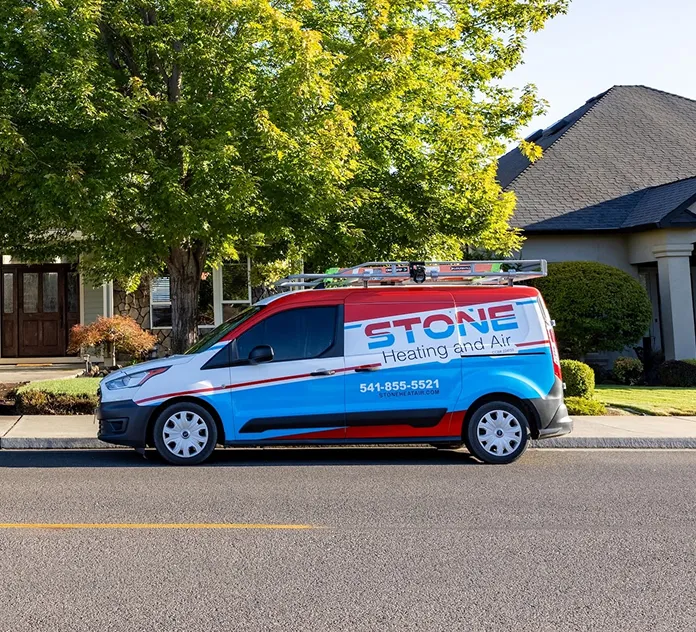
Stone Heating and Air approaches every service call with a fully stocked vehicle, carrying the most common parts required to get a system running again in a single visit. The scope of repair covers the entire heating envelope of the unit. This includes checking the ignition system, verifying airflow, inspecting the heat exchanger for dangerous cracks, and ensuring the thermostat is communicating correctly with the control board.
Common issues addressed during a service visit often include:
- Ignition Failures: For gas furnaces, a failing hot surface ignitor or a dirty flame sensor will prevent the burners from lighting. We clean or replace these components to ensure reliable startup.
- Blower Motor Malfunctions: If the motor that circulates air fails, heat cannot move through your ductwork. We test capacitors and motor windings to determine if a replacement or adjustment is necessary.
- Thermostat Calibration: Incorrect readings can cause the system to run too long or not enough. We verify calibration to ensure your set temperature matches the actual room temperature.
- Refrigerant Leaks: In heat pumps, low refrigerant levels reduce heating capacity and can damage the compressor. We locate leaks, repair the line, and recharge the system to factory specifications.
You receive a detailed report of the findings. If a component has failed, we explain why it happened and what steps are necessary to fix it. The goal is to leave you with a system that is not only working but is also safe and efficient.

Our Heating Repair Workflow: From Assessment to Heat Restoration
Restoring your heating system follows a structured, logical process designed to ensure safety and quality. We do not skip steps or cut corners. Every action taken is intended to verify that the system will operate reliably for the remainder of the season.
- Arrival and Site Protection: The technician arrives at your property within the scheduled window. Before entering, they prepare to protect your flooring and workspace. The area around the furnace or air handler is cleared to allow safe access to the equipment.
- Initial System Run and Safety Check: We attempt to run the system to hear how it sounds and observe its behavior. This initial test helps identify obvious issues like grinding noises, short cycling, or failure to ignite. Simultaneously, we check for gas leaks or electrical hazards to ensure the environment is safe for testing.
- In-Depth Component Testing: Using multimeters, manometers, and temperature probes, the technician tests specific components. We measure the voltage and amperage going to motors, check the gas pressure at the manifold, and verify that safety switches—such as the high-limit switch—are functioning correctly. This data pinpoints the exact point of failure.
- Presentation of Options: Once the problem is isolated, you receive a clear explanation of the issue. If there are multiple ways to address the problem—such as replacing a single part versus overhauling a sub-assembly—we present those options along with the associated costs. You authorize the work before we proceed.
- Execution of Repair: The technician performs the repair using OEM-grade parts. Wiring is tightened, components are secured, and any debris created during the repair is removed. We ensure that the installation of new parts meets all manufacturer guidelines to preserve any remaining warranty on the unit.
- Performance Validation: After the repair is complete, we do not simply leave. The system is run through a full heating cycle. We measure the temperature rise (the difference between the air entering and leaving the unit) to ensure it falls within the manufacturer’s specified range. This validates that the repair was successful and the unit is heating effectively.
Repair vs. Replacement: Making the Financially Sound Choice
Deciding whether to pour more money into an aging system or to invest in a new unit is a critical financial decision for homeowners. There comes a tipping point where repair costs yield diminishing returns, and continuing to fix an old unit becomes more expensive than replacing it. We help you navigate this decision using objective data and industry standards.
One common metric used is the "$5,000 Rule." Multiply the age of your equipment by the estimated cost of the repair. If the total exceeds $5,000, replacement is often the more prudent investment. For example, a 15-year-old furnace requiring a $400 repair (15 x 400 = 6,000) is a prime candidate for replacement, whereas a 5-year-old unit with the same repair cost (5 x 400 = 2,000) is worth fixing.
Consider these factors when evaluating the future of your heating system:
- Frequency of Breakdowns: If you have required repairs more than twice in the last two years, the system is likely entering the end of its reliable lifespan. Constant repairs add up quickly and often signal that major components are beginning to fail in succession.
- Energy Bill Spikes: As heating systems age, they lose efficiency. Parts wear out, friction increases in motors, and heat exchangers become fouled. If your energy bills in Williams are rising despite normal usage, the unit is working harder to provide the same amount of heat, costing you more each month.
- Safety Concerns: For gas furnaces, the integrity of the heat exchanger is non-negotiable. If a crack is found, the risk of carbon monoxide leaking into the home is real. In almost all cases, a cracked heat exchanger necessitates an immediate replacement of the unit or the heat exchanger itself, which is a costly repair often close to the price of a new unit.
- Part Availability: Older systems, particularly those over 15 or 20 years old, may utilize parts that are now obsolete or difficult to source. This can lead to extended downtimes while waiting for components, leaving your home without heat for longer periods.
Stone Heating and Air provides honest assessments regarding the viability of your current system. We will never pressure you into a replacement if a repair is a viable, long-term solution, but we will be transparent when a system has become a financial liability.
Navigating Local Climate Demands and Permitting in Southern Oregon
Operating a heating system in this region requires attention to specific environmental factors. The climate here is characterized by wet, chilly winters that can occasionally drop well below freezing. This specific weather pattern affects how heating systems, particularly heat pumps, operate.
- Heat Pump Defrost Cycles: In high-humidity environments where temperatures hover near freezing, heat pumps frequently enter "defrost mode" to melt ice accumulating on the outdoor coil. If your system is stuck in defrost mode or failing to defrost, it loses heating capacity. We check the defrost control boards and sensors to ensure your unit handles the local humidity correctly.
- Furnace Ventilation and Moisture: Gas furnaces require proper venting to expel combustion gases safely. In areas with heavy rainfall or snow, external vents can sometimes become obstructed. We inspect flue pipes and termination caps to ensure they are clear and that condensation is draining properly, preventing water damage to the internal components of the furnace.
- Permitting and Code Compliance: Heating repairs that involve altering gas lines, electrical circuits, or venting systems may require adherence to local building codes. While minor repairs usually do not require a permit, major component replacements or system overhauls must meet current safety standards. We ensure that all work performed complies with local regulations, including proper clearances for combustible materials and correct sizing of gas piping.
- Electrical Stability: Winter storms can lead to power fluctuations or outages. Modern heating equipment is sensitive to voltage spikes. We inspect the grounding and electrical connections of your system to ensure it can withstand minor fluctuations and recommend surge protection if necessary to safeguard expensive control boards.
Understanding these local nuances ensures that your repair holds up against the specific stressors your system faces throughout the winter season.
Why Homeowners Trust Us for Critical Heating Restoration
When your heat goes out, you need a service provider that combines technical proficiency with professional reliability. The difference between a quick fix and a lasting solution often lies in the depth of knowledge of the technician and the quality of the parts used. We differentiate ourselves through a commitment to technical excellence and operational integrity.
- Technical Certification and Training: Our team undergoes regular training to stay updated on the latest HVAC technologies, including variable-speed blowers, modulating gas valves, and smart thermostat integration. This ensures we can diagnose modern, high-efficiency systems just as effectively as older, conventional models.
- Warranty-Backed Service: We stand behind the quality of our workmanship. Repairs are backed by warranties that cover both parts and labor. If the specific repair fails within the warranty period, we will return to make it right at no additional cost to you. This aligns our incentives with yours: we want to fix it right the first time.
- Inventory and Logistics: Time is of the essence when the temperature drops. Our service vehicles are stocked with a wide array of universal and OEM-specific parts. This logistical preparation reduces the need for supply house runs and follow-up visits, allowing us to complete a high percentage of repairs on the initial call.
- Respect for Your Property: Heating repair is construction work performed inside a finished home. We treat your property with respect, using drop cloths and shoe covers to prevent dirt and debris from tracking into your living space. When the job is done, the workspace is cleaned, and the only evidence of our visit is the return of warm air.
Securing Your Comfort for the Season
A reliable heating system is the backbone of a comfortable home during the winter months. Ignoring minor issues or delaying necessary repairs can lead to catastrophic failures at the most inconvenient times. Whether you require a simple sensor cleaning or a major component replacement, the goal is to ensure your system operates safely, efficiently, and reliably.
Stone Heating and Air is ready to diagnose your heating challenges and provide the robust solutions necessary to keep your home warm. Do not let a malfunctioning heater compromise your safety or comfort this winter. Take action today to secure your home’s heating. Contact us now to schedule your repair service.
- Book Expert Service Or Contact Us