


When a winter storm or power grid failure knocks out your electricity, your home goes dark, your heating shuts down, and your refrigerator starts warming up. Relying on the utility company to restore power quickly is a gamble — especially in rural Southern Oregon. Stone Heating & Air provides professional whole-home generator installation in Williams, OR, for automatic backup power when the grid fails.
Never lose power to your home again:
- Precise load calculations to size your generator correctly.
- Automatic transfer switch installation for seamless switchover.
- Natural gas and propane fuel line connection and setup.
- Permitting, code compliance, and post-install testing included. Call Stone Heating & Air at (541) 855-5521 to schedule a generator consultation in Williams today.
Immediate Generator Installation Services
In Williams, power stability is not always guaranteed. Between the wet, stormy winters that can bring down power lines and the dry summers that may necessitate public safety power shutoffs to prevent wildfires, homeowners face distinct challenges. Relying on the grid alone leaves your household vulnerable to extended outages that can spoil food, disable medical devices, and cut off communication.
Stone Heating and Air provides comprehensive installation services designed to bridge the gap between grid failure and power restoration. A standby generator system is not merely a luxury item; it is a critical infrastructure component for modern homes. Unlike portable units that require manual setup, refueling, and extension cords running through windows, a professionally installed standby generator integrates directly with your home’s electrical panel. It detects an outage immediately and restores power automatically, often within seconds.
This service focuses on permanent solutions. We handle the complexities of load calculation, fuel sourcing, and electrical integration. Whether you reside near the town center or in the more rural outskirts of Williams, the goal is to provide a seamless transition to backup power so that your heating, cooling, and essential appliances remain operational regardless of external conditions.
Comprehensive Generator Installation: What Is Included
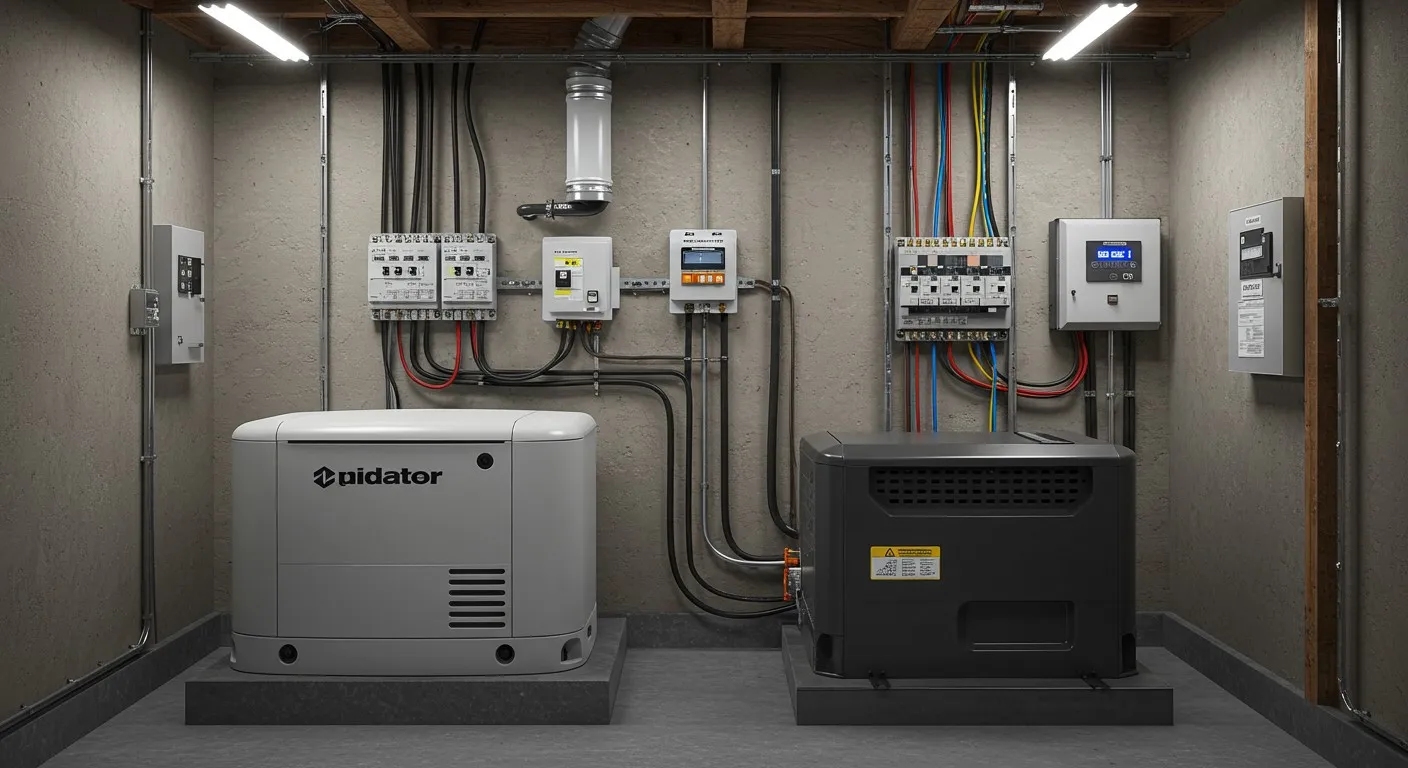
Securing your home against power failure involves more than simply dropping a unit on a concrete pad. A professional installation is a multi-faceted construction and electrical project that ensures the generator functions safely and complies with all local building codes. When you commission a standby generator installation, you are investing in a turnkey solution that covers every technical requirement.
Site Assessment and Load Calculation
The process begins with a rigorous evaluation of your electrical needs. Installing a generator that is too small will result in system overloads and tripped breakers, while a unit that is too large is inefficient and costly.
- Technicians perform a detailed load calculation to determine the starting and running wattage of your essential appliances.
- Considerations include hardwired systems like HVAC units, well pumps, and electric water heaters.
- The assessment identifies the optimal location for the unit, adhering to setbacks from windows, doors, and property lines to prevent exhaust fumes from entering the home.
The Automatic Transfer Switch (ATS)
The heart of a standby system is the Automatic Transfer Switch. This device monitors the utility power coming into the home.
- When the voltage drops below a certain threshold, the ATS signals the generator to start.
- Once the generator is running at proper speed, the ATS disconnects the utility line and connects the generator line.
- This isolates your home from the grid, preventing dangerous "backfeed" that could injure utility workers repairing lines down the street.
- The installation includes the mounting and hardwiring of this switch near your main breaker panel.
Fuel Source Connection
Standby generators require a continuous fuel supply to run for days or weeks if necessary.
- For homes with natural gas, the unit is plumbed directly into the existing gas line.
- For properties relying on liquid propane (LP), connections are made to existing tanks, or coordination is arranged for new tank installation.
- Technicians size the gas piping correctly to ensure the generator receives the necessary volume of fuel under full load.
Site Preparation and Unit Placement
Longevity depends on proper placement.
- A composite or concrete pad is leveled and installed to support the weight of the generator.
- Gravel beds may be laid to assist with drainage and prevent soil erosion around the unit.
- The physical installation ensures the unit is level, secure, and accessible for future maintenance — view our gallery.
The Generator Installation Process
Understanding the workflow helps homeowners prepare for the installation day. While the technical work is complex, the process is structured to be efficient and minimally invasive to your property.
- Consultation and Sizing: The first step involves a technical visit to measure electrical loads. This ensures the selected unit—whether a Generac, Kohler, or other reputable brand—can handle the surge currents required to start heavy motors like air conditioners or well pumps.
- Permitting and Utility Coordination: Before any physical work begins, necessary electrical and mechanical permits are secured. Coordination with the local utility company may be required to temporarily disconnect power at the meter during the final tie-in. This administrative step ensures the installation is legal and recognized by insurance providers.
- Site Preparation: Technicians clear the designated area. This involves leveling the ground and installing the mounting pad. If trenching is required for electrical conduit or gas piping, it is performed with care to minimize disruption to landscaping.
- Mechanical and Electrical Installation: The generator is bolted to the pad. Electricians run conduit from the generator to the transfer switch location. Gas fitters connect the fuel supply, installing necessary shut-off valves and sediment traps to protect the engine.
- Electrical Integration: The most critical phase involves wiring the Automatic Transfer Switch. The main electrical service is intercepted, and the switch is integrated into the system. Grounding rods are driven and connected to ensure the system is properly grounded according to the National Electrical Code (NEC).
- Activation and Load Testing: Once connected, the system is not simply left alone. Technicians simulate a power outage by cutting the main utility power. The generator is observed as it starts up, transfers power, and runs the house under load. Voltage and frequency are measured to ensure "clean" power that is safe for sensitive electronics.
- Owner Orientation: The final step is a walkthrough. You are shown how to check the status lights on the unit, how to lock the housing, and what the weekly self-test cycle sounds like.
When to Replace or Upgrade Your Backup Power System
Many homes in Williams may already have some form of backup power, such as an older portable generator or an aging standby unit. Knowing when to transition to a modern, permanently installed system is key to ensuring reliability when it matters most.
Limitations of Portable Generators
While portable units are useful for short-term, small-scale needs, they present significant drawbacks for whole-home protection.
- Manual Operation: You must be home to set them up, which offers no protection if you are away on vacation during a storm.
- Fuel Stability: Gasoline degrades over time, often leading to carburetor issues when the generator is needed most.
- Capacity Limits: Portables rarely have the output to run HVAC systems or electric water heaters simultaneously with other loads.
- Safety Risks: Running extension cords creates trip hazards, and improper placement can lead to carbon monoxide poisoning.
Aging Standby Units
If your property has a standby generator that is over 10 to 15 years old, reliability may be compromised.
- Parts Availability: As models become obsolete, sourcing replacement control boards or engine components becomes difficult and expensive.
- New Electrical Demands: If you have added central air conditioning, an EV charger, or a hot tub since the original generator was installed, the old unit may no longer be sufficient to power the house.
- Technology Advances: Modern generators are quieter, more fuel-efficient, and offer better power quality (lower Total Harmonic Distortion) than older models, making them safer for modern smart appliances and computers.
Cost of Repair vs. Replacement
When an older unit fails, the cost of major repairs—such as replacing a stator or a rotor—can approach a significant percentage of the cost of a new unit. Investing in a new installation resets the warranty coverage and ensures compatibility with current electrical codes.
Navigating Williams Regulations and Seasonality
Installing a permanent generator involves navigating specific regional factors inherent to Southern Oregon. Williams has a unique microclimate and infrastructure that influences how installations must be handled.
Weather Patterns and Installation Windows
- Winter Considerations: The rainy season in Williams can make trenching and excavation difficult. Scheduling installations during drier windows ensures that ground settling does not occur around the generator pad. Furthermore, having the system operational before the height of the winter storm season is crucial for avoiding freeze damage to pipes during outages.
- Summer Considerations: High temperatures and dry conditions heighten the risk of fire. Installation protocols strictly adhere to clearance requirements to ensure exhaust heat does not pose a combustion risk to dry vegetation or siding.
Permitting and Code Compliance
Compliance with local building codes is non-negotiable.
- Electrical Permits: Any modification to the main service panel requires a permit and inspection. This verifies that the wire sizing, grounding, and separation of neutral and ground bonds are correct.
- Gas Piping: For natural gas or propane connections, pressure tests are required to check for leaks before the system is energized.
- Noise Ordinances: While modern standby generators are enclosed in sound-attenuating housings, placement must still respect property line setbacks to minimize noise disturbance to neighbors.
Utility Requirements
Pacific Power and other local cooperatives have specific requirements regarding the placement of equipment relative to the electric meter. The installation process includes ensuring that the meter remains accessible and that the transfer switch installation meets utility disconnect standards.
Why Choose Professional Installation
The effectiveness of a backup power system is entirely dependent on the quality of the installation. A generator is a complex intersection of high-voltage electricity, pressurized fuel, and mechanical engine components. Attempting a DIY installation or relying on general handymen often leads to code violations, voided warranties, and unsafe operating conditions — read our reviews.
Specialized Expertise
Professional installers are trained specifically in power generation. They understand the nuances of load shedding, which allows a smaller, more fuel-efficient generator to manage a larger home by temporarily prioritizing high-demand appliances. This level of technical design saves money on fuel and equipment costs while maximizing comfort.
Warranty Protection
Manufacturers like Generac and Kohler have strict guidelines for installation. If a unit is not installed by a certified professional, the warranty may be voided. Professional installation ensures that the commissioning checklist is completed and filed with the manufacturer, activating your coverage.
Long-Term Reliability
Stone Heating and Air prioritizes systems that are built to last. By using the correct gauge of wire, proper gas regulators, and high-quality conduit, the risk of system failure is drastically reduced. The goal is a system that exercises itself weekly and performs flawlessly during an emergency, year after year.
Securing your home with a standby generator is an investment in safety, comfort, and peace of mind. Do not wait for the next major storm or grid failure to realize your home is unprepared. Take control of your power supply today. Secure your installation now to ensure your home remains powered through any outage.
Secure Your Home Against Unexpected Blackouts Today
Don’t leave your home or business vulnerable to unexpected power outages. Stone Heating and Air provides professional generator installation in Williams, OR, ensuring your property stays powered through storms, wildfires, and utility interruptions. Our certified technicians handle everything from site assessment and load calculation to full electrical integration and fuel connections, delivering a turnkey solution tailored to your needs. Protect your property, safeguard your family, and keep your daily life running smoothly—schedule your generator installation today.
- Book Expert Service Or Contact Us