


When a winter storm or power grid failure knocks out your electricity, your home goes dark, your heating shuts down, and your refrigerator starts warming up. Relying on the utility company to restore power quickly is a gamble — especially in rural Southern Oregon. Stone Heating & Air provides professional whole-home generator installation in White City, OR, for automatic backup power when the grid fails.
Never lose power to your home again:
- Precise load calculations to size your generator correctly.
- Automatic transfer switch installation for seamless switchover.
- Natural gas and propane fuel line connection and setup.
- Permitting, code compliance, and post-install testing included. Call Stone Heating & Air at (541) 855-5521 to schedule a generator consultation in White City today.
What You Get With a Professional Generator Installation
Choosing a standby generator is about more than just buying a piece of equipment; it is about securing a seamless integration into your home’s electrical system. When you move forward with an installation, you receive a comprehensive power solution tailored to the specific electrical load of your property. This process begins with a detailed load calculation. Experienced technicians assess the starting and running wattage of essential appliances—such as central air conditioners, sump pumps, water heaters, and refrigerators—to determine the precise generator size required.
In White City, where temperature fluctuations can demand heavy usage of heating or cooling systems, an undersized generator will fail to carry the load, while an oversized unit causes unnecessary fuel consumption. Professional installation ensures the unit matches your needs exactly. The service includes the physical positioning of the unit, preparation of a stable gravel or concrete pad to prevent sinking or vibration issues, and the critical coordination of fuel piping, whether your home utilizes natural gas or liquid propane.
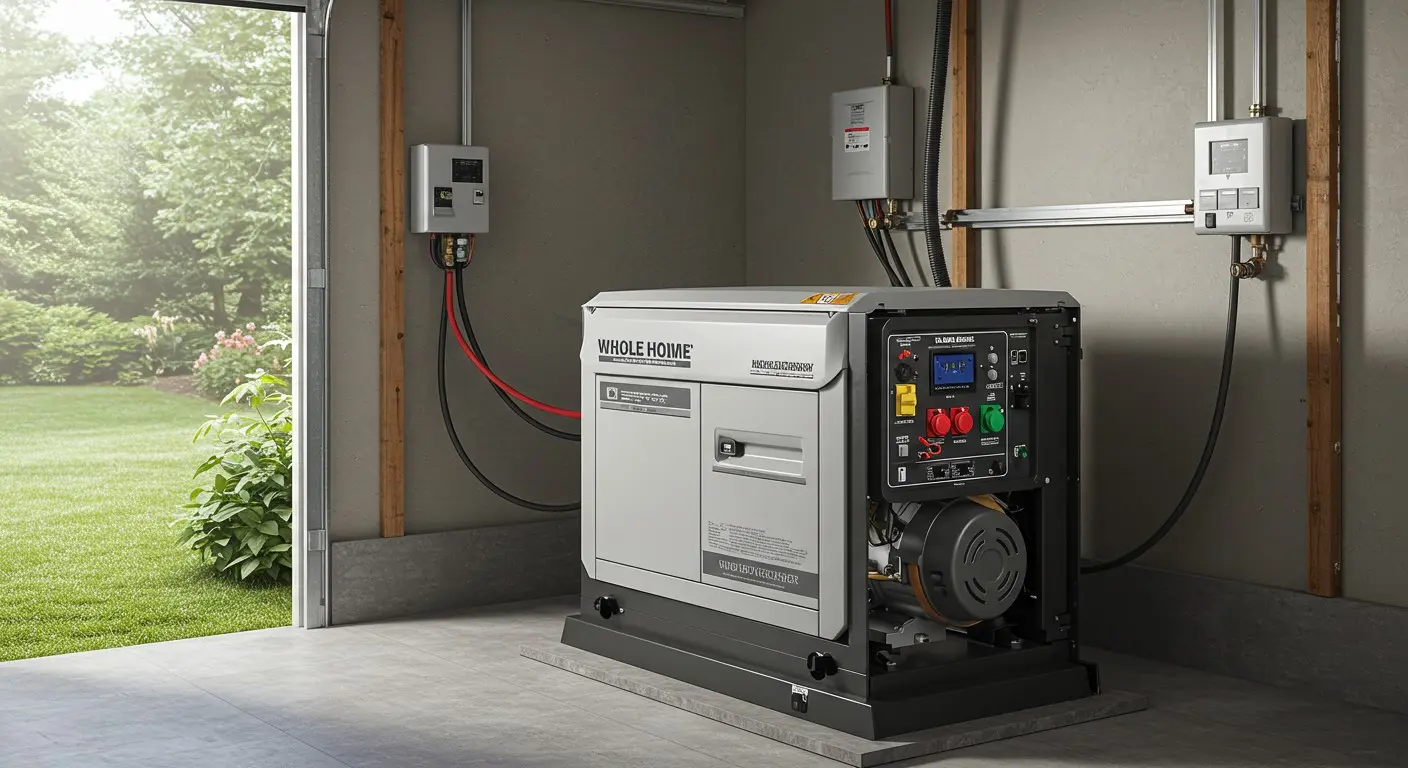
Furthermore, a turnkey installation includes the setup of the Automatic Transfer Switch (ATS). This device is the brain of your backup power system. It constantly monitors utility voltage and, upon detecting an interruption, signals the generator to start. Once the generator reaches operating speed, the ATS transfers the electrical load from the utility to the generator, all within seconds and without human intervention. This automation is vital for ensuring your home remains protected even when you are away.
How The Installation Process Protects Your Comfort and Safety
The installation of a permanent generator involves high-voltage electricity and combustible fuels, making a rigorous, step-by-step process essential for safety and compliance. We adhere to a strict protocol that safeguards your property and ensures the longevity of the equipment.
- Site Selection and Preparation: Technicians identify a location that meets clearance requirements from windows, doors, and vents to prevent carbon monoxide entry. This spot must also comply with local noise ordinances and property line setbacks.
- Pad Construction: A composite or concrete pad is leveled and installed. This elevates the generator off the ground, protecting it from standing water and ensuring proper airflow underneath the unit to prevent corrosion.
- Fuel Line Integration: For natural gas units, a plumber sizes and runs the appropriate piping from the meter to the generator. If propane is used, lines are run from the tank. This step involves pressure testing to ensure there are no leaks before the system is ever fired up.
- Electrical Interconnection: Electricians mount the transfer switch near your main breaker panel. Conduits are run between the generator and the switch, housing the power and control wires. This is the most technical phase, requiring precise wiring to ensure the generator phases match the home’s electrical system.
- System Commissioning: Once physical connections are complete, the system undergoes a full simulation. The main breaker is turned off to simulate a power outage, verifying that the generator detects the loss, starts, transfers power, and carries the home’s load.
- Cleanup and Walkthrough: The work area is cleared of debris. You receive a demonstration of the system indicators, maintenance keys, and an explanation of the weekly self-test schedule.
Determining When to Choose Whole-Home Installation Over Portable Solutions
Many homeowners initially consider portable generators due to lower upfront costs, but for permanent residences in White City, the limitations of portable units often outweigh the savings. It is critical to distinguish between temporary power and a permanent infrastructure solution. Portable generators require manual setup, often in the dark or during inclement weather. They require constant refueling with gasoline or diesel, which can be hazardous to store, and they necessitate running extension cords through open windows or doors, creating security and carbon monoxide risks.
A standby generator installation eliminates these variables. Because it is hardwired into your home’s electrical panel and fueled by a continuous supply (natural gas) or a large tank (propane), there is no manual labor involved during an outage. This is particularly critical for households with elderly residents, young children, or individuals relying on powered medical equipment.
Furthermore, a permanent installation adds tangible value to the property. It is considered a capital improvement, whereas a portable unit is personal property. From an operational standpoint, standby generators provide "cleaner" power with less total harmonic distortion (THD). Modern electronics, such as smart appliances, computers, and LED lighting, are sensitive to "dirty" power. A professionally installed standby unit provides utility-grade electricity that protects sensitive circuits from frying during operation, a common issue with cheaper portable alternatives.
Complying With Local Utility and Safety Standards
Installation of a backup power system is a regulated construction project. In White City and the surrounding regions, specific codes dictate how and where a generator can be installed. Skipping permits or ignoring codes can result in significant fines, voided home insurance policies, and dangerous operating conditions.
One of the most critical safety aspects is preventing "backfeed." This occurs when a generator feeds electricity back into the utility lines. If a line worker is repairing a downed wire nearby, backfeeding can electrocute them. Professional installation utilizes a break-before-make transfer switch that physically isolates your home from the grid before the generator connects. This guarantees the safety of utility workers and ensures your generator does not attempt to power the entire neighborhood, which would immediately overload and damage the unit.
Local regulations also cover:
- Gas Piping Sizing: Ensuring the gas meter and pipes can supply the volume of fuel required by the generator at full load without starving other appliances like the furnace or stove.
- Electrical Grounding: Establishing a proper grounding system to prevent electrical shocks and ensure the unit's sophisticated electronics function correctly.
- Clearance Distances: Maintaining specific distances from combustible materials and building openings to meet National Fire Protection Association (NFPA) standards.
Stone Heating and Air handles the permitting process, coordinating with local building departments and utility providers to ensure every aspect of the project passes inspection.
Ensuring Longevity With Proper Maintenance and Monitoring
A generator is an engine, similar to a car, and requires regular attention to perform when called upon. The installation is the first step, but ongoing reliability depends on a consistent maintenance schedule. Most standby generators are programmed to exercise themselves once a week for about 10 to 12 minutes. This keeps the engine lubricated and prevents seals from drying out.
However, mechanical upkeep goes beyond the weekly self-test. Professional servicing usually includes:
- Oil and Filter Changes: After the initial break-in period (usually the first 24-48 hours of run time) and annually thereafter.
- Firmware Updates: Modern generators utilize digital controllers that may require software updates to optimize performance.
- Battery Inspection: The generator relies on a 12-volt battery for starting. If this battery fails, the generator cannot turn over. Regular load testing of the battery is essential.
- Valve Adjustments: Over time, engine valves can loosen or tighten, affecting efficiency and starting capability.
Homeowners should also be aware of the difference between air-cooled and liquid-cooled units. Most standard residential generators (up to about 24kW) are air-cooled and rely on fans. Larger luxury homes or commercial properties may require liquid-cooled units (similar to a car radiator system), which have their own specific maintenance needs regarding coolant levels and hoses.
Why Reliable Backup Power Is Essential for This Region
The Pacific Northwest climate offers distinct challenges that make backup power more than a luxury. While the region is generally temperate, storm seasons bring high winds and heavy rains that frequently knock out power lines due to falling trees. In the winter, an outage means the loss of your heating system. Even gas furnaces require electricity to run the blower motor and ignition systems. Without a generator, a winter outage can lead to rapidly dropping indoor temperatures and the risk of frozen pipes.
Conversely, summer temperatures have been trending upward. Losing power during a heatwave renders air conditioning systems useless, creating dangerous conditions for vulnerable family members. A properly sized generator keeps the climate control systems operational regardless of the weather outside. Furthermore, in areas like White City where rural or semi-rural properties may rely on well pumps, a power outage means a loss of water pressure. Integrating the well pump into the generator’s load calculation is vital to maintaining basic sanitation and water supply during an extended blackout.
Take Control of Your Power Security
Waiting for the next storm to hit before considering backup power often leads to frustration and limited availability of equipment. Securing a generator installation now ensures your home is fortified against infrastructure failures and severe weather events. By choosing a professional service, you gain the peace of mind that comes with a correctly sized, code-compliant, and fully automated system.
Don't let the next outage disrupt your life or endanger your home. Stone Heating and Air is ready to assist you in selecting and installing the perfect backup power solution for your specific needs. Call us now to schedule your comprehensive generator consultation and secure your home’s energy future.
- Book Expert Service Or Contact Us