
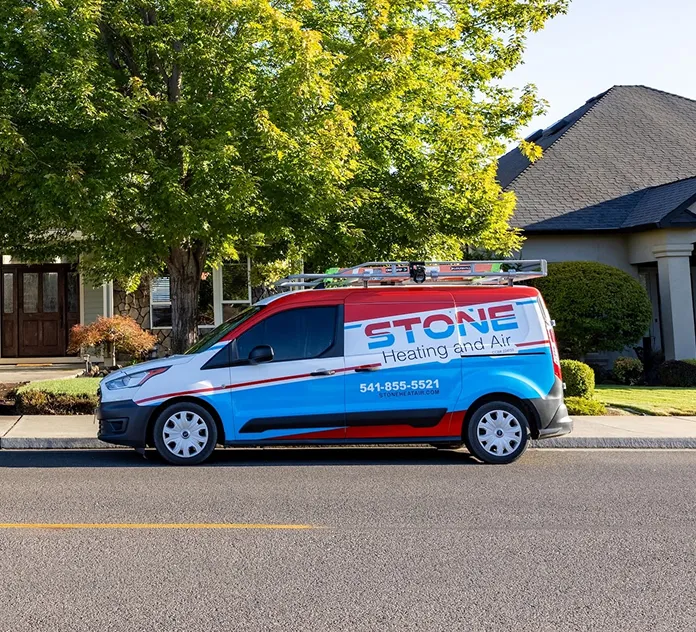
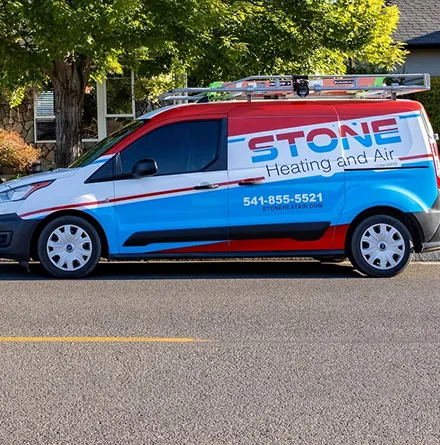

Installing a new air conditioner isn't just about picking a unit — it's about getting the right size, proper ductwork, and correct refrigerant charge for your specific home. A poorly installed AC wastes energy from day one and fails years before it should. Stone Heating & Air provides expert AC installation in White City, OR, with precise load calculations and professional setup.
We get your new cooling system right the first time:
- Home load calculations to match the perfect AC size to your space.
- Professional installation of high-efficiency systems from top brands.
- Ductwork evaluation and modification to ensure proper airflow.
- Post-install testing and performance verification before we leave. Call Stone Heating & Air at (541) 855-5521 or schedule your free estimate in White City today.
The Immediate Impact of a High-Efficiency AC Upgrade
Upgrading your air conditioning system is about more than just swapping out a metal box outside your home; it is an investment in atmospheric control and long-term financial savings. Modern cooling technology has advanced significantly over the last decade. While older units often operate on an "all-or-nothing" basis, blasting cold air at full capacity and then shutting off, modern systems utilize variable-speed technology and two-stage cooling. This means the system can run at lower speeds to maintain a constant temperature, eliminating the hot and cold spots that plague many older homes in Oregon.
When you choose to install a new system, you are immediately upgrading your home’s energy profile. New units come with higher Seasonal Energy Efficiency Ratio (SEER2) ratings. A unit from 15 years ago likely has a SEER rating of 8 or 10. Today’s standard models start much higher, and high-efficiency models can go well beyond that. This transition translates directly to lower utility bills. Given that cooling accounts for a significant portion of summer electricity usage, the efficiency gains from a new installation often offset the monthly investment cost of the equipment.
Stone Heating and Air ensures that every installation maximizes these technological benefits. Beyond efficiency, modern systems offer superior humidity control and air filtration. Even in our dry summer climate, proper airflow regulation is essential for indoor air quality. New systems are designed to integrate seamlessly with smart thermostats, allowing you to control your home’s climate from your smartphone, ensuring you never waste energy cooling an empty house.
How the Professional Installation Process Works
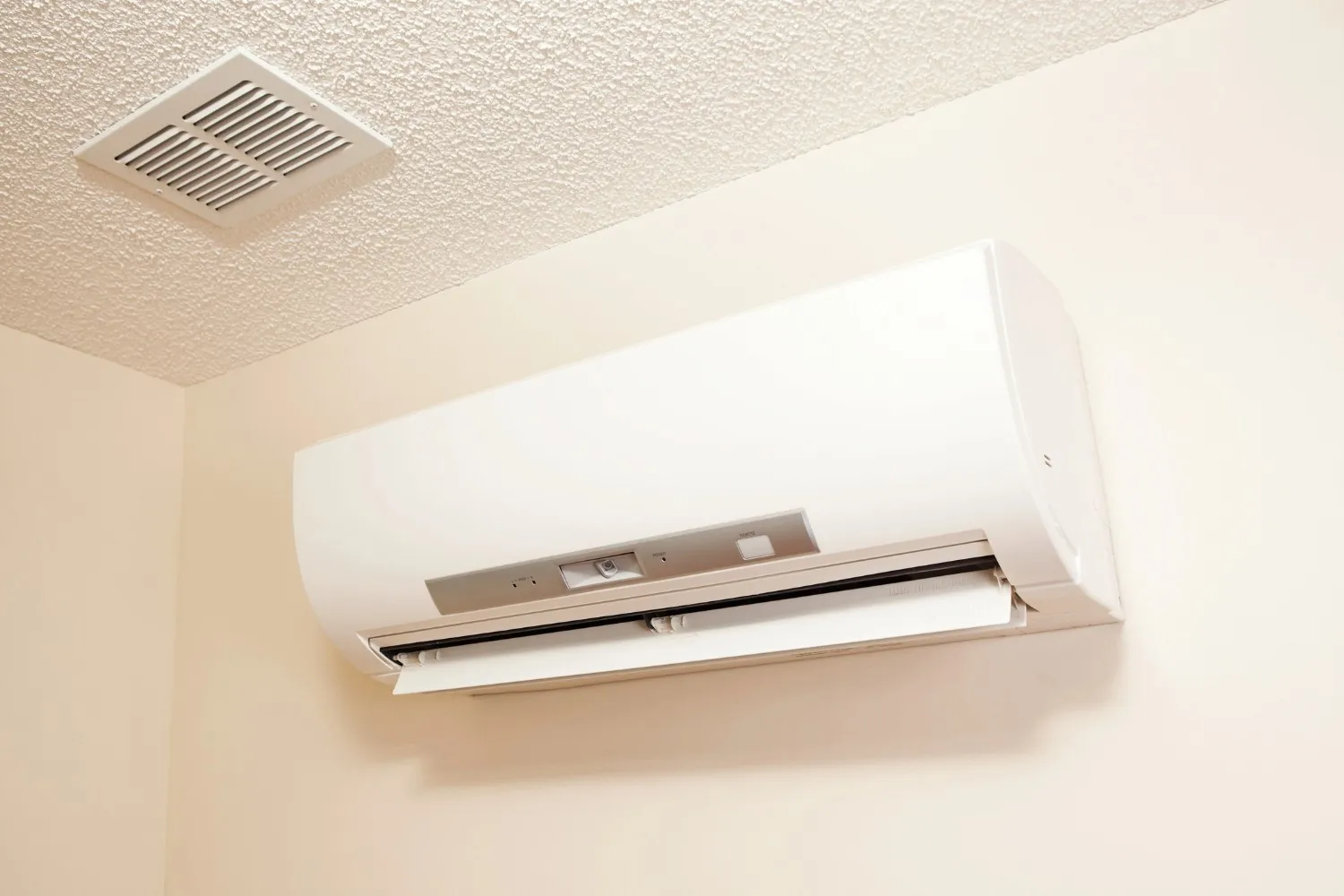
A proper air conditioner installation is a complex construction project that requires electrical, mechanical, and plumbing expertise. The longevity and efficiency of your new unit are dictated almost entirely by the quality of the installation. A rushed job can reduce efficiency by up to 30%, whereas a precise installation ensures the unit performs according to its factory specifications.
- Load Calculation and Sizing: The process begins with a Manual J load calculation. Technicians do not simply look at the size of your old unit and replace it with the same size. Changes in your home, such as new windows, insulation upgrades, or even the number of occupants, change the cooling load. Proper sizing is critical; a unit that is too big will "short cycle," turning on and off too frequently, which wears out parts and fails to dehumidify. A unit that is too small will run continuously without ever reaching the target temperature.
- Site Preparation and Protection: Before any heavy lifting occurs, the installation team prepares the workspace to protect your property. Drop cloths are laid down, and the electrical circuit is safely disconnected. The old refrigerant must be recovered according to EPA regulations to prevent environmental contamination.
- Removal and Inspection: The old condenser and indoor evaporator coil are removed. This reveals the existing plenum and ductwork connections. Technicians inspect these areas for air leaks or damage. Connecting a high-efficiency machine to leaky ductwork defeats the purpose of the upgrade, so minor sealing or modifications are often performed at this stage to ensure an airtight seal.
- System Placement and Connection: The new outdoor condenser is positioned on a level pad to minimize vibration and noise. Copper refrigerant lines are installed or flushed. This step is critical; technicians typically use a nitrogen purge while brazing the copper lines to prevent oxidation and soot from building up inside the pipes, which could clog the new compressor.
- Charging and Commissioning: Once the mechanical connections are secure, the system is pressure-tested to ensure there are no leaks. A vacuum pump removes all moisture and air from the lines before the refrigerant is released. Finally, the system is started, and technicians measure static pressure, airflow, and temperature variance to verify the system is operating at peak performance.
Deciding When to Replace vs. Repair
Homeowners often struggle with the decision of whether to sink more money into a failing unit or commit to a full replacement. While repairs are suitable for minor issues in newer units, there is a tipping point where replacement becomes the only financially logical choice.
- The 50% Rule: A general industry standard suggests that if the cost of the repair equals 50% or more of the value of a new system, you should replace it. However, if the unit is over ten years old, that threshold drops. Spending several hundred dollars on a compressor or motor for an aging unit is often throwing good money after bad.
- Freon Restrictions: If your current unit utilizes R-22 refrigerant (often known as Freon), repair costs can be astronomical. The production and import of R-22 have been banned due to environmental regulations. If your older unit leaks refrigerant, the cost to recharge it is often comparable to a down payment on a brand-new, eco-friendly system that uses R-410A or newer refrigerants.
- Frequency of Breakdowns: If you have required repairs more than once in the last two seasons, the system is signaling the end of its reliable lifespan. Constant breakdowns are not only expensive but also leave you vulnerable to heat waves without protection.
- Energy Efficiency Gaps: Compare your energy bills from this summer to those from five years ago. As components wear out, motors and compressors draw more amperage to do the same amount of work. If your usage is spiking despite normal weather patterns, the internal wear on the machine is costing you money every month that could be going toward a new warranty-backed system.
Local Considerations for White City Residents
Installing an air conditioner in our region requires specific attention to local building codes and environmental factors. Our climate is characterized by warm, dry summers and cool, wet winters. This specific weather pattern influences how systems should be selected and installed.
- Permitting and Code Compliance: Local municipalities require permits for HVAC installations to ensure safety and adherence to energy codes. This process verifies that the electrical circuit can handle the load of the new unit and that the refrigerant lines are safely routed. Professional installers handle this administrative burden, ensuring that the work passes all city or county inspections.
- Electrical Panel Capacity: Many older homes in the area may have outdated electrical panels. Modern AC units are energy efficient, but they still require a dedicated circuit with the correct amperage. During the assessment, technicians check the main panel to ensure it can support the new equipment without tripping breakers or creating fire hazards. If an upgrade is needed, it is identified before installation begins.
- Timing and Seasonality: The demand for AC installation surges when the first heat wave hits in late spring or early summer. Scheduling your installation during the shoulder seasons (early spring or late autumn) often results in faster appointment availability. Furthermore, installing before the peak heat ensures you are not left waiting in a hot house when technicians are busiest.
- Rebates and Incentives: Various local utility companies and state programs offer rebates for upgrading to high-efficiency heat pumps or air conditioners. These incentives change annually but can significantly reduce the net cost of the installation. Professional installers stay updated on these programs to help you claim any available credits.
Why Technical Certification Matters
The difference between a reliable cooling system and a problematic one often comes down to the skill of the technician. Certification from organizations like North American Technician Excellence (NATE) indicates that a technician has demonstrated real-world working knowledge of HVAC systems. This expertise is vital for handling high-voltage electricity, high-pressure gases, and complex combustion analysis if a furnace is involved.
- Manufacturer Warranties: Most major AC manufacturers require proof of professional installation to honor their warranties. If a system is installed by an unlicensed handyman, the 10-year parts warranty is often voided immediately. Professional installation ensures that the paperwork is filed correctly and your investment is protected.
- Safety and Liability: HVAC installation involves handling refrigerants that can be hazardous if released and electrical connections that pose fire risks if done incorrectly. Licensed contractors carry liability insurance and worker’s compensation, protecting the homeowner from liability in the event of an accident on the property.
- Long-Term Reliability: A system that is installed with attention to detail—properly brazed lines, level placement, and correct airflow settings—will have a longer lifespan. It will require fewer repairs and maintain its efficiency rating longer than a unit that was slapped together quickly.
Secure Your Comfort for the Long Haul
Investing in a new air conditioning system is one of the most significant improvements you can make for your home’s comfort and value. It eliminates the anxiety of potential breakdowns during the hottest weeks of the year and provides a noticeable reduction in monthly energy expenses. By choosing a professional service that understands the specific needs of the White City climate, you ensure that your home remains a sanctuary against the summer heat.
From the initial load calculation to the final thermometer reading, Stone Heating and Air focuses on precision and customer satisfaction. Do not wait for your old unit to fail completely on a 90-degree day. Take control of your indoor climate and start enjoying the benefits of modern, efficient cooling. Ready to upgrade your home comfort? Contact us today to schedule your installation estimate.
- Book Expert Service Or Contact Us