

A malfunctioning HVAC system in your commercial space affects productivity, customer experience, and your bottom line. Employees can't focus in a hot office, and customers won't linger in a freezing retail space. Stone Heating & Air provides commercial HVAC services in White City, OR, for businesses that need reliable climate control without downtime.
We keep your business comfortable and running:
- Commercial AC and heating repair for rooftop and split systems.
- Preventative maintenance contracts to minimize disruptions.
- Multi-zone system balancing for consistent temperatures throughout.
- Emergency commercial HVAC service for urgent failures. Call Stone Heating & Air at (541) 855-5521 to schedule commercial HVAC service in White City today.
Commercial HVAC Services and Scope of Work
Commercial heating and cooling systems differ significantly from residential units in terms of load, complexity, and operation schedules. A business environment demands robust systems capable of handling high occupancy rates and large square footage. You receive comprehensive support for the entire lifecycle of your mechanical equipment, from the initial load calculation to emergency repairs years down the line.
Core commercial services include:
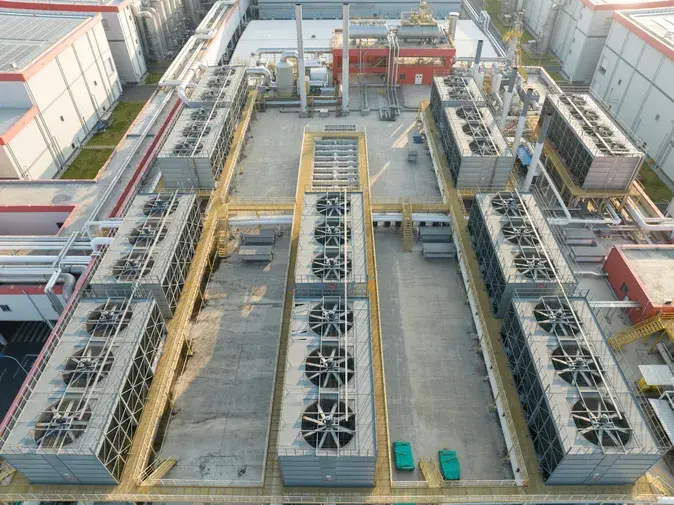
- Rooftop Unit (RTU) Services: Full diagnostic testing, heat exchanger inspection, and compressor replacements for packaged units common in retail and industrial strips.
- Split System Repair and Install: Servicing condenser coils and air handlers for offices requiring zoned temperature control.
- Chillers and Boilers: Specialized maintenance for hydronic systems used in larger facilities or manufacturing contexts.
- Control Systems and Automation: Calibration of thermostats, sensors, and building automation systems (BAS) to ensure energy efficiency and precise climate management.
- Ductwork Fabrication and Sealing: Repairing leaks and designing custom duct solutions to maintain static pressure and proper airflow distribution.
Service usually begins with a thorough site audit. Technicians verify voltage inputs, check refrigerant charges against manufacturer specifications, and inspect belt tension on blower motors. This preventative approach identifies potential failure points before they result in catastrophic system breakdown.
The Installation and Replacement Process
Replacing a commercial HVAC system is a major capital expenditure that requires logistical precision. The process ensures minimal disruption to your daily operations while upgrading your facility’s energy efficiency. We handle the logistics, permitting, and technical execution, allowing you to focus on running your business — view our project gallery.
The installation workflow follows a strict protocol:
- Load Calculation and System Design: First, technicians perform a Manual J or commercial equivalent load calculation. This accounts for square footage, insulation levels, window orientation, and heat-generating equipment inside the building. This step ensures the new unit is neither undersized (leading to constant running) nor oversized (leading to short-cycling and humidity issues).
- Site Preparation and Safety Checks: Next, the team secures the work area. For rooftop installations, this involves coordinating crane services and establishing safety perimeters. Existing electrical disconnects and gas lines are inspected to ensure they meet current code requirements.
- Removal of Existing Equipment: Technicians safely pump down and recover old refrigerant according to EPA guidelines. The old unit is disconnected from the ductwork and power supply, then removed from the premises for proper disposal.
- Setting the New Unit: The new system is positioned on the curb adapter or slab. Technicians ensure the unit is level to allow for proper drainage of condensate. Vibration isolation pads are installed to reduce noise transfer into the building.
- Connections and Integration: Electrical lines, gas piping, and condensate drains are connected. Ductwork is sealed to the unit to prevent air leakage. If the system utilizes economizers for ventilation, these are installed and calibrated.
- System Commissioning: Finally, the system is powered on. Technicians measure airflow, check static pressure, and verify superheat and subcooling levels. The thermostat or building automation system is programmed, and a final walkthrough confirms the system is operating at peak efficiency.
Deciding Between Commercial Repair or Replacement
Facility managers often struggle with the decision to repair an aging unit or invest in a replacement. Making the wrong choice can lead to wasted capital on a dying system or unnecessary expenditure on a new one. This decision relies on data, specifically the age of the equipment, the frequency of breakdowns, and the cost of operation.
Consider replacement under the following conditions:
- The 50% Rule: If the cost of a necessary repair approaches or exceeds 50% of the value of the equipment, replacement is generally the smarter financial move. Investing heavily in an old asset rarely yields a return on investment.
- Age of the System: Commercial units typically last 15 to 20 years. If your system in White City is approaching this age range, major components like compressors and heat exchangers are statistically more likely to fail.
- Declining Efficiency: Older units often have much lower SEER (Seasonal Energy Efficiency Ratio) ratings compared to modern standards. If energy bills are rising despite normal usage, the operational savings from a high-efficiency replacement can often offset the installation cost over time.
- Frequent Refrigerant Leaks: Systems that rely on phased-out refrigerants (like R-22) are incredibly expensive to refill. A system that leaks refrigerant regularly is a financial drain and an environmental liability.
- Comfort Complaints: If the system can no longer maintain a consistent temperature or humidity level, it impacts the customer experience and employee performance. When uneven heating or cooling persists despite repairs, the system capacity may no longer match the building's needs.
Stone Heating and Air assists in this evaluation by providing a clear cost-benefit analysis, outlining the projected lifespan of current equipment versus the ROI of a new installation.
Local Considerations for Business Owners
Operating a business in this region presents specific environmental and regulatory challenges that influence HVAC requirements. The local climate swings from damp, cold winters to dry, hot summers, placing significant stress on mechanical systems year-round. Equipment must be rated to handle these temperature extremes without faltering.
Key local factors include:
- Utility Infrastructure and Voltage: Commercial facilities may operate on three-phase power, which differs from residential single-phase. Ensuring your HVAC equipment matches the available voltage supply is critical during installation to prevent motor damage.
- Permitting and Zoning: Commercial HVAC work requires strict adherence to local building codes. This includes noise ordinances regarding outdoor condensing units and proper venting for gas-fired heating equipment. Permits must be pulled and closed out properly to avoid fines or issues during property sales.
- Indoor Air Quality (IAQ) and Ventilation: With variable outdoor air quality due to seasonal factors like pollen or wildfire smoke, businesses must prioritize filtration. Commercial codes dictate specific ventilation rates (CFM of fresh air) based on occupancy type. Modern economizers and high-MERV filtration systems are essential for maintaining a healthy indoor environment.
- Rebate Programs: Various local and state programs offer incentives for upgrading to high-efficiency heat pumps or VRF (Variable Refrigerant Flow) systems. Navigating these rebates requires documentation that certifies the equipment meets specific energy standards.
Preventative Maintenance Protocols
Reactive maintenance is the most expensive way to manage facility assets. Waiting for a failure usually results in emergency service rates and unplanned downtime. A structured preventative maintenance agreement shifts the focus from repair to reliability. Regular service visits ensure that warranties remain valid and efficiency remains high.
Standard maintenance tasks include:
- Coil Cleaning: Dirty condenser and evaporator coils reduce the system's ability to transfer heat, causing the compressor to work harder and use more electricity. Chemical cleaning restores this efficiency.
- Belt and Pulley Inspection: Worn or loose belts in belt-driven blower motors can slip, reducing airflow, or snap, causing total system failure. Technicians adjust tension and align pulleys during every visit.
- Electrical Tightening: Vibrations can cause electrical connections to loosen over time. Loose connections create resistance and heat, leading to burnt wiring or failed contactors. Tightening these connections prevents electrical fires and component failure.
- Condensate Drain Clearing: Clogged drain lines can cause water damage to ceilings and inventory. Technicians clear these lines and treat pans to prevent algae growth.
- Filter Management: Commercial filters must be changed quarterly or monthly, depending on the business type (e.g., restaurants and manufacturing require more frequent changes than standard offices).
Why Professional Commercial Service Matters
Commercial HVAC systems are complex assets that require specialized training to service correctly. Unlike residential units, commercial equipment often involves advanced controls, three-phase electricity, and complex zoning configurations. Attempting to service these systems with general maintenance staff or unqualified contractors can void manufacturer warranties and create safety hazards.
Technical proficiency ensures:
- Accurate Diagnostics: Professional technicians use advanced tools to measure superheat, subcooling, and static pressure. This data-driven approach pinpoints the root cause of the issue, rather than just treating symptoms.
- Code Compliance: Every repair and installation adheres to the National Electrical Code (NEC) and International Mechanical Code (IMC), protecting your business from liability.
- Proper Sizing: Replacing a unit "like for like" is not always correct if the original unit was sized improperly or if the building's internal load has changed (e.g., adding more computers or people). Professionals recalculate loads to ensure optimal performance.
- Safety Protocols: Handling high-voltage electricity and pressurized refrigerants requires strict safety adherence. Certified technicians are trained to manage these risks effectively.
Your business depends on a reliable environment. Whether you need an emergency repair to reopen your doors or a planned replacement to improve energy efficiency, professional commercial HVAC services provide the stability your operations require. Stone Heating and Air delivers the expertise, equipment, and response time necessary to keep your business moving forward.
Take Control of Your Building’s Climate
Protect your business from costly downtime and ensure a consistently comfortable environment with expert commercial HVAC services tailored to White City’s demanding climate. From rapid emergency repairs to precision-designed system upgrades, Stone Heating and Air delivers the reliability, efficiency, and compliance your facility requires to stay fully operational. Our licensed and insured technicians handle everything—from diagnostics to installation—so you can focus on running your business, not your HVAC system. Schedule your commercial HVAC service today and safeguard your productivity, comfort, and bottom line.
- Book Expert Service Or Contact Us