

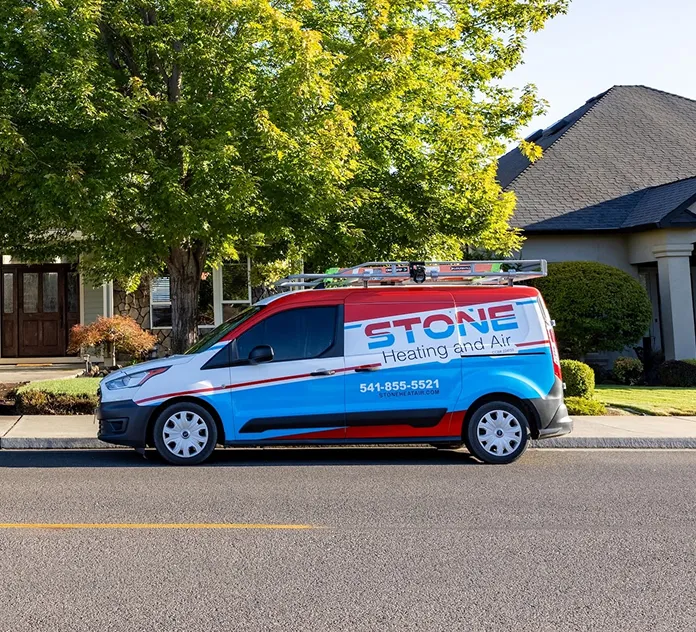

When a winter storm or power grid failure knocks out your electricity, your home goes dark, your heating shuts down, and your refrigerator starts warming up. Relying on the utility company to restore power quickly is a gamble — especially in rural Southern Oregon. Stone Heating & Air provides professional whole-home generator installation in Prospect, OR, for automatic backup power when the grid fails.
Never lose power to your home again:
- Precise load calculations to size your generator correctly.
- Automatic transfer switch installation for seamless switchover.
- Natural gas and propane fuel line connection and setup.
- Permitting, code compliance, and post-install testing included. Call Stone Heating & Air at (541) 855-5521 to schedule a generator consultation in Prospect today.
Comprehensive Backup Power Solutions for Modern Homes
Installing a whole-home generator is a significant capital improvement that involves complex electrical and mechanical integration. Unlike portable units that require manual setup, fueling, and extension cords during a storm, a standby generator is a permanent fixture. It monitors the utility grid 24/7 and takes over automatically within seconds of a power loss.
When you secure a professional installation, you are purchasing a fully integrated system. The scope of work involves detailed load calculations to ensure the unit can handle the startup amperage of your largest appliances, such as central air conditioners, well pumps, or electric water heaters. Undersizing a unit can lead to system failures or damage to sensitive electronics, while oversizing results in unnecessary fuel consumption and higher upfront costs.
The hardware package typically includes the generator unit itself—often encased in a weather-resistant, sound-attenuated enclosure—and an Automatic Transfer Switch (ATS). The ATS is the brain of the system. It isolates your home from the utility grid before engaging the generator power, which is a critical safety requirement to prevent back-feeding electricity onto the grid, which could endanger utility workers.
Current installation packages cover every aspect of the project:
- Site Selection and Preparation: Identifying a location that meets clearance requirements for windows, doors, and property lines while minimizing noise for you and your neighbors.
- Fuel Integration: connecting the unit to your home’s existing natural gas or liquid propane (LP) supply, eliminating the need to store gasoline.
- Electrical Interconnection: Rerouting essential circuits or the main service entry through the transfer switch.
- System Commissioning: Factory-authorized startup procedures to validate voltage, frequency, and safety shutdowns.
The Generator Installation Process: From Assessment to Activation
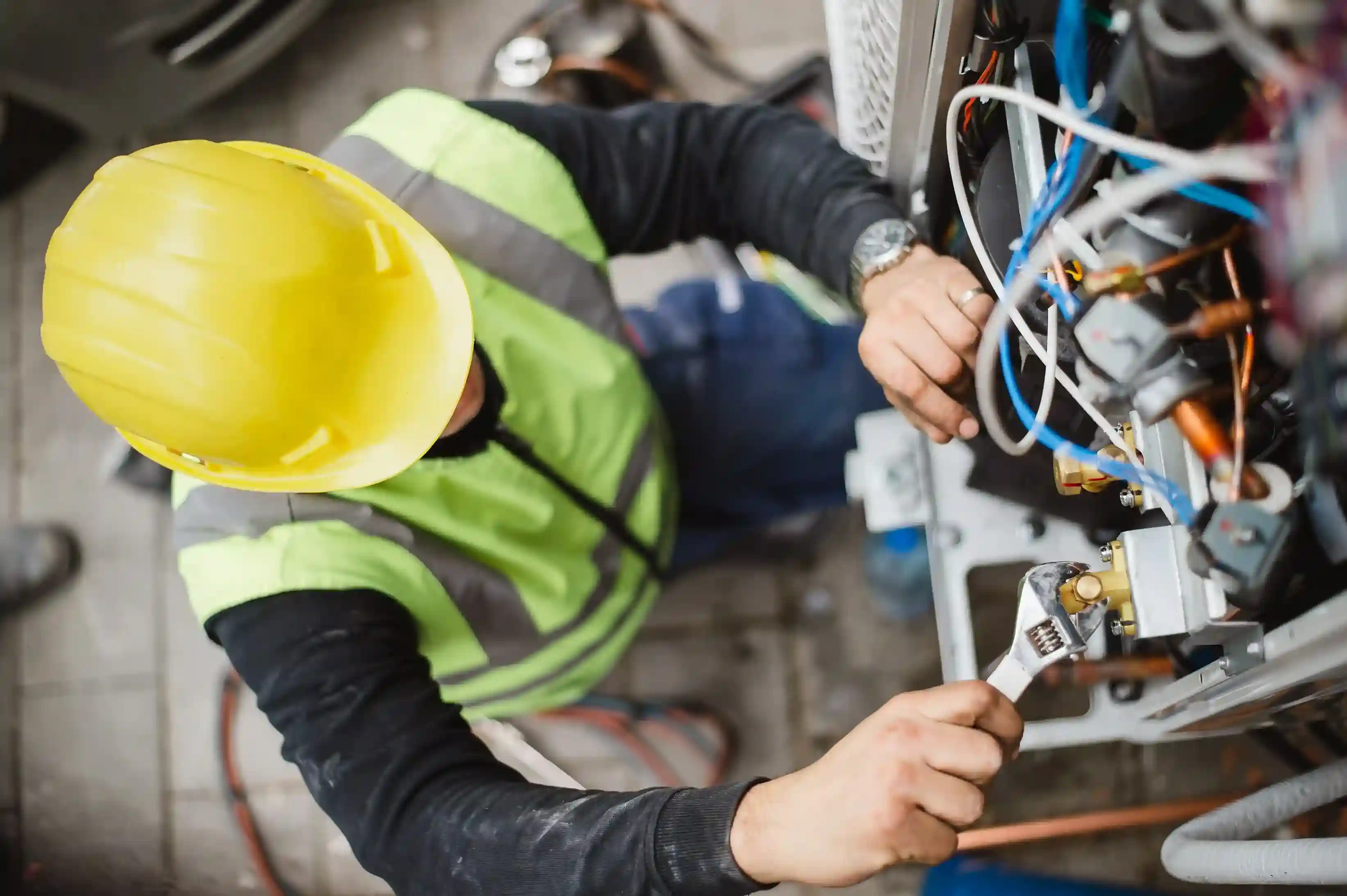
A proper installation is a multi-step construction project that requires coordination between electrical and plumbing trades. We handle the logistics to ensure a seamless transition from grid power to backup power.
Site Assessment and Sizing
The process begins with a technical audit of your home’s electrical demand. We analyze your main breaker panel and identify high-draw appliances. We also evaluate the gas meter size or propane tank capacity to ensure there is sufficient fuel flow to run the generator at full load. This stage determines whether you need an air-cooled unit (common for standard residential use) or a liquid-cooled unit (for larger luxury homes or commercial-grade requirements).
Permitting and Compliance
Before any physical work begins, we acquire the necessary electrical and mechanical permits. Local building departments in the Prospect area have specific setbacks and noise ordinances that must be adhered to. We submit detailed site plans showing the proposed location of the generator relative to the home and property boundaries.
Pad Preparation and Placement
A stable foundation is vital for the longevity of the equipment. We prepare a gravel bed or pour a concrete pad to ensure the unit remains level and does not sink over time due to soil shifting or moisture. Proper leveling reduces vibration and prevents mechanical stress on the engine mounts.
Mechanical and Electrical Connections
Once the unit is set, the technical work begins.
- First, the gas line is trenched and piped to the generator location. This includes installing a secondary regulator at the generator inlet to ensure consistent pressure.
- Next, the electrical team installs the Automatic Transfer Switch. This often involves interrupting the main service line between the meter and your breaker panel.
- Control wires are run between the generator and the ATS, allowing the two components to communicate. These low-voltage wires carry the signals that tell the generator to start, warm up, transfer power, and cool down.
Final Activation and Testing
The final step is the most critical. We simulate a power outage by cutting the main utility feed. We verify that the ATS detects the loss, the generator starts, and the load transfers within the specified timeframe (usually 10-20 seconds). We then measure voltage stability under load to ensure your appliances will run safely. Finally, we walk you through the user interface, showing you how to check status lights and maintenance logs.
Deciding Between Repair and Replacement
Homeowners with existing backup systems often face the dilemma of whether to invest in repairs or upgrade to a modern unit. While generators are built for durability, they are mechanical engines that degrade over time. Knowing when to stop repairing an old unit and invest in a new installation is key to maintaining reliability.
Age and Parts Availability
If your current generator is over 10-15 years old, parts availability becomes a major issue. Manufacturers eventually phase out support for older control boards and engine components. If you are facing a repair that costs more than 50% of the price of a new unit, replacement is generally the smarter financial decision.
Changes in Power Requirements
Many homes in Prospect have evolved since their original generators were installed. If you have added a hot tub, an electric vehicle (EV) charging station, or a central air conditioning unit, your old generator may no longer have the kilowatt capacity to support the house. Running a generator at 100% capacity for extended periods shortens its lifespan and risks tripping breakers. Upgrading to a larger unit ensures your current lifestyle is fully supported.
Technological Advancements
Modern generators offer features that older models lack. New units are quieter, more fuel-efficient, and come equipped with Wi-Fi monitoring. This allows you (and us) to track the generator’s status via a smartphone app. If your current unit requires you to go outside in a storm to check why a red light is blinking, an upgrade offers significant convenience and safety advantages.
Reliability Concerns
The purpose of a generator is absolute reliability. If your existing unit has failed to start during recent exercise cycles or required multiple service calls in a single year, it has become a liability. A new installation resets the clock on warranty coverage and guarantees performance when you need it most.
Local Considerations for Prospect Installations
Installing a generator in Prospect requires specific knowledge of the local environment and infrastructure. This is not a one-size-fits-all service; regional factors heavily influence the design and execution of the project.
Weather and Terrain
Prospect is subject to distinct seasonal challenges, including heavy snowfall and wind events that frequently threaten overhead power lines. Generator placement must account for snow drift patterns. We ensure the unit is installed at an elevation or location where air intakes will not be blocked by accumulating snow. Additionally, windbreaks or specific orientation may be necessary to prevent exhaust gases from being blown back toward the home’s ventilation points.
Fuel Source Availability
In many parts of Prospect and surrounding rural areas, natural gas infrastructure may not be available, making liquid propane (LP) the primary fuel source. If you rely on a propane tank, we calculate the burn rate of the proposed generator to help you understand how many days of autonomy you have based on your tank size. We can coordinate with your propane supplier to upgrade tank sizes if extended runtimes are anticipated.
Electrical Utility Requirements
Local utility providers have specific requirements regarding the type of transfer switches allowed and the method of disconnection. We ensure that Stone Heating and Air adheres strictly to these utility interconnect standards. This prevents project delays during the final inspection and ensures that utility workers are safe when repairing lines down the street.
Cold Weather Kits
Given the local climate, standard generator configurations may struggle to start in freezing temperatures. We often recommend and install cold weather kits, which include battery warmers and oil crankcase heaters. These components ensure the engine is primed and ready to fire up even in the depth of winter.
Why Professional Installation is Non-Negotiable
While some home projects can be DIY, generator installation involves high-voltage electricity and pressurized fuel gas—two elements that are dangerous if mishandled. Professional installation is the only way to ensure the system works safely and that your warranty remains valid.
Factory Warranty Compliance
Manufacturers like Generac and Kohler are strict about installation protocols. If a unit is installed by an uncertified individual and an engine failure occurs, the warranty claim will likely be denied. We provide the documentation and commissioning reports required to register your unit and activate full factory coverage.
Proper Gas Pressure and Volume
One of the most common reasons for generator failure is fuel starvation. An amateur installer might connect a large generator to a gas pipe that is too small, causing the engine to stall under heavy load. We use hydraulic calculations to size gas piping correctly, ensuring the engine receives the necessary BTUs to produce full power.
Noise Control and Zoning
Generators produce noise, and placement matters. Placing a unit too close to a neighbor’s bedroom window can lead to noise complaints and code violations. We understand the decibel ratings of different units and locate them in areas that comply with local noise ordinances while remaining accessible for maintenance.
Turnkey Project Management
We handle the entire scope, from the initial load calculation to the final inspection with the city or county. You do not need to hire a separate electrician, plumber, and excavator. We coordinate the trades to minimize disruption to your property and get your system online faster.
Secure Long-Term Energy Reliability With Expert Installation: Act Today
Secure your home’s energy future today. Do not wait until the lights go out to think about backup power. Contact us now to discuss your generator installation needs and secure your spot on our schedule.
- Book Expert Service Or Contact Us