

A new heating system is a major investment — and getting the installation wrong means poor performance, higher bills, and a shorter equipment lifespan. Oversized furnaces short-cycle and waste fuel, while undersized units run constantly without warming your home. Stone Heating & Air provides professional heating installation in Prospect, OR, with proper sizing and expert setup.
We make sure your new system delivers from day one:
- Heat load calculations to match the right system to your home.
- Furnace and heat pump installation for all major brands.
- Ductwork evaluation and modification for optimal airflow.
- Full system testing and performance verification after install. Call Stone Heating & Air at (541) 855-5521 or schedule your free estimate in Prospect today.
What You Can Expect From a Professional Installation
Securing a new heating system is about more than just purchasing a unit; it is about investing in a complete home comfort solution. When you choose a professional installation, you are purchasing a scope of work that includes the safe removal of your old equipment, the precise calibration of new machinery, and the optimization of your home’s air distribution.
Today’s heating technology is significantly more advanced than systems manufactured even a decade ago. Modern installations involve integrating smart thermostats, variable-speed blowers, and high-efficiency heat exchangers. You receive a system that modulates its output based on the specific heating load of your home rather than simply blasting hot air at full capacity. This results in even temperatures throughout every room, reduced noise levels during operation, and a noticeable decrease in energy consumption.
The scope of a standard installation includes a thorough evaluation of your existing infrastructure. This means inspecting ductwork for leaks, checking gas lines for integrity, and ensuring your electrical panel can support the new equipment. Stone Heating and Air ensures that every component, from the intake ventilation to the exhaust flue, is installed according to strict manufacturer specifications.
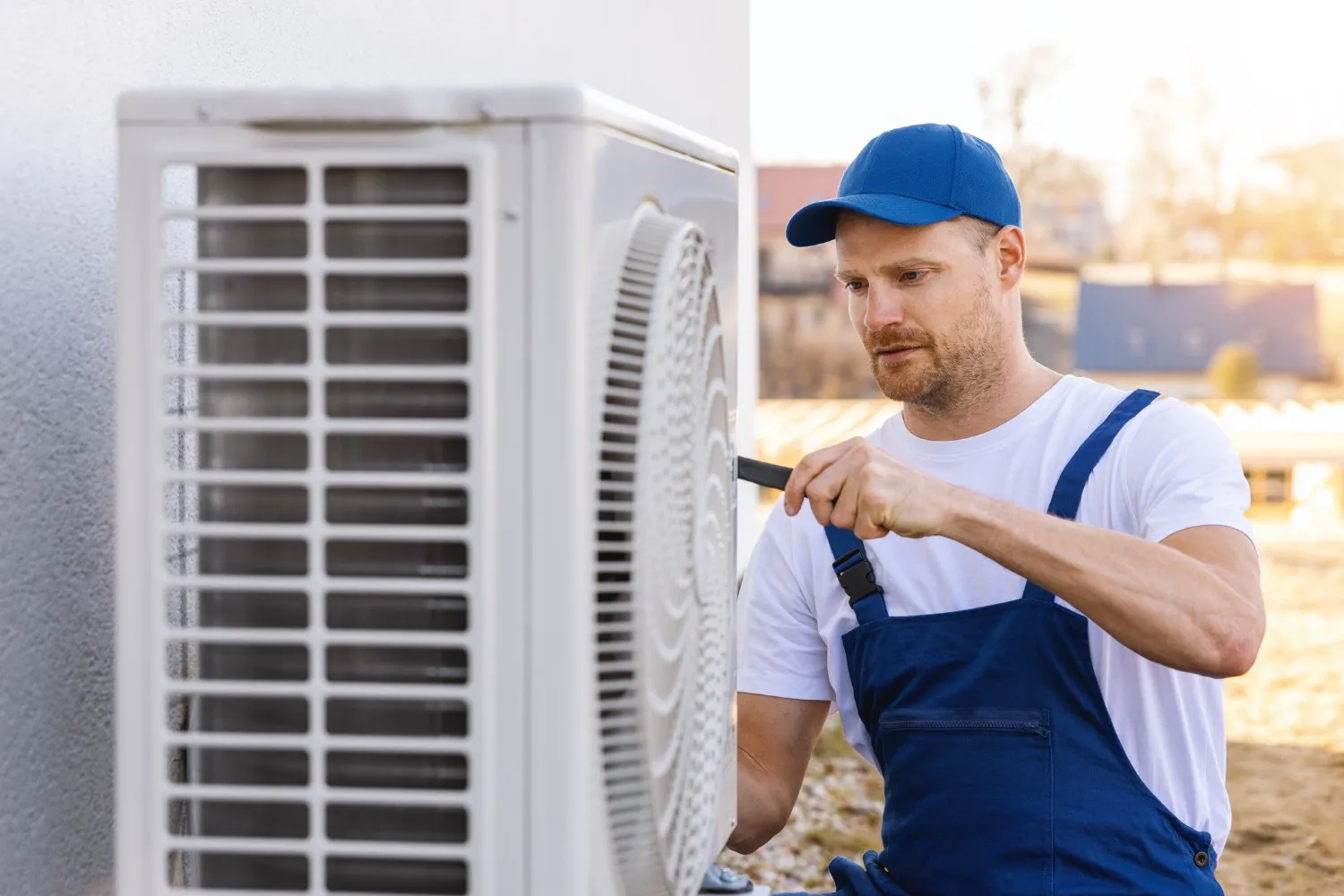
The Heating Installation and Replacement Process
A successful heating installation follows a rigorous, step-by-step protocol to ensure safety and efficiency. We do not skip steps or cut corners, as the longevity of your system depends on the quality of the initial setup.
- Load Calculation and Sizing: The process begins with a Manual J load calculation. This engineering standard calculates the exact amount of heat your home requires based on square footage, insulation levels, window types, and local climate data. Installing a unit that is too big causes short-cycling, while a unit that is too small will run continuously without warming the house.
- Site Preparation and Protection: Technicians prepare the workspace to protect your flooring and property. This involves laying down drop cloths and ensuring a clear path to the utility area. Safety switches and gas valves are shut off to ensure a safe working environment.
- Removal of Existing Equipment: The old furnace or heat pump is disconnected from the gas, electric, and ventilation systems. It is carefully removed from the property and disposed of according to environmental regulations.
- Ductwork and Plenum Modification: New systems often have different physical dimensions than older models. The supply and return plenums (the metal boxes that connect the unit to your ducts) may need to be fabricated or modified to ensure an airtight seal and proper airflow.
- System Placement and Connection: The new unit is leveled and secured in place. Technicians connect the fuel source (gas or electricity), the flue pipe for exhaust, and the condensate drain line.
- Electrical and Thermostat Wiring: High-voltage wiring is connected to power the unit, and low-voltage wiring is run to the thermostat. If you are upgrading to a smart thermostat, it is installed and programmed during this stage.
- Commissioning and Testing: Once connected, the system is not just turned on; it is commissioned. This involves measuring static pressure, checking temperature rise (the difference in air temperature between supply and return), and verifying gas pressure.
- Final Walkthrough: The technician walks you through the operation of the new system, explains maintenance requirements, and demonstrates how to change filters and operate the thermostat.
Deciding Between Repair and Replacement
Homeowners often struggle to decide whether to repair an aging unit or invest in a new one. While repairs can solve immediate issues, there is a mathematical tipping point where replacement becomes the more financially sound decision — visit our FAQs for common questions.
The "50% Rule" is a common industry standard. If the cost of a repair approaches 50% of the value of a new system, replacement is generally the better option. Additionally, if you are calling for repairs frequently—more than once a year—those cumulative costs will quickly exceed the price of a modern, warrantied unit.
Age is the primary factor. Furnaces generally last 15 to 20 years, while heat pumps have a lifespan of 10 to 15 years. If your system is within this age range and requires a major component replacement, such as a heat exchanger or compressor, investing in a new system eliminates the risk of throwing good money after bad.
Efficiency is another critical indicator. Older systems often operate at 60% to 70% AFUE (Annual Fuel Utilization Efficiency), meaning 30 to 40 cents of every dollar you spend on fuel is wasted. Upgrading to a modern system with 90% to 98% AFUE can result in immediate savings on your monthly energy bills, effectively helping the system pay for itself over time.
Safety must also be considered. Older combustion systems are at a higher risk for developing cracks in the heat exchanger, which can lead to carbon monoxide leaks. If a technician identifies a compromised heat exchanger, immediate replacement is the only safe option.
Understanding Types of Heating Systems
Choosing the right equipment depends on your home’s energy source and your comfort preferences — visit our blog for more insights.
- Gas Furnaces: These are the most common heating systems in areas with natural gas access. They provide powerful, rapid heating and are highly effective in extremely cold temperatures. Modern modulating gas furnaces can adjust their flame in tiny increments to maintain a precise temperature.
- Electric Furnaces: Used in homes without natural gas lines, electric furnaces use heating coils to warm the air. While the equipment is often less expensive upfront, operation costs can be higher unless paired with a heat pump.
- Heat Pumps: Heat pumps are electrically powered systems that transfer heat rather than generating it. In the winter, they extract heat from the outside air (even cold air has heat energy) and move it inside. They are incredibly efficient and serve as air conditioners in the summer.
- Dual Fuel Systems: This "hybrid" approach combines an electric heat pump with a gas furnace. The heat pump handles heating during moderately cold days, maximizing efficiency. When temperatures drop below freezing, the system automatically switches to the gas furnace for powerful auxiliary heat.
Navigating Local Installation Requirements
Installing a heating system in Prospect requires adherence to specific local building codes and utility regulations. These rules are in place to ensure the safety of your household and the community.
Permitting and Inspections
Professional replacement requires pulling a mechanical permit. This alerts the local building department that work is being done. After installation, a county inspector may visit to verify that the gas piping, electrical connections, and venting meet safety codes. We handle the entire permitting process, ensuring you are never liable for unpermitted work.
Utility Rebates and Incentives
Local utility providers and federal programs often offer rebates for upgrading to high-efficiency equipment. These incentives focus on systems with high SEER2 and HSPF2 ratings. Qualifying for these rebates usually requires installation by a licensed contractor who can provide the necessary AHRI (Air Conditioning, Heating, and Refrigeration Institute) certificate.
Climate Considerations
The local climate demands a system that can handle damp, chilly conditions as well as freezing temperatures. Proper insulation of ductwork, especially in unconditioned spaces like attics or crawlspaces, is vital to prevent heat loss before the air even reaches your living rooms.
The Importance of Professional Execution
The most important day in the life of your heating system is the day it is installed. Industry studies suggest that a significant percentage of HVAC equipment is installed incorrectly, which reduces efficiency and shortens the lifespan of the unit — read our reviews to verify our quality.
Airflow and Static Pressure
A furnace breathes. It needs to pull in a specific amount of air to push out heated air effectively. If the ductwork is undersized or the filter is too restrictive, the system suffers from high static pressure. This strains the blower motor, leading to premature failure and noisy operation. Professional installation includes measuring static pressure to ensure the system breathes freely.
Venting and Combustion Safety
For gas furnaces, proper venting is non-negotiable. Modern high-efficiency furnaces produce condensation that is acidic and must be drained properly. The flue gases must be vented using the correct PVC or metal piping to prevent back-drafting, which pulls exhaust gases back into the home.
Refrigerant Charge
For heat pumps, the refrigerant level must be precise. An undercharged or overcharged system will struggle to heat the home and will consume excessive electricity. Technicians use digital gauges to dial in the refrigerant charge according to the manufacturer’s subcooling and superheat requirements.
Why Energy Efficiency Metrics Matter
When selecting your new unit, you will encounter various acronyms that define performance. Understanding these helps you gauge the long-term value of your investment.
- AFUE (Annual Fuel Utilization Efficiency): This measures how efficiently a furnace converts fuel to heat. A 95% AFUE furnace utilizes 95% of the fuel for heat, with only 5% lost in the exhaust.
- HSPF2 (Heating Seasonal Performance Factor): This rating applies to heat pumps and measures their efficiency in heating mode. A higher HSPF2 indicates a more efficient unit that costs less to run.
- SEER2 (Seasonal Energy Efficiency Ratio): Since heat pumps also provide cooling, this measures the cooling efficiency. A higher number equals lower summer electricity bills.
Higher efficiency units often come with higher upfront costs but offer lower operating costs and better comfort features, such as variable-speed motors that reduce temperature swings and eliminate cold spots in the house.
Secure Your Comfort This Season
Delaying a necessary heating replacement risks emergency breakdowns during peak winter weather, often leading to higher costs and limited equipment choices. Proactive installation allows you to select the best system for your home, take advantage of financing or rebates, and schedule the work at your convenience.
A modern heating system provides consistent warmth, improved indoor air quality, and the reliability you need to ignore the weather outside. Stone Heating and Air is ready to help you transition to a more comfortable, energy-efficient home environment.
Do not wait until the temperature drops inside your home. Schedule your heating installation estimate now.
- Book Expert Service Or Contact Us