
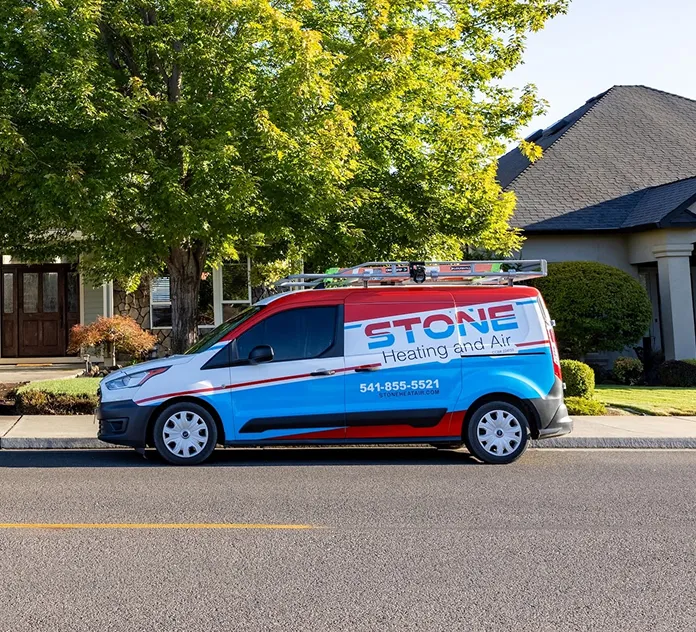
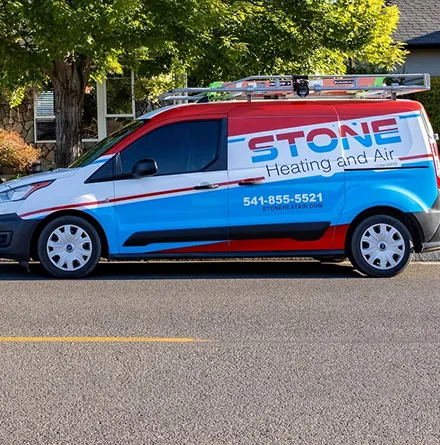

Getting a new HVAC system installed correctly is the difference between 15 years of reliable comfort and years of problems, callbacks, and wasted energy. Improper sizing, bad ductwork connections, and rushed installs plague the industry. Stone Heating & Air provides professional HVAC installation in Prospect, OR, with precision sizing and expert craftsmanship.
We build your comfort system to perform for the long haul:
- Full load calculations for accurate heating and cooling system sizing.
- Expert installation of furnaces, air conditioners, and heat pumps.
- Ductwork design, modification, and connection verification.
- Complete system testing before we consider the job finished. Call Stone Heating & Air at (541) 855-5521 or schedule your free estimate in Prospect today.
What You Get: Timely Installation and Advanced Technology
When you invest in a new HVAC system, you are purchasing more than just hardware; you are securing the long-term livability of your home. Modern systems are engineered to address the specific inefficiencies that plague older models, such as energy waste and inconsistent airflow — view our gallery for examples.
High-Efficiency System Options
The HVAC industry has made significant strides in technology over the last decade. Homeowners in Prospect have access to a variety of systems that prioritize energy conservation without sacrificing output.
- Variable-Speed Furnaces: Unlike older single-stage furnaces that blast heat at full capacity, variable-speed models adjust airflow precisely. This results in quieter operation, better humidity control, and lower fuel consumption.
- Heat Pumps: These systems are increasingly popular in the Pacific Northwest. They transfer heat rather than generating it, providing an efficient dual-solution for both heating in the winter and cooling in the summer. Modern heat pumps retain efficiency even when temperatures drop significantly.
- Ductless Mini-Splits: For homes without existing ductwork or for room additions, ductless systems offer targeted comfort. They allow for zoning, meaning you only pay to condition the rooms you are actually using.
- Smart Thermostat Integration: New installations often include smart thermostats. These devices learn your schedule and adjust temperatures automatically, further reducing energy waste when the house is empty.
.webp)
Understanding Efficiency Ratings
Selecting the right unit involves understanding efficiency ratings, which directly impact your monthly operational costs.
- SEER2 (Seasonal Energy Efficiency Ratio 2): This measures cooling efficiency. A higher SEER2 rating indicates a more efficient air conditioner or heat pump during cooling cycles.
- HSPF2 (Heating Seasonal Performance Factor 2): This rates the heating efficiency of heat pumps. Higher numbers mean less electricity is used to generate heat.
- AFUE (Annual Fuel Utilization Efficiency): Used for gas furnaces, this percentage indicates how much fuel is converted to heat versus how much is lost. Modern high-efficiency furnaces can achieve AFUE ratings of 98%, meaning near-zero waste.
Installation Process: Quick and Certified
A high-quality HVAC unit will fail if it is not installed correctly. The installation process requires precision, adherence to safety protocols, and a deep understanding of airflow dynamics. Stone Heating and Air follows a rigorous protocol to ensure every system is set up for success from day one.
- Comprehensive Site Assessment: The process begins with a detailed evaluation of your current setup. Technicians examine the existing ductwork, electrical connections, and gas lines to identify any modifications needed before the new unit arrives.
- Manual J Load Calculation: Technicians do not guess the size of the unit based on the previous one. A Manual J calculation is performed to determine the exact heating and cooling load of the home based on square footage, window placement, insulation quality, and local climate data. This prevents "short-cycling" caused by oversized units and the inability to keep up caused by undersized units.
- Safe Removal and Disposal: The old equipment is disconnected safely. Refrigerant involves hazardous chemicals and must be recovered according to EPA regulations to prevent environmental contamination. The old unit is then removed and disposed of properly.
- Ductwork Inspection and Sealing: Before the new unit is connected, the ductwork is inspected for leaks. Leaky ducts can lose up to 30% of conditioned air. Sealing these leaks ensures the new system operates at its rated efficiency.
- Equipment Placement and Connection: The new furnace, air conditioner, or heat pump is positioned and leveled. Technicians connect the refrigerant lines, electrical wiring, gas piping, and condensate drains. Specialized tools are used to braze copper lines and ensure leak-free connections.
- System Commissioning and Testing: Once connected, the system is not just turned on; it is commissioned. This involves checking static pressure, measuring airflow, testing safety controls, and verifying that the thermostat is communicating correctly with the equipment.
- Clean-Up and Walkthrough: The workspace is cleaned thoroughly. Finally, the technician walks you through the operation of the new system, explaining filter maintenance, thermostat programming, and warranty registration.
When to Choose Replacement Over Repair
Deciding between another repair bill and a full system replacement is a common dilemma. While repairs can extend the life of a unit, there is a tipping point where replacement becomes the more financially sound decision — check our FAQs for tips.
The 50% Rule
A general guideline used in the industry is the 50% rule. If the cost of the repair approaches 50% of the value of the system (or the cost of a new one), replacement is usually the better option. Putting expensive parts into an old system does not reset the clock on the rest of the components.
Age of the System
HVAC systems have a finite lifespan. Furnaces typically last 15–20 years, while air conditioners and heat pumps usually last 10–15 years. If your equipment is within this age range and requires a major repair—such as a compressor or heat exchanger replacement—it is often more prudent to invest that money into a new system with a fresh warranty.
Rising Utility Bills
As components wear out, motors and compressors have to work harder to achieve the same results, drawing more electricity. If your energy usage has increased year over year despite similar weather patterns, your system’s efficiency has degraded. A new system can lower these costs immediately, helping to offset the installation price over time.
Frequency of Breakdowns
If you find yourself calling for service multiple times a year, the system has become unreliable. The cumulative cost of service calls, refrigerant recharges, and minor part replacements adds up quickly. Furthermore, the inconvenience of unexpected breakdowns during extreme weather is a significant factor.
Comfort and Air Quality Issues
Old systems often struggle with humidity control and air filtration. If your home feels clammy in the summer or excessively dry in the winter, or if you notice excessive dust accumulation despite changing filters, the system’s design may no longer be adequate for your home.
Navigating Local HVAC Requirements
Installing an HVAC system involves strictly adhering to local building codes and regulations. These rules are in place to ensure the safety of the occupants and the energy efficiency of the structure.
Permitting and Inspections
In Prospect and the surrounding region, most HVAC installations require a mechanical permit. This ensures that the installation meets the current building codes regarding venting, electrical safety, and gas piping. Professional installers handle the permit application process and schedule the necessary municipal inspections upon completion. Attempting to install a system without a permit can lead to fines and complications when selling the home in the future.
Regional Climate Considerations
The local climate dictates specific installation practices. Given the wet winters, proper drainage for high-efficiency condensing furnaces and heat pumps is critical to prevent water damage or freezing lines. Additionally, heat pumps must be elevated above the anticipated snow line to ensure airflow is not restricted during winter storms.
Electrical and Gas Upgrades
Newer, high-efficiency equipment may have different electrical requirements than older models. Installers check the breaker panel to ensure it can handle the load. For gas appliances, sediment traps and shut-off valves must meet current code requirements, which often change over the decades. Updating these connections is a mandatory part of a safe installation.
Rebates and Incentives
There are often financial incentives available for upgrading to high-efficiency equipment. These can come from federal programs, such as the Inflation Reduction Act tax credits, or local utility companies encouraging energy conservation. Professional installers are knowledgeable about which specific models qualify for these rebates and can provide the necessary documentation to help you claim them.
Why Customers Trust Us: Service Guarantees and Success Stories
Selecting the right contractor is as important as selecting the brand of equipment. The longevity of the system depends heavily on the quality of the installation — read our reviews from satisfied clients.
Technical Certification
Technicians employed by reputable services undergo rigorous training and certification. They are well-versed in the latest industry standards, refrigerant handling procedures, and diagnostic techniques. This expertise minimizes the risk of installation errors that could void manufacturer warranties or reduce system lifespan.
Clear Communication and Transparency
From the initial estimate to the final handshake, the process is designed to be transparent. Recommendations are based on data and the specific needs of the home, not on clearing inventory. You receive a clear explanation of why a specific size or type of unit is recommended, ensuring you feel confident in the investment.
Warranty Protection
Professional installation ensures that the manufacturer’s warranty remains valid. Most manufacturers require proof of professional installation to honor parts warranties. Additionally, reputable companies offer labor warranties, providing a safety net should any issues arise shortly after installation. This double layer of protection provides peace of mind that the investment is secure.
Focus on Safety
HVAC systems involve high-voltage electricity, combustible gases, and high-pressure refrigerants. Professional teams prioritize safety protocols to protect your home and family. This includes checking for carbon monoxide leaks, ensuring proper venting of exhaust gases, and verifying all electrical grounds are secure.
Ensure Reliable, Long-Term Performance With a Seamless Installation
Investing in a new heating and cooling system transforms the daily experience of living in your home. It removes the anxiety of potential breakdowns and replaces it with the certainty of consistent comfort. Whether upgrading for efficiency, replacing a failed unit, or installing a system in a new build, the goal is always the same: reliable, efficient performance.
Stone Heating and Air is ready to help you navigate these decisions and provide a seamless installation experience.
Upgrade your home comfort today. Contact us now to schedule your consultation and take the first step toward a more efficient home.
- Book Expert Service Or Contact Us