

Skipping AC maintenance is a gamble that usually ends with a breakdown on the hottest day of summer. Dirty coils, low refrigerant, and worn parts silently degrade your system's efficiency until it fails completely. Stone Heating & Air provides thorough AC maintenance in Prospect, OR, to keep your cooling system reliable and your energy bills under control.
Preventative care saves you money and hassle:
- Complete coil cleaning and refrigerant level inspection.
- Electrical connection testing and capacitor evaluation.
- Thermostat calibration and airflow measurement.
- Filter replacement and condensate drain line clearing. Call Stone Heating & Air at (541) 855-5521 to schedule AC maintenance in Prospect today.
What to Expect from a Professional AC Tune-Up
Effective air conditioning maintenance goes far beyond a simple filter change. It involves a systematic analysis of the unit’s mechanical and electrical components to ensure they meet manufacturer specifications. When Stone Heating and Air performs a tune-up, the goal is to return the system to factory-level efficiency. This process addresses the accumulation of debris, electrical drift, and mechanical wear that occurs naturally over time.
Homeowners often underestimate the impact of dirty components on system performance. For example, the condenser and evaporator coils play a critical role in heat exchange. When these coils are coated in dust, pollen, or urban grime, they cannot release heat effectively. This forces the compressor to run longer and harder to achieve the same temperature setting, driving up utility costs and shortening the life of the motor. Our service includes a deep cleaning of these coils to restore proper heat transfer capabilities.
Electrical components also require detailed attention. Loose connections can cause dangerous overheating or intermittent power failures, while worn capacitors can strain the compressor during startup. Our technicians measure voltage and amperage on all motors to ensure they are operating within safe limits. We also calibrate the thermostat to ensure that the temperature you set is exactly the temperature you get, eliminating the need to constantly adjust the dial to stay comfortable.
Fluid levels are another critical aspect of our maintenance scope. Proper refrigerant charge is essential for cooling power. If the system is undercharged, likely due to a micro-leak, the evaporator coil can freeze over, blocking airflow and potentially damaging the compressor. Conversely, an overcharged system behaves inefficiently. We use precision gauges to measure superheat and subcooling levels, ensuring the refrigerant charge is exact. Finally, we address the condensate drain line. In humid climates, this line removes gallons of water from your home daily. If it becomes clogged with algae or sludge, it can back up and cause water damage to your property. We clear and treat these lines to ensure proper drainage.
The Maintenance Process: From Inspection to Optimization
Our approach to maintenance follows a strict, logical sequence to ensure no component is overlooked. This standardized process allows us to provide consistent, high-quality results for every homeowner.
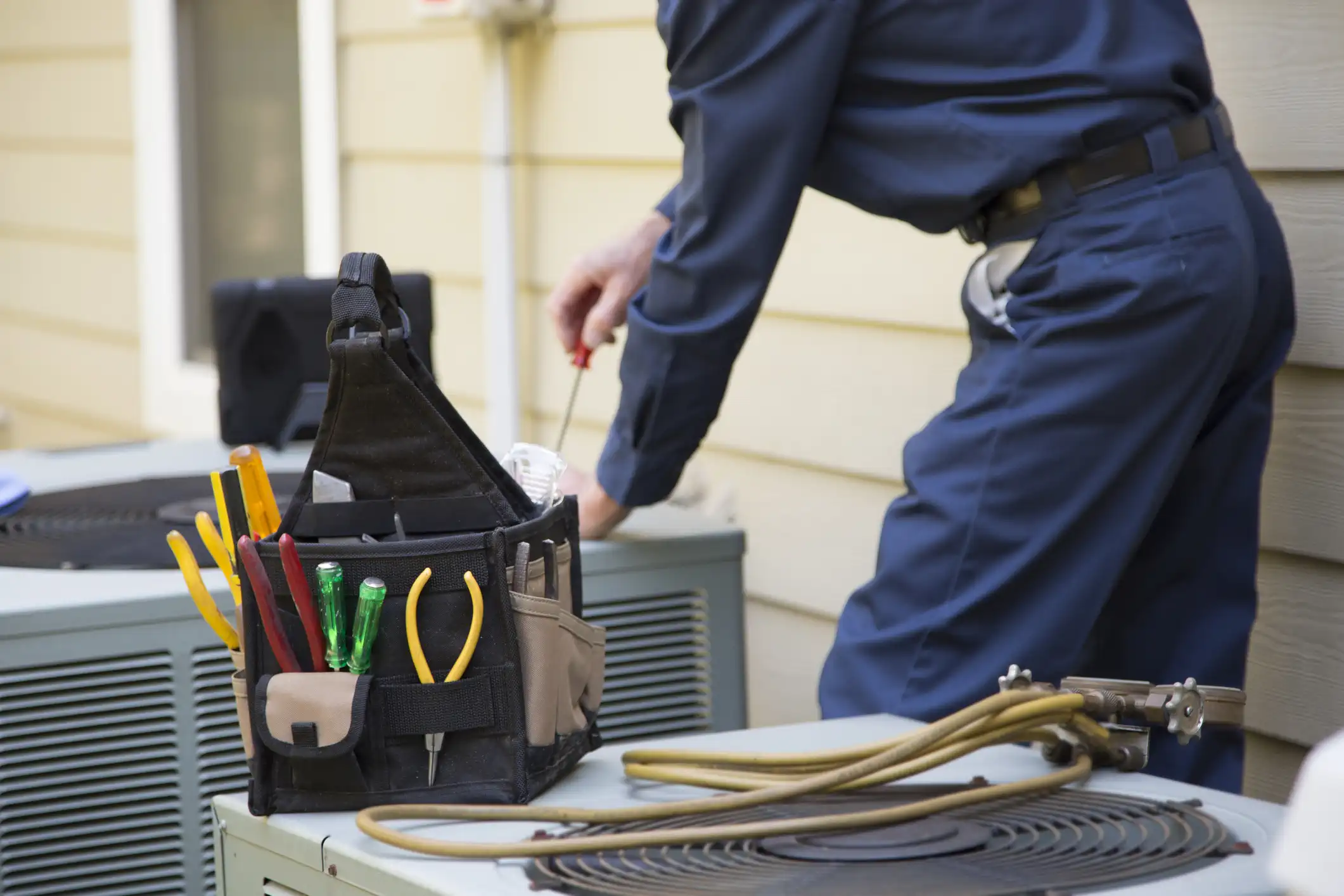
- Initial Assessment and Safety Check: The process begins with a complete visual inspection of the unit and the surrounding area. Technicians check for obvious signs of damage, such as rusted panels, oil stains indicating leaks, or debris blocking the outdoor unit. We also verify that the area around the condenser is clear to allow for proper airflow. Safety controls are tested immediately to ensure the system will shut down properly in the event of a malfunction.
- Cleaning and Debris Removal: Once the assessment is complete, we move to the cleaning phase. This involves removing the cabinet panels to access the interior components. We remove leaves, grass clippings, and other organic matter that may have collected inside the unit. The blower wheel is inspected and cleaned if necessary, as dust buildup here can significantly reduce air volume delivery. We also apply non-corrosive chemical cleaners to the coils to break down grime without damaging the delicate aluminum fins.
- Lubrication and Mechanical Adjustment: Moving parts create friction, and friction creates heat and wear. We apply high-grade lubricants to motors and bearings where applicable to ensure smooth operation. We also inspect the fan belts for signs of cracking or stretching. If a belt is loose, it is tightened to the correct tension; if it is worn, we will recommend a replacement before it snaps.
- Electrical Diagnostics: This step involves using multimeters to check the electrical health of the system. We tighten all wire connections, inspect the contactor for pitting or burning, and test the capacitors. We also check the compressor’s starting capabilities. If the compressor is struggling to start, it is a leading indicator of potential failure, and catching this early allows for preventative measures.
- Final Performance Testing: After cleaning and adjustments are made, the system is reassembled and powered on. We monitor the system through a full cooling cycle. This includes measuring the temperature drop across the evaporator coil (the difference between the air entering the return and the air leaving the supply vents). A specific temperature split indicates the system is cooling effectively. We also verify that the thermostat cycles the unit off when the target temperature is reached.
Deciding Between Maintenance, Repair, or Replacement
While routine maintenance can prevent the majority of cooling issues, there comes a point in the lifecycle of every HVAC system where a decision must be made regarding its future. Understanding the difference between a system that needs a tune-up, one that requires repair, and one that should be replaced is vital for financial planning.
When Maintenance is Sufficient:
If your system is under ten years old and generally cools your home well but has seen a slight increase in energy usage, a maintenance tune-up is usually all that is required. Regular service in these scenarios restores lost efficiency and prevents the development of larger issues. If the unit is relatively new and still under a manufacturer’s warranty, professional maintenance is often required to keep that warranty valid.
When Repair is Necessary:
Repairs are indicated when a specific component fails, but the rest of the system remains in good condition. For instance, a failed capacitor or a burnt-out contactor are relatively inexpensive fixes that do not condemn the entire unit. If the system is mid-life (10-12 years) and the cost of the repair is reasonable—typically less than 50% of the value of the equipment—repairing the unit is a sound investment. Strange noises, such as rattling or buzzing, usually indicate a specific part that needs tightening or replacement rather than a full system failure.
When Replacement Beats Repair:
Replacement becomes the smarter financial option when the system approaches or exceeds 15 years of age. At this stage, efficiency levels are significantly lower than modern standards, meaning you are paying more for electricity every month than necessary. If the system utilizes R-22 refrigerant (an older type that is being phased out and is expensive to replenish), a major leak often signals the end of the unit's viable life. Additionally, if the cost of a required repair approaches 50% of the cost of a new system, or if you are facing frequent, cumulative repairs, investing in a new, high-efficiency unit will offer a better return on investment through lower utility bills and improved reliability.
Regional Factors Affecting AC Performance
Operating an air conditioning system in this region presents specific challenges that generic maintenance guidelines may not address. The local climate significantly influences how often maintenance is needed and what specific tasks must be prioritized.
Humidity Management:
High humidity is a persistent factor in our area. Your air conditioner acts as a dehumidifier while it cools. If the humidity levels inside your home remain high despite the AC running, it indicates the system is not running long enough to remove moisture or the coil is dirty. Maintenance checks specifically focus on the condensate drain system to ensure it can handle the heavy volume of water generated during humid days. Algae growth in drain lines is accelerated in our climate, making chemical treatment of the line a mandatory part of our service.
Debris and Urban Pollution:
For homes located near urban centers or areas with heavy vegetation, the outdoor condenser unit is constantly under assault from pollutants and organic debris. Cottonwood, pollen, and dust can create a felt-like mat over the condenser coil. This "blanket" suffocates the unit, preventing it from releasing heat. In our region, checking and cleaning the outdoor unit is critical after the spring pollen season to ensure the system can breathe during the peak summer heat.
Seasonality and Timing:
The best time to perform maintenance is before the first heatwave hits. Once temperatures spike, systems that have been dormant all winter are suddenly pushed to maximum capacity. This is when weak capacitors fail and motors overheat. Scheduling maintenance in the early spring ensures your system is road-ready before the heavy load begins. It also ensures you aren't waiting for service during the busiest time of the year when emergency calls take precedence.
Permits and Efficiency Standards:
While standard maintenance does not typically require a permit, if a significant repair or replacement is identified during the inspection, local codes come into play. We ensure that any work performed adheres to local energy efficiency standards and safety codes. This includes proper refrigerant handling and disposal protocols, which are strictly regulated to protect the environment.
Why Professional Maintenance Outperforms DIY Attempts
In an era of instructional videos, many homeowners are tempted to tackle AC maintenance themselves. However, true HVAC maintenance requires specialized tools, certifications, and knowledge that go beyond washing a filter.
Specialized Diagnostic Tools:
Our technicians utilize industrial-grade tools that are not standard in a homeowner's toolbox. This includes refrigerant manifolds to measure internal pressures, psychrometers to measure wet-bulb and dry-bulb temperatures, and anemometers to measure airflow velocity. These tools provide a data-driven picture of the system's health that cannot be seen with the naked eye.
Refrigerant Handling:
Handling refrigerant requires EPA certification. It is illegal and dangerous for uncertified individuals to vent or handle refrigerants. If a system is low on charge, simply adding more without fixing the leak is a violation of regulations and ineffective. Professionals know how to locate leaks, repair them, and recharge the system to the precise manufacturer specifications.
Electrical Safety and Expertise:
HVAC systems involve high-voltage electricity. Working on these components without proper training carries a risk of severe injury or electrocution. Furthermore, misdiagnosing an electrical issue can lead to fire hazards. A professional understands how to safely isolate power and test components without risk to the home or its occupants.
Comprehensive System Knowledge:
A certified technician understands the interplay between the furnace/air handler and the outdoor AC unit. They can identify how a dirty blower wheel in the furnace impacts the efficiency of the outdoor compressor. This holistic view ensures that the entire HVAC system works in harmony, rather than treating components in isolation.
Reliable cooling is not a luxury; it is a necessity for comfort and safety during the summer months. By choosing professional maintenance, you are investing in the longevity of your asset and the comfort of your home. Stone Heating and Air is dedicated to providing thorough, technical service that delivers tangible results in efficiency and performance.
Ready to Optimize Your Cooling System?
Reliable cooling is not a luxury; it is a necessity for comfort and safety during the summer months. By choosing professional maintenance, you are investing in the longevity of your asset and the comfort of your home. Stone Heating and Air is dedicated to providing thorough, technical service that delivers tangible results in efficiency and performance.
Ensure your air conditioner is prepared for the heat. Schedule your professional maintenance service today to improve efficiency and prevent unexpected breakdowns.
- Book Expert Service Or Contact Us