

When your HVAC system stops heating, won't cool, or starts making alarming noises, you need a technician who can diagnose the actual problem — not someone who replaces parts until something works. Misdiagnosis wastes your money and leaves you uncomfortable. Stone Heating & Air provides accurate, efficient HVAC repair in Grants Pass, OR, for all system types and brands.
We find the problem fast and fix it right:
- Detailed diagnostics using pressure testing and electrical analysis.
- Heating and cooling component repair and replacement.
- Thermostat, airflow, and ductwork troubleshooting.
- Emergency HVAC repair for urgent failures. Call Stone Heating & Air at (541) 855-5521 or schedule HVAC repair in Grants Pass today.
Immediate HVAC Repair Protocols and Scope of Service
When an HVAC system fails, the priority is accurate identification of the fault followed by a definitive repair. Modern heating and cooling equipment involves complex electrical, mechanical, and refrigerant systems. A breakdown rarely has a single cause; often, a minor component failure triggers a chain reaction that shuts down the unit to protect the compressor or heat exchanger.
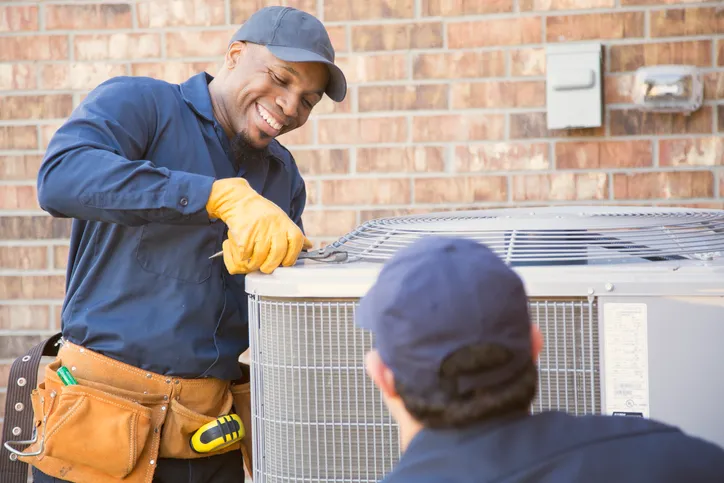
Upon arrival, technicians focus on the immediate restoration of airflow and temperature control. The scope of repair services covers the entire lifespan of the unit, from the thermostat on the wall to the condenser unit outside. Addressing issues early prevents catastrophic failure. Common immediate repair scenarios include identifying electrical shorts, replacing failed capacitors, and sealing refrigerant leaks that compromise system pressure.
Cooling System Failure Points
During the intense dry heat typical of the region, air conditioning units operate under high stress. The most frequent points of failure require specific technical interventions:
- Compressor Malfunctions: The compressor is the heart of the AC unit. Hard starting, where the unit struggles to turn on, often indicates a failing capacitor or a seized motor. technicians utilize diagnostic tools to measure amperage draw and electrical continuity to determine if the part can be saved or requires replacement.
- Refrigerant Leaks: A system low on refrigerant cannot cool effectively and will eventually freeze over. Simply adding more fluid is not a solution. The leak must be located using electronic detectors or UV dye, brazed or sealed, and then recharged to manufacturer specifications.
- Frozen Evaporator Coils: Restricted airflow due to dirty filters or blocked ducts causes coils to freeze. This blocks heat transfer and can damage the compressor. Service involves thawing the system safely, cleaning the coils, and verifying proper static pressure in the ductwork.
- Electrical Component Failure: Contactors, relays, and capacitors degrade over time due to heat and vibration. Replacing these inexpensive parts promptly ensures the high-voltage components function correctly.
Heating System Critical Repairs
While winters may be milder compared to other regions, a functioning heater is non-negotiable during wet, chilly months. Repair protocols for furnaces and heat pumps differ significantly but share the goal of safety and efficiency.
- Ignition Control Issues: For gas furnaces, failing igniters or pilot lights prevent the burners from firing. Technicians troubleshoot the sequence of operation to ensure the flame sensor and control board are communicating correctly.
- Heat Exchanger Integrity: A cracked heat exchanger poses a carbon monoxide risk. Visual inspection and combustion analysis are performed to ensure the unit is safe to operate. If a crack is found, immediate shutdown and repair or replacement is mandated by safety codes.
- Heat Pump Reversing Valves: In heat pump systems, the reversing valve switches the unit between heating and cooling modes. If this valve sticks, the system is locked in one mode. Replacement requires recovering the refrigerant and brazing in a new valve.
The Repair Process Explained
Professional HVAC repair follows a structured, logical process to ensure no underlying issues are missed. This systematic approach reduces the likelihood of callbacks and ensures the root cause is addressed, rather than just the symptom.
- Initial Diagnostic and Safety Check: The process begins with a complete system evaluation. Technicians inspect the thermostat, check air filters, and measure temperature differentials (Delta T) to understand how the system is currently performing versus how it should perform. Safety switches and breakers are tested to rule out simple electrical trips.
- Component Isolation and Testing: Once the general area of failure is identified, specific components are isolated. Multimeters are used to check voltage, resistance, and capacitance. Gauges measure superheat and subcooling levels to assess the refrigeration cycle. This data-driven approach removes guesswork.
- Quotation and Authorization: Before any wrench is turned, you receive a detailed explanation of the problem and a flat-rate quote for the repair. This transparency ensures you understand the cost and scope of work involved, including parts and labor.
- Execution of Repair: Technicians carry a "truck stock" of common parts to facilitate same-day repairs. Whether it is replacing a blower motor or soldering a copper line set, the repair is performed according to industry best practices and local building codes.
- System Validation and Testing: After the repair is complete, the system is not just turned on; it is tested under load. Technicians monitor the system through a full cycle to verify that the repair holds, airflow is correct, and the unit cycles off appropriately when the set temperature is reached.
- Site Cleanup and Documentation: Work areas are cleaned, and old parts are removed — browse our project gallery. You receive documentation of the work performed, which is essential for maintaining manufacturer warranties and for future reference regarding the unit’s history.
Making the Call: Repair vs. Replacement
Deciding whether to pour more money into an aging system or invest in a new unit is a financial and practical calculation. While Stone Heating and Air prioritizes repair whenever feasible, there is a mathematical tipping point where replacement becomes the more economical choice.
The Age and Cost Formula
Industry professionals often use the "50% Rule" or the "5,000 Rule." If the cost of the repair equals 50% of the value of a new system, replacement is generally recommended. Alternatively, multiply the age of the unit by the repair cost; if the total exceeds $5,000, investment in a new unit yields better returns.
Efficiency Ratings (SEER2 and HSPF2)
Older units often operate at 10 to 12 SEER (Seasonal Energy Efficiency Ratio). Modern standards require significantly higher efficiency, often starting at 14.3 SEER2 or higher. Replacing a 15-year-old unit with a modern, high-efficiency system can reduce monthly energy consumption by 30% to 50%. This operational savings can offset the monthly cost of a financed new system.
Refrigerant Availability
Older air conditioners utilize R-22 (Freon), which has been phased out due to environmental regulations. Supplies of R-22 are dwindling and extremely expensive. If an older R-22 unit develops a major leak or compressor failure, investing in a repair is often throwing money away. New systems use R-410A or A2L refrigerants, which are compliant with current standards and cheaper to service.
Frequency of Breakdowns
If a system has required multiple repairs over the last two years, it has likely entered the "breakdown phase" of its lifecycle. Continuing to patch a dying system results in cumulative costs that exceed the price of a new installation, without the benefit of a new warranty.
Regional Considerations for Grants Pass Homeowners
The specific climate and regulatory environment in Southern Oregon dictate how HVAC systems should be maintained and repaired. The Mediterranean climate, characterized by hot, dry summers and mild, wet winters, places unique demands on equipment.
- Humidity Control and Drainage: While summers are dry, the shoulder seasons and winters are wet. Proper condensate drainage is critical. Blocked drain lines can cause water damage to the home's infrastructure. Technicians ensure condensate traps are primed and drain lines are clear to handle moisture removal effectively.
- Wildfire Smoke and Air Quality: The region is susceptible to wildfire smoke in late summer. This requires high-performance filtration. Standard fiberglass filters are insufficient. Repairs often include upgrading filter cabinets to accommodate MERV 13 or higher media filters to protect indoor air quality and prevent ash from fouling the blower motor and coils.
- Heat Pump Efficiency: Due to the mild winter temperatures, heat pumps are exceptionally efficient in this area. However, they rely on unrestricted airflow. technicians pay close attention to the outdoor unit's placement and cleanliness, as debris from local vegetation can choke the system and reduce heating capacity.
- Energy Trust of Oregon Incentives: Local utility programs often provide cash incentives for upgrading to energy-efficient equipment. When a repair is too costly, these incentives can make the transition to a new system more affordable. Professional service providers are well-versed in these programs and can guide you toward qualifying equipment.
- Permitting and Code Compliance: Major repairs involving gas lines or structural changes, and all system replacements, typically require permits in Grants Pass. Adhering to these codes ensures that the work is safe, insurable, and will not cause issues during a future home sale.
Why Choose Professional Licensing and Certification
The HVAC industry is unregulated in some aspects of general maintenance, but critical repairs require licensed professionals. Attempting DIY repairs or hiring unlicensed handymen for high-voltage or gas-related work poses severe safety risks and liabilities.
- Manufacturer Warranty Compliance: Most equipment manufacturers explicitly state that warranties are void if repairs are not performed by a licensed HVAC contractor. Professional service ensures that your parts warranty remains valid.
- Safety Protocols: Handling 240-volt electricity, natural gas, and high-pressure refrigerants requires specific training. Certified technicians follow strict lockout/tagout procedures and safety protocols to protect your home and family from electrical fires, gas leaks, and carbon monoxide exposure.
- Proper Tooling and Diagnostics: accurately diagnosing a variable speed motor or a smart thermostat communication error requires proprietary diagnostic tools and software. Professional trucks are equipped with advanced manifold gauges, combustion analyzers, and psychrometers that allow for precise tuning of the system.
- Insurance and Liability: Licensed contractors carry general liability and workers' compensation insurance. This protects the homeowner from being sued if an injury occurs on the property during the repair process.
Your home comfort system is a significant investment. Ensuring it is serviced by qualified experts guarantees optimal performance and longevity — see our customer reviews.
Restore Your Comfort and Efficiency Today
A malfunctioning HVAC system disrupts your daily life and compromises your home's safety. Whether you are dealing with a mid-summer cooling failure or a heating issue during the rainy season, waiting often leads to more extensive damage and higher costs. Professional diagnosis and repair provide a clear path forward, restoring your indoor environment to the temperature you expect.
Do not let a breakdown dictate your comfort. Secure a comprehensive system evaluation and get your heating and cooling equipment back on track.
Contact us immediately to schedule your repair service.
- Book Expert Service Or Contact Us