
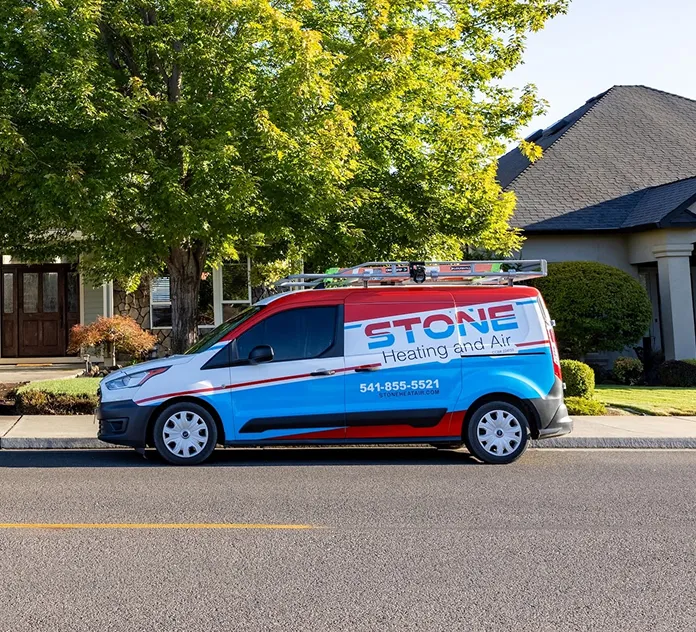
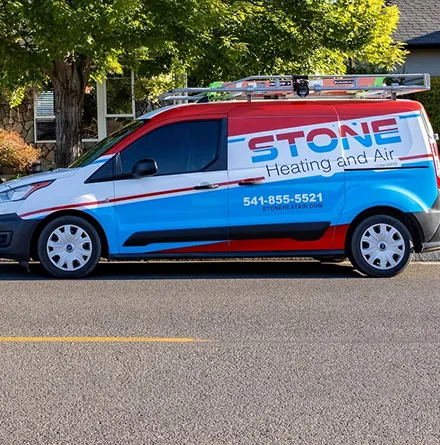

When your heater stops working — no heat, cold air from vents, or a system that won't stay on — every hour without warmth makes your home more uncomfortable and your pipes more vulnerable. Heating failures demand fast, accurate repairs, not trial and error. Stone Heating & Air provides reliable heating repair in Grants Pass, OR, to restore warmth quickly and safely.
We diagnose the real problem and fix it right:
- Furnace and heat pump troubleshooting for all major brands.
- Ignitor, flame sensor, and blower motor replacement.
- Gas valve and thermocouple inspection and repair.
- Emergency heating repair when you can't afford to wait. Call Stone Heating & Air at (541) 855-5521 or schedule heating repair in Grants Pass today.
Comprehensive Heating Repair and Diagnostic Services
When you request a service call, the immediate goal is identifying the root cause of the failure rather than just treating the symptom. Heating systems are complex appliances involving high-voltage electricity, combustible gases, and pressurized airflow. A noise or a lack of heat is often just the surface indicator of a mechanical or electrical fault deep within the cabinet.
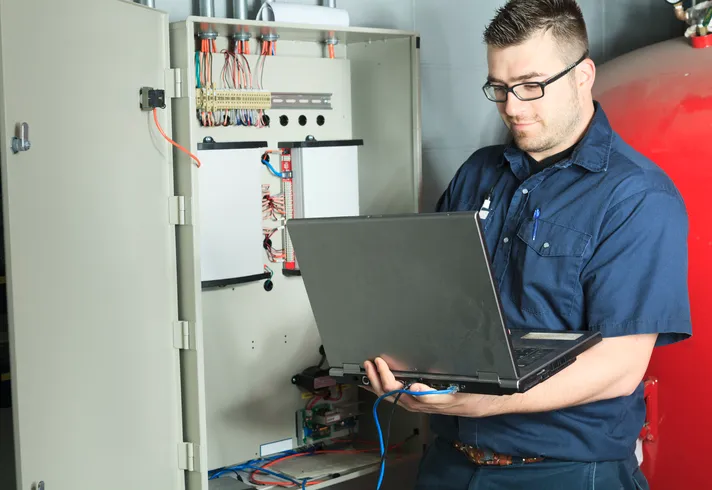
Thorough System Diagnostics
Upon arrival, a technician performs a complete safety and performance evaluation. This is not a cursory glance; it involves testing the sequence of operation from the thermostat call to the blower motor engagement.
- Ignition Systems: Technicians inspect hot surface ignitors and spark ignition modules, which are common failure points in modern furnaces.
- Airflow Analysis: Restricted airflow causes overheating and short cycling. We inspect filters, blower wheels, and duct static pressure.
- Safety Switch Testing: Limit switches, rollout switches, and pressure switches are tested to ensure they are functioning correctly and not tripping due to dangerous conditions like a cracked heat exchanger.
- Electrical Connections: Loose wiring or corroded contacts, often exacerbated by the humidity in Oregon, are tightened or replaced to prevent intermittent failures.
Repairs for All Heating System Types
The region utilizes a mix of heating technologies. Your service covers the full spectrum of equipment found in local homes.
- Gas and Electric Furnaces: Addressing issues with gas valves, burners, flame sensors, and electric heating elements.
- Heat Pumps: Troubleshooting reversing valves, defrost boards, and refrigerant levels, which is critical for efficiency in our specific climate.
- Dual Fuel Systems: Managing the complex hand-off between electric heat pumps and gas furnace backups during extreme cold.
The Heating Repair Process: What to Expect
Understanding the workflow of a repair visit helps alleviate the stress of a breakdown. The process is designed to be efficient, respectful of your property, and clear regarding costs.
Step 1: Scheduling and Arrival
The process begins when you reach out regarding a performance issue. Dispatchers prioritize calls based on urgency, particularly during freezing weather. You receive a notification when the technician is en route to your property in Grants Pass or the surrounding areas.
Step 2: Diagnosis and Explanation
Once on-site, the technician respects your home by using shoe covers and floor mats. They proceed to the equipment to perform the diagnostic tests.
- The technician isolates the issue using multimeters, manometers, and combustion analyzers.
- They document the findings, often showing you the failed part or explaining the reading that indicates the failure.
- You receive a clear explanation of why the part failed, not just that it failed.
Step 3: Upfront Quoting
Before any wrench is turned for the actual repair, you are presented with a firm quote.
- The quote includes all parts and labor required to complete the job.
- There are no hourly surprises; the price remains the same regardless of how long the specific repair takes.
- You have the option to approve or decline the work before proceeding.
Step 4: Execution and Testing
Stone Heating and Air technicians carry a wide inventory of universal parts.
- If the part is on the truck, the repair is performed immediately.
- After the new component is installed, the system is not just turned on; it is cycled through a full run-time to ensure the fix holds and the system operates safely.
- Carbon monoxide checks are performed for gas equipment to ensure safe combustion.
Step 5: Cleanup and Documentation
The work area is cleaned, and old parts are removed. You receive a digital or physical invoice detailing the work performed and the warranty coverage on the new parts.
Determining When to Repair vs. Replace
One of the most difficult decisions homeowners face is whether to pour money into an aging unit or invest in a new system. This decision should be based on data and financial logic, not sales pressure.
The Age and Cost Equation
Industry standards suggest using the "50% Rule." If the cost of the repair approaches 50% of the value of a new system, replacement is generally the wiser financial move. Additionally, age is a major factor.
- Furnaces under 10 years old: Repair is almost always the correct choice unless the heat exchanger is compromised.
- Furnaces over 15 years old: Major repairs (like blower motors or control boards) may be throwing good money after bad.
- Heat Pumps over 12 years old: Compressor failures or major refrigerant leaks usually signal the end of the unit's useful life.
Frequency of Breakdowns
If you have required repairs more than twice in the last two years, your system is becoming unreliable. "Nickel and diming" repairs add up quickly, often exceeding the monthly cost of financing a new, high-efficiency unit.
Rising Energy Bills
As heating systems age, they lose efficiency. Motors drag, heat exchangers foul, and compressors wear out. If your utility bills have spiked despite normal usage, the equipment is likely working twice as hard to produce the same amount of heat. In this scenario, replacement offers a return on investment through monthly savings.
Safety Concerns
Safety is the absolute dealbreaker.
- Cracked Heat Exchangers: This can leak carbon monoxide into the living space. This is a non-negotiable red tag situation where the furnace must be shut down immediately.
- Electrical Hazards: Systems with severe wire degradation or recurring shorts pose a fire risk.
Local Considerations for Heating in the Rogue Valley
Operating a heating system in Southern Oregon requires attention to specific regional factors. The climate and local infrastructure influence how systems degrade and what maintenance is required.
Dealing with Humidity and Oxidation
While summers are dry, our winters are wet. Heating systems located in unconditioned spaces, like garages or crawl spaces common in the area, are subject to high humidity. This accelerates rust on burners and oxidation on electrical contacts. Regular flame sensor cleaning and electrical inspections are vital in this region to prevent ignition failures.
Heat Pump Defrost Cycles
Because our winter temperatures often hover just above or below freezing with high moisture content, heat pumps enter "defrost mode" frequently. Residents often mistake the steam rising from the outdoor unit or the temporary noise for a malfunction. However, if the unit stays stuck in defrost or fails to melt the ice, professional intervention is required immediately to prevent compressor damage.
Permits and Regulations
For standard repairs, permits are generally not required. However, if the scope of work escalates to replacing a heat exchanger, altering gas lines, or modifying electrical circuits, local building codes come into play. Professional providers handle all necessary permitting with local municipalities to ensure your home insurance remains valid and the work meets safety standards.
Rebates and Incentives
When repairs transition into replacements or major upgrades, local entities like the Energy Trust of Oregon often offer cash incentives for high-efficiency upgrades. A knowledgeable service provider can guide you on which repairs or upgrades qualify for current rebate programs, potentially offsetting your costs.
Why Professional Diagnostics Beat DIY
In the age of online tutorials, it is tempting to attempt heating repairs yourself. However, modern heating systems are integrated with proprietary logic boards and safety sensors that require specific interpretation.
The Risk of Misdiagnosis
Replacing parts based on a guess often leads to wasted money. For example, a furnace failing to ignite could be a bad ignitor, but it could also be a bad board not sending voltage, or a pressure switch cutting power due to a blocked flue. Swapping the ignitor won't fix a blocked flue, and ignoring the blockage could be dangerous.
Warranty Preservation
Most equipment manufacturers require proof of professional maintenance and repair to honor parts warranties. DIY repairs, even if successful, can void the remaining warranty on your expensive equipment.
Tool Specialization
Properly checking refrigerant levels requires EPA certification and specialized gauges. accurately measuring gas pressure requires calibrated manometers. Testing a capacitor requires a multimeter capable of reading microfarads. Professionals arrive with thousands of dollars in specialized tools to ensure the job is done according to engineering specifications.
Restore Your Comfort Today
A broken heater disrupts your life and endangers your home during the freezing months. You do not need to wait for business days or navigate vague arrival windows. You need a team that understands the urgency of the situation and has the technical capability to resolve it immediately.
We prioritize getting your system running safely and efficiently. From minor electrical fixes to major component replacements, the focus is always on the long-term reliability of your heating system. Don't let a cold house compromise your safety.
Call now to schedule your heating repair service.
- Book Expert Service Or Contact Us