

Getting a new HVAC system installed correctly is the difference between 15 years of reliable comfort and years of problems, callbacks, and wasted energy. Improper sizing, bad ductwork connections, and rushed installs plague the industry. Stone Heating & Air provides professional HVAC installation in Grants Pass, OR, with precision sizing and expert craftsmanship.
We build your comfort system to perform for the long haul:
- Full load calculations for accurate heating and cooling system sizing.
- Expert installation of furnaces, air conditioners, and heat pumps.
- Ductwork design, modification, and connection verification.
- Complete system testing before we consider the job finished. Call Stone Heating & Air at (541) 855-5521 or schedule your free estimate in Grants Pass today.
Comprehensive HVAC Installation Solutions
Securing a new HVAC system is a significant investment in your property and your comfort. When you choose professional installation, you are purchasing more than a metal box; you are purchasing the correct calculation, implementation, and calibration required to heat and cool your specific square footage. In Grants Pass, where summers are dry and hot and winters bring significant moisture, the correct setup is vital for handling the Mediterranean climate swings.
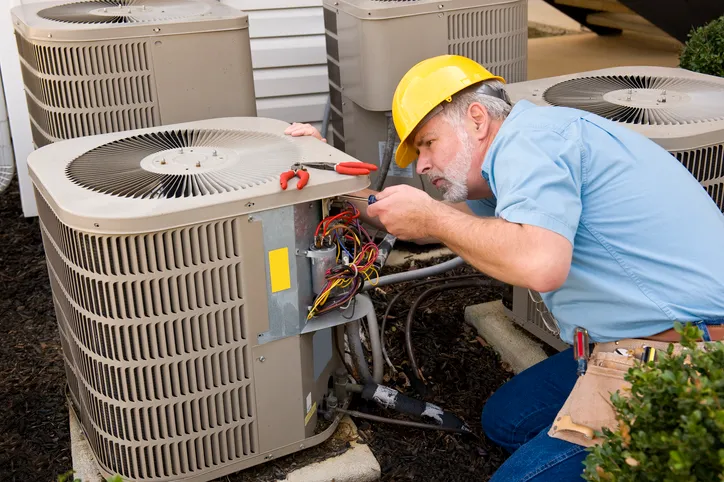
A complete installation project covers every aspect of the transition from your old unit to the new system. This includes the safe removal and disposal of the existing equipment, ensuring that all refrigerants and materials are handled according to EPA regulations. The service scope extends to inspecting your current infrastructure. New high-efficiency units often require modifications to ductwork, electrical connections, or gas lines to function safely and correctly.
We focus on the technical details that impact performance. This means verifying that the airflow matches the manufacturer's specifications and that the static pressure within the ducts is within an acceptable range. If these elements are ignored, even the most expensive brand-new system will suffer from reduced lifespan and poor efficiency. You receive a turnkey solution where the workspace is left clean, the system is fully tested, and you are trained on how to operate your new thermostat and equipment.
Understanding the Installation Process
Knowing what to expect on installation day helps alleviate the anxiety associated with home improvement projects. We utilize a systematic approach to ensure that your home is respected and the job is completed efficiently.
- Site Assessment and Sizing: The process begins before the truck arrives. A technician performs a load calculation, often referred to as a Manual J calculation. This determines the exact heating and cooling output required for your home based on insulation levels, window placement, and square footage. Guessing on size leads to "short-cycling" (units that turn on and off too fast) or units that run constantly without reaching the set temperature.
- Protection and Preparation: Upon arrival, the installation team prepares the work area. This involves laying down drop cloths to protect flooring and clearing the path to the furnace or air handler. Safety is the priority here, as gas lines and high-voltage electricity are turned off to ensure a secure working environment.
- Removal of Existing Equipment: The old system is disconnected. This is a critical step where technicians check the condition of the plenum (the box connecting the unit to the ducts) and the base. Any signs of mold, rust, or structural damage are addressed before the new unit is set in place.
- Equipment Positioning and Connection: The new indoor and outdoor units are positioned. For outdoor condensers or heat pumps, this means ensuring the pad is level and has proper clearance for airflow. Inside, the furnace or air handler is sealed tightly to the ductwork to prevent air leaks. Refrigerant lines are brazed (soldered) with nitrogen flowing through them to prevent oxidation, a technical detail that prevents future compressor failure.
- Electrical and Drainage Integration: New systems often communicate differently than older ones. Wiring is updated to accommodate smart thermostats and modern control boards. Condensate drain lines are installed with safety switches that shut the system down if a backup occurs, preventing water damage to your ceilings or floors.
- System Charging and Commissioning: Once connected, the system is pressure-tested for leaks. A vacuum pump removes moisture and air from the lines before the refrigerant is released. The system is then "commissioned," meaning it is fired up and measured against factory benchmarks for temperature split (the difference between air going in and air coming out) and amperage draw.
Deciding Between Repair and Replacement
Determining whether to sink more money into an aging unit or invest in a replacement is a common dilemma. While repairs are often the lower upfront cost, they can become a financial drain if the system is nearing the end of its useful life.
- Age of the Equipment: Most heat pumps and air conditioners have a lifespan of 10 to 15 years, while furnaces may last 15 to 20 years. If your equipment is in the double digits, parts are becoming obsolete, and efficiency has likely degraded significantly.
- Frequency of Breakdowns: If you have required repairs more than once in the last two seasons, the system is becoming unreliable. The "50% Rule" is a helpful metric: if the cost of the repair is 50% of the cost of a new system, replacement is the smarter financial move.
- Rising Energy Bills: As internal components wear out, motors work harder, and coils become less effective at heat transfer. If your utility bills in Grants Pass are climbing despite normal usage, your system is losing efficiency (SEER/HSPF rating). Newer systems adhere to SEER2 standards, which can drastically lower monthly operational costs.
- Comfort and Air Quality Issues: Old systems often struggle to maintain even temperatures, leading to hot and cold spots in different rooms. Additionally, if the heat exchanger in a furnace is cracked, it poses a serious carbon monoxide risk. If humidity levels are uncontrolled or the system is noisy, replacement offers an immediate upgrade in quality of life.
System Options and Energy Efficiency
Modern HVAC technology offers various configurations to suit different home structures and heating needs. Choosing the right type of system ensures you are not overpaying for capacity you don't need or under-equipping a large home.
- Split Systems: This is the most common setup, featuring an outdoor component (AC or heat pump) and an indoor component (furnace or air handler). It utilizes a duct network to distribute air. This is ideal for homes with existing ductwork in good condition.
- Packaged Units: In some homes, typically those with crawl spaces or flat roofs, the heating and cooling components are housed in a single cabinet outside. This saves indoor space and simplifies installation in specific architectural designs.
- Heat Pumps: Given the mild winters in our region, heat pumps are an incredibly efficient choice. They move heat rather than generate it, acting as an air conditioner in the summer and reversing the cycle to warm the home in the winter. Modern cold-climate heat pumps remain effective even when temperatures drop near freezing.
- Ductless Mini-Splits: For additions, garages, or older homes without ductwork, ductless systems provide targeted comfort. They are highly efficient because there is no energy loss through leaky ducts. Each room can have its own thermostat, allowing for zoning.
- SEER2 and HSPF2 Ratings: Understanding efficiency ratings is crucial for ROI. SEER2 (Seasonal Energy Efficiency Ratio) measures cooling efficiency, while HSPF2 (Heating Seasonal Performance Factor) measures heating efficiency. Higher numbers indicate better efficiency. Federal regulations have recently updated these standards to ensure new installations meet stricter energy-saving criteria.
Local Considerations for Grants Pass Homeowners
Installing HVAC equipment involves navigating local building codes and understanding regional utility requirements. Compliance ensures the safety of your home and the validity of your insurance.
- Permitting and Inspections: In Grants Pass and Josephine County, replacing a furnace, heat pump, or air conditioner is a regulated activity requiring a mechanical permit. This ensures that the gas piping, electrical connections, and venting meet current safety codes. We handle the permit application and scheduling of the final inspection to ensure your installation is fully compliant with city and county regulations.
- Climate-Specific Tuning: Our region experiences a "Mediterranean" climate pattern. This means summers can see sustained highs, requiring a system with adequate cooling capacity to dehumidify the home effectively. Conversely, winters are wet. Heat pumps installed here must have correctly functioning defrost boards and must be elevated on snow legs (risers) to prevent snow or ice accumulation from blocking airflow, ensuring the unit can breathe during damp, cold months.
- Utility Rebates and Incentives: Several programs incentivize high-efficiency upgrades. The Energy Trust of Oregon often provides cash incentives for installing equipment that meets specific tier requirements. Additionally, federal tax credits under the Inflation Reduction Act may apply to heat pumps and high-efficiency furnaces. We assist in identifying which equipment qualifies for these savings to maximize your investment.
Why Professional Execution Matters
The most important day in the life of your heating and cooling system is the day it is installed. Industry studies suggest that a large percentage of HVAC systems are improperly installed, which can reduce efficiency by up to 30%. Poor installation practices, such as improper refrigerant charging or leaky duct connections, negate the benefits of buying a high-end unit.
We prioritize technical precision. Our technicians are trained to adhere to strict manufacturer guidelines regarding line set length, electrical voltage, and airflow measurements. We also respect your property. Drop cloths, shoe covers, and thorough cleanup are standard protocols. You are not just paying for labor; you are paying for the assurance that the system will operate safely and reliably for years to come.
Stone Heating and Air commits to a transparent process where you understand exactly what is being installed and how to maintain it. We verify that your thermostat is compatible and calibrated, your registers are open and flowing, and your maintenance questions are answered before we leave the driveway.
Secure Your Comfort Today
Waiting for a total system failure puts you at the mercy of the weather and emergency scheduling availability. Proactive installation allows you to choose the system that best fits your budget and efficiency goals rather than settling for what is available during a crisis.
Upgrade your home’s efficiency and reliability with a professional installation designed for the Grants Pass climate.
Contact us now to schedule your free estimate and take the first step toward consistent, reliable indoor comfort.
- Book Expert Service Or Contact Us