

A new heating system is a major investment — and getting the installation wrong means poor performance, higher bills, and a shorter equipment lifespan. Oversized furnaces short-cycle and waste fuel, while undersized units run constantly without warming your home. Stone Heating & Air provides professional heating installation in Grants Pass, OR, with proper sizing and expert setup.
We make sure your new system delivers from day one:
- Heat load calculations to match the right system to your home.
- Furnace and heat pump installation for all major brands.
- Ductwork evaluation and modification for optimal airflow.
- Full system testing and performance verification after install. Call Stone Heating & Air at (541) 855-5521 or schedule your free estimate in Grants Pass today.
What to Expect From Professional Heating Installation
When you invest in a new heating system, you are purchasing more than just a piece of machinery; you are securing the infrastructure that keeps your home habitable during the cold, wet months in Grants Pass. A professional installation encompasses a comprehensive service that bridges the gap between a cold house and a perfectly climate-controlled environment.
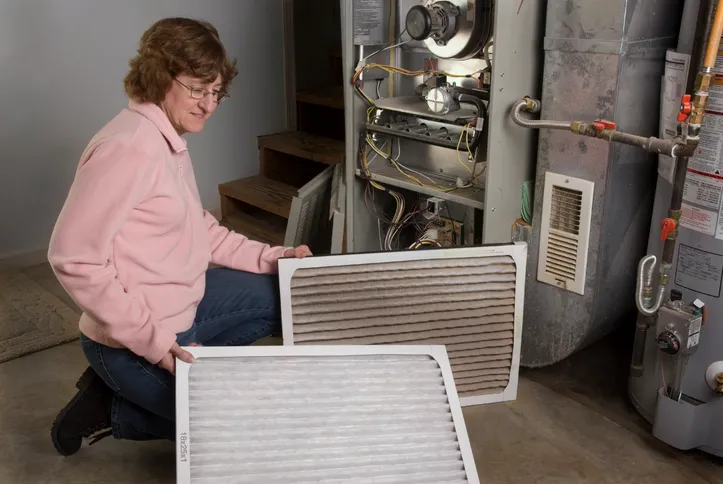
The scope of a modern heating installation involves much more than swapping out a box. It begins with a rigorous assessment of your home’s thermal characteristics. Technicians look at the insulation levels, window quality, and square footage to determine the exact heating load required. Installing a unit that is too large causes "short cycling," where the system turns on and off too frequently, wearing out parts and spiking energy bills. Conversely, a unit that is too small will run continuously without ever reaching the set temperature.
Stone Heating and Air ensures that every component of the installation is handled with precision. This includes the safe removal and disposal of your old unit, ensuring no hazardous materials are left behind. The service includes the modification of existing ductwork if necessary to fit the new unit, the connection of gas or electrical lines according to strict safety standards, and the calibration of the thermostat to communicate effectively with the new hardware.
Furthermore, the installation process includes a full audit of your ventilation. In the Pacific Northwest, where moisture is prevalent, proper venting is critical to prevent carbon monoxide buildup and mold growth. You receive a system that is not only installed but optimized for airflow, fuel efficiency, and longevity.
Types of Heating Systems and Their Benefits
Choosing the right equipment is the first step in the installation process. Homeowners have several options, each with specific advantages depending on the existing infrastructure of the home and fuel availability — view our FAQs for common questions.
- Gas Furnaces: These are the most common heating systems. They burn natural gas or propane to generate heat, which is then distributed through ductwork. Modern furnaces have high Annual Fuel Utilization Efficiency (AFUE) ratings, often converting 90% or more of the fuel into usable heat. They provide powerful, consistent heat that warms a home quickly.
- Electric Furnaces: For homes without gas lines, electric furnaces offer a viable alternative. While electricity can be more expensive than gas in some areas, these units are generally cheaper to install, last longer due to fewer moving parts, and pose no risk of carbon monoxide leaks.
- Heat Pumps: A heat pump is an excellent option for the mild but damp winters typical of Southern Oregon. Instead of generating heat, it moves heat from the outside air into your home. This process is incredibly energy-efficient. Modern heat pumps are capable of pulling heat from the air even when temperatures dip into the 20s.
- Dual Fuel Systems: This hybrid approach combines an electric heat pump with a gas furnace. The heat pump handles the heating duties during moderately cool weather, which maximizes efficiency. When the temperature drops significantly, the gas furnace takes over to provide the high-heat output needed to maintain comfort.
How the Installation Process Works
A seamless installation relies on a structured, step-by-step workflow. This ensures that no detail is overlooked and that the disruption to your daily life is minimized.
- Initial Consultation and Load Calculation: The process starts with a technician visiting your property. They perform a Manual J load calculation. This calculation considers the direction your home faces, the height of your ceilings, the type of insulation in your attic, and the number of windows. This data dictates the precise size of the heater needed.
- Selection and Quote: Based on the load calculation, you are presented with options that fit your specific needs and budget. This includes a transparent breakdown of costs, including the unit, labor, and any necessary modifications to the home’s infrastructure. Financing applications are usually handled at this stage.
- Site Preparation and Protection: On the day of installation, the crew prepares the work area. Drop cloths are laid down to protect flooring, and furniture is moved if necessary. The goal is to leave the home exactly as it was found, minus the old heater.
- Safe Removal of Old Equipment: The existing system is disconnected from power and fuel sources. If it is a gas unit, the gas line is capped for safety. The old unit is carefully removed from the premises and hauled away for recycling or proper disposal, adhering to environmental regulations.
- Installation of the New System: The new unit is positioned. If it is a furnace, it is connected to the plenum (the box that connects to the ductwork). Refrigerant lines, gas lines, and electrical wiring are connected. If it is a high-efficiency unit, new PVC venting pipes may be installed to route exhaust gases safely outside.
- Testing and Commissioning: Once connected, the system is not just turned on; it is commissioned. Technicians measure static pressure in the ducts, check the temperature rise (the difference between air entering and leaving the unit), and test for gas leaks. The thermostat is programmed and tested to ensure it triggers the heat cycles correctly.
- Final Walkthrough: The lead technician walks you through the operation of the new system. You learn how to change filters, how to operate the thermostat, and what maintenance will be required in the future.
When to Replace vs. Repair Your Heating System
Deciding between another repair bill and a full replacement is a common dilemma. While repairs can solve immediate issues, there is a tipping point where replacement becomes the more financially sound decision.
- The 50% Rule: A general industry standard is the 50% rule. If the cost of the repair approaches 50% of the value of the system (or the cost of a new unit), replacement is usually the better option. Putting half the cost of a new system into an old one that might break again in six months is rarely a good investment.
- Age of the Equipment: Furnaces typically last 15 to 20 years, while heat pumps last about 10 to 15 years. If your system is nearing or has surpassed this age range, major components like the heat exchanger or compressor are likely to fail. Replacing the unit preemptively avoids an emergency failure during a freeze.
- Rising Energy Bills: Heating systems lose efficiency as they age. Parts wear down, and the system has to work harder to produce the same amount of heat. If your utility bills have been steadily climbing despite normal usage, your system is likely wasting energy. New systems have significantly higher efficiency ratings, which can lower monthly bills immediately.
- Uneven Heating and Comfort Issues: If some rooms in your house are boiling while others are freezing, or if the house feels damp and clammy, the system is failing to distribute air or control humidity effectively. Ductwork issues combined with an aging unit often cause this. A new installation addresses both the unit and the airflow dynamics.
- Safety Concerns: Older furnaces, particularly gas units, run the risk of developing cracks in the heat exchanger. This can allow carbon monoxide to leak into the living space. If a technician identifies a cracked heat exchanger, the unit must be shut down immediately. In this scenario, replacement is the only safe option.
Local Considerations for Grants Pass Homeowners
Operating a heating system in Southern Oregon requires attention to specific regional factors. The climate and local regulations dictate how installations should be handled.
- Handling the Wet Season: Grants Pass experiences significant rainfall in the winter. This humidity can affect how your home feels. A properly sized heating system helps manage indoor humidity levels, preventing that "bone-chilling" dampness. Oversized units that short-cycle fail to dehumidify the air, leaving the home feeling cold even at higher thermostat settings.
- Permitting and Inspections: Heating installations in Grants Pass generally require a mechanical permit. This ensures that the installation meets the Oregon Residential Specialty Code. Professional installers handle the permit application process and schedule the necessary municipal inspections. This protects the homeowner from liability and ensures the system is safe.
- Department of Environmental Quality (DEQ) Standards: Oregon has strict environmental standards regarding emissions and energy efficiency. New installations often must meet specific efficiency criteria to qualify for state rebates or tax incentives. Upgrading to a high-efficiency heat pump or furnace can often trigger rebates from the Energy Trust of Oregon or federal tax credits.
- Utility Rebates and Incentives: Local utility providers frequently offer incentives for homeowners who upgrade from electric resistance heating to heat pumps, or from older gas furnaces to high-efficiency models. Your installation team can guide you toward equipment that qualifies for these financial benefits, effectively lowering the net cost of the installation.
Why Professional Execution Matters
The reliability of a heating system depends as much on the quality of the installation as it does on the brand of the equipment. A top-tier furnace installed poorly will operate less efficiently than a budget model installed perfectly — read our reviews for proof.
- Correct Sizing and Airflow: Amateur installations often skip the load calculation, leading to the sizing issues mentioned earlier. Furthermore, professional installers ensure that the ductwork can handle the airflow of the new unit. If a powerful new furnace is connected to undersized ducts, the backpressure can damage the blower motor and increase noise levels significantly.
- Safety Protocols: Dealing with natural gas, high-voltage electricity, and venting requires specialized training. A gas leak from a poor connection can be catastrophic. Improper venting can lead to carbon monoxide poisoning. Certified technicians follow rigorous safety protocols to test every connection and seal.
- Warranty Protection: Most equipment manufacturers require proof of professional installation to honor their warranties. If a homeowner attempts a DIY install or hires an unlicensed handyman, the manufacturer warranty is often voided immediately. Professional installation ensures that both the labor warranty and the manufacturer's parts warranty remain valid.
- NATE-Certified Technicians: North American Technician Excellence (NATE) certification represents the gold standard in the HVAC industry. Technicians with this certification have passed rigorous exams demonstrating real-world working knowledge of heating systems. Relying on NATE-certified professionals ensures that the individual working on your home has proven technical competency.
Secure Your Home’s Comfort Today
Waiting until your heater fails completely usually results in rushed decisions and colder nights. Proactive replacement allows you to choose the system that best fits your long-term needs and budget. Whether you require a high-efficiency gas furnace or a modern heat pump, professional installation is the gateway to years of reliable, safe, and efficient heating.
Stone Heating and Air provides the expertise and local knowledge necessary to handle the unique heating challenges of the region. Don't let the weather dictate your comfort.
Take control of your indoor climate now. Contact us to schedule your comprehensive heating assessment and installation.
- Book Expert Service Or Contact Us