
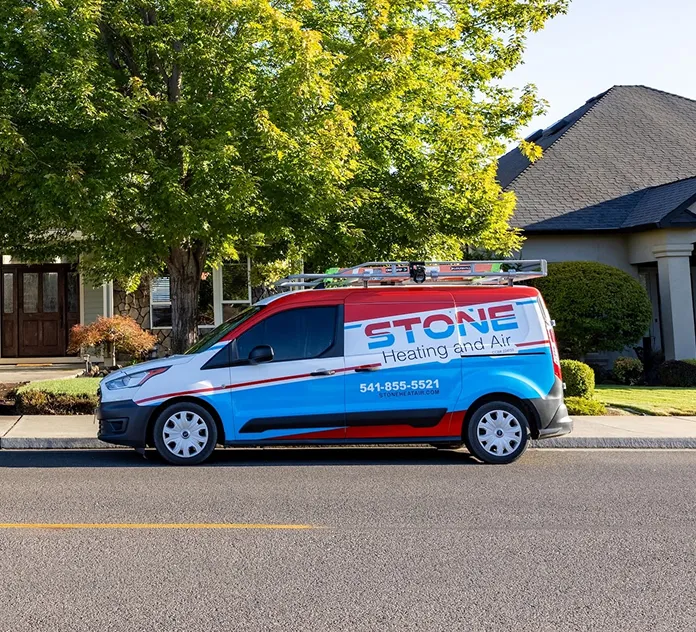

When your furnace quits during a freezing night or your AC dies on a 100-degree afternoon, waiting until business hours isn't an option. A total HVAC failure puts your family at risk and can cause serious property damage from frozen pipes or extreme heat. Stone Heating & Air provides 24/7 emergency HVAC service in Gold Hill, OR, with fast response times when you need help most.
We're available around the clock for urgent situations:
- 24/7 emergency dispatch for complete heating and cooling failures.
- Fully stocked trucks for common repairs on the first visit.
- Upfront diagnosis and pricing — no surprise emergency surcharges.
- Fast response for both residential and commercial emergencies. Call Stone Heating & Air now at (541) 855-5521 for emergency HVAC service in Gold Hill.
Immediate Solutions for Critical System Failures
Emergency service differs significantly from standard maintenance or scheduled repairs. When you request emergency assistance, the focus is on rapid triage and stabilization of your indoor climate. A system failure during the peak of summer or the dead of winter is not merely an inconvenience; it can pose health risks and potential damage to your property, such as frozen pipes or mold growth from humidity.
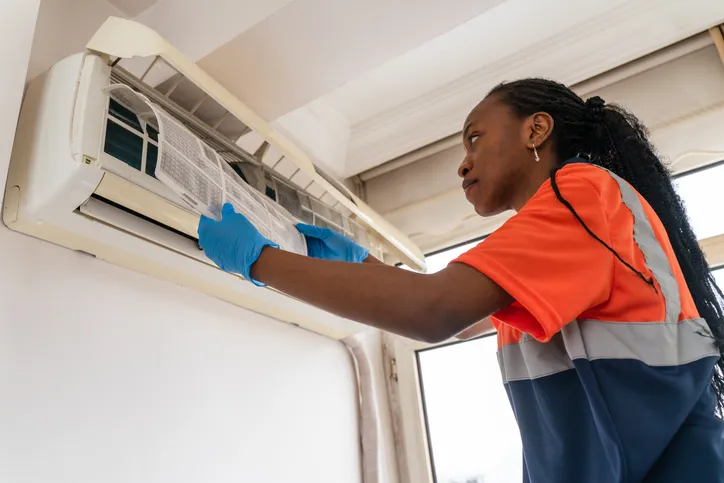
Technicians arrive equipped to handle a wide array of common critical failures. The goal is to identify the root cause immediately and implement a fix that lasts. You receive a comprehensive assessment of the situation upon arrival. This includes checking for safety hazards like refrigerant leaks, electrical shorts, or carbon monoxide emissions.
The scope of emergency service typically covers:
- Loss of Heating: In the wet, chilly winters typical of the region, a furnace failure requires immediate attention to prevent the home from reaching unsafe temperatures.
- Air Conditioning Failure: During dry, hot spells, an AC breakdown can make indoor environments uninhabitable. Technicians focus on restoring airflow and cooling capacity.
- Electrical Malfunctions: Buzzing noises, tripping breakers, or burning smells indicate electrical faults that require urgent isolation and repair to prevent fire hazards.
- Water Leaks: Clogged condensate drains or frozen coils can cause water to back up, threatening ceilings and flooring. Immediate intervention stops the water damage source.
- Gas Line Issues: If a gas furnace is suspected of leaking, this is a top-priority safety emergency requiring immediate shut-off and repair by licensed professionals.
Restoring Comfort Through a Structured Repair Process
A chaotic situation requires a disciplined response. Professional emergency service follows a strict protocol to ensure safety, accuracy, and efficiency. This systematic approach prevents missed details and ensures that the repair addresses the underlying issue, not just the symptom.
- Triage and Dispatch: The process begins the moment the service request is logged. Dispatchers assess the severity of the issue based on your description—such as complete system failure, strange noises, or leaks—and route the nearest equipped technician to your location.
- On-Site Diagnostics: Upon arrival, the technician performs a focused diagnostic sequence. This involves testing voltage, checking pressures, inspecting heat exchangers, and verifying thermostat communication. This step isolates the component causing the failure.
- Safety Inspection: Before any repair work begins, a safety check is conducted. This ensures there are no gas leaks, electrical grounding issues, or structural risks associated with the unit.
- Proposal and Approval: Once the problem is identified, you receive a clear explanation of the failure and a flat-rate quote for the repair. No work proceeds without your explicit understanding and authorization.
- Execution of Repair: The technician retrieves necessary parts from the stocked service vehicle and performs the repair. This may involve replacing a capacitor, clearing a drain line, swapping a contactor, or igniting a pilot assembly.
- System Verification: After the component is replaced, the system is not just turned on; it is tested. The technician measures temperature splits (the difference between supply and return air) to verify the system is actually heating or cooling effectively.
- Clean Up and Departure: The workspace is cleared of any debris, old parts, or packaging. You receive a digital report of the services rendered, including photos of the repair and warranty information for the new parts.
Determining When to Repair or Replace Your Unit
One of the most difficult decisions during an emergency service call is whether to invest in a repair or opt for a full system replacement. This decision often has to be made quickly, but it should be based on data and financial logic rather than pressure. Stone Heating and Air technicians provide the raw data needed to make this calculation.
Several factors dictate the financial viability of a repair:
- The 50% Rule: If the cost of the emergency repair approaches or exceeds 50% of the cost of a new system, replacement is generally the more prudent financial choice. Investing heavily in a dying asset often leads to diminishing returns.
- System Age: The average lifespan of a central air conditioner or furnace is typically between 12 and 15 years. If your unit is nearing or has surpassed this age range, parts may be obsolete or expensive, and efficiency has likely degraded significantly.
- Frequency of Breakdowns: If this is the second or third service call in a short period, the system is likely signaling the end of its operational life. Recurring costs quickly outpace the monthly investment of a new, warrantied system.
- Refrigerant Type: Older systems often use R-22 refrigerant, which has been phased out and is prohibitively expensive to restock. If an older unit has a refrigerant leak, replacement is almost always the only viable option.
- Efficiency Ratings: Modern systems offer significantly higher SEER (cooling) and AFUE (heating) ratings. Replacing a 10-year-old unit can result in immediate utility bill reductions, which helps offset the installation cost.
Navigating Local Climate and Infrastructure Challenges
Operating HVAC equipment in Gold Hill requires specific attention to regional environmental factors. The local climate is classified as Mediterranean, characterized by dry, warm summers and mild, wet winters. This specific weather pattern places unique stressors on heating and cooling infrastructure.
Winter Moisture Management
The wet winters mean that heat pumps often operate in high-humidity environments. This increases the frequency of defrost cycles. If a defrost board fails or sensors malfunction, a heat pump can freeze over completely, turning into a block of ice that provides no heat. Emergency service in this region frequently involves de-icing systems and calibrating defrost controls to handle the moisture load.
Summer Particulate Matter
Dry summers often bring dust and, occasionally, wildfire smoke. This particulate matter clogs condenser coils and air filters rapidly. A blocked coil cannot release heat, leading to high head pressure, compressor overheating, and eventual failure. Emergency calls in late summer are often the result of deferred maintenance on coils struggling against dusty conditions.
Local Codes and Electrical Infrastructure
Older homes in the area may have outdated electrical panels that struggle to support modern, high-demand HVAC equipment during extreme weather. Emergency service often involves identifying voltage drops or amperage spikes that originate from the home's electrical supply rather than the HVAC unit itself.
Furthermore, any major repair or replacement must adhere to local building codes. This includes regulations regarding refrigerant handling, venting requirements for gas furnaces, and electrical disconnect placement. Professional service ensures that all emergency repairs remain compliant with local ordinances to avoid fines or safety inspections later.
Why Professional Diagnostics Matter During a Crisis
Attempting to troubleshoot an HVAC emergency without professional training can escalate a minor issue into a catastrophic failure. Modern HVAC systems are complex integrations of high-voltage electricity, combustible gases, and pressurized chemicals.
- Warranty Protection: Most equipment manufacturers require proof of professional service to uphold parts warranties. DIY repairs or using unlicensed handymen can void the warranty, leaving you responsible for the full cost of future replacements.
- Accurate Fault Isolation: A symptom often has multiple potential causes. For example, a frozen coil could be caused by low refrigerant, a bad blower motor, or a dirty filter. A professional uses gauges and multimeters to pinpoint the exact cause, ensuring you don't pay for parts you don't need.
- Safety Assurance: Handling high-voltage capacitors carries a risk of severe shock, and mishandling gas lines creates explosion hazards. Professionals have the training and personal protective equipment to manage these risks safely.
- Refrigerant Handling: It is illegal under federal law to vent refrigerant into the atmosphere. Certified technicians use recovery machines to handle refrigerants responsibly, protecting the environment and keeping you compliant with EPA regulations.
Restore Your Home’s Comfort Now
When your heating or cooling system fails, time is the critical factor. Delaying service can lead to uncomfortable nights, potential pipe damage, and increased repair costs. You need a team that understands the urgency of the situation and possesses the technical capability to resolve it immediately.
Do not let a breakdown compromise your safety or comfort. Secure professional, rapid diagnostics and repair services today.
Contact Stone Heating and Air now to dispatch an emergency technician to your home.
- Book Expert Service Or Contact Us