

The worst time to discover your furnace has a cracked heat exchanger or a failing ignitor is during a freezing January night. Regular heating maintenance catches these problems while they're still minor and inexpensive to fix. Stone Heating & Air provides thorough heating maintenance in Gold Hill, OR, to keep your system safe, efficient, and reliable all winter.
Annual maintenance prevents emergencies and saves money:
- Heat exchanger inspection for cracks and carbon monoxide risks.
- Burner and ignition system cleaning and testing.
- Blower motor and electrical connection evaluation.
- Filter replacement and airflow verification. Call Stone Heating & Air at (541) 855-5521 to schedule heating maintenance in Gold Hill today.
Comprehensive Heating System Diagnostics and Tune-Ups
Effective heating maintenance goes far beyond a simple visual inspection or a filter change. It involves a rigorous, multi-point analysis of your entire HVAC infrastructure to ensure every component is functioning within manufacturer specifications. When a technician arrives at your home in Gold Hill, the goal is to reverse the wear and tear accumulated during the previous seasons and prepare the unit for the heavy workload of winter — view our gallery for examples.
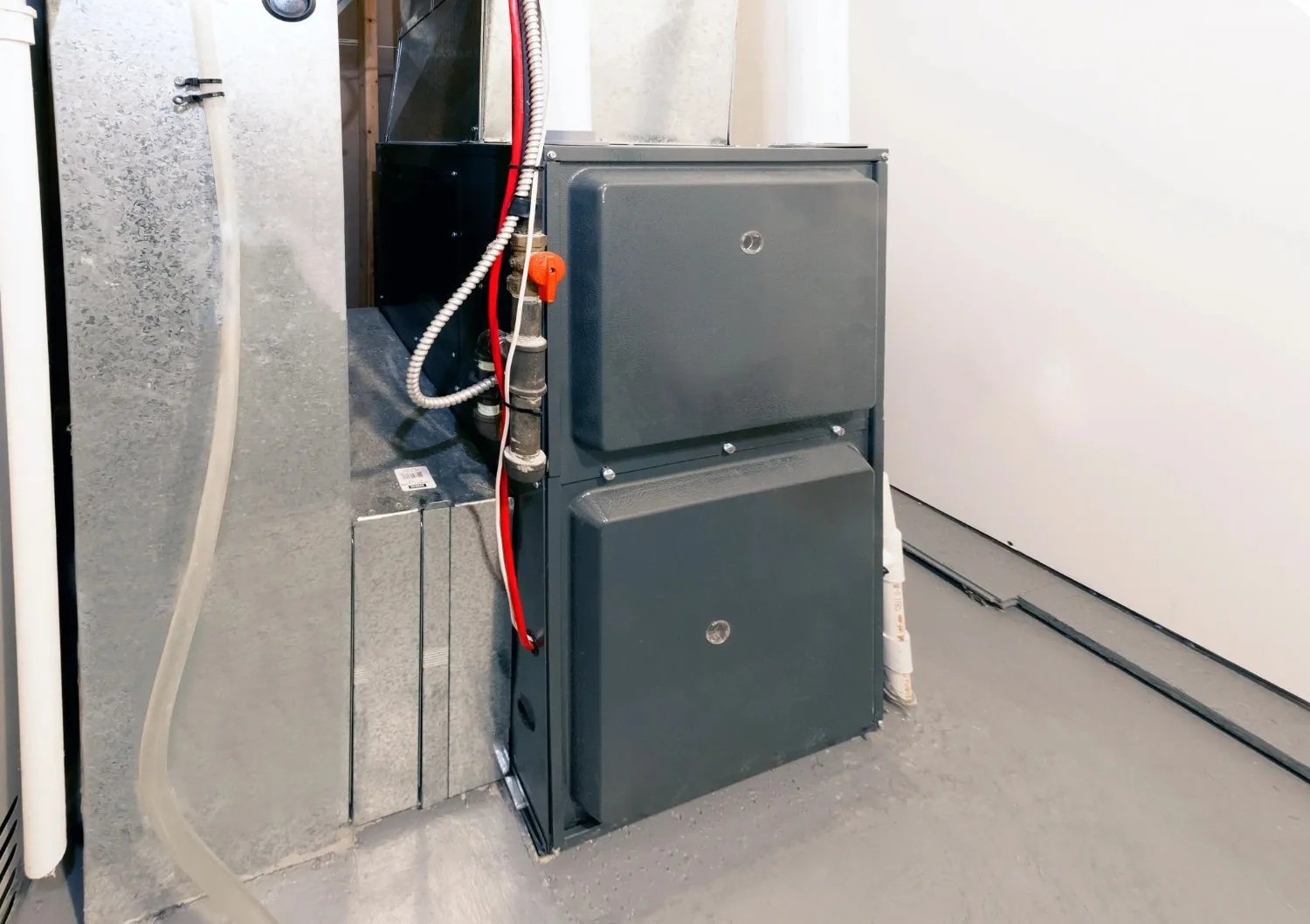
A professional tune-up focuses on the core mechanics of your furnace or heat pump. This includes calibrating the thermostat to ensure accurate temperature control, which directly impacts your fuel usage. Technicians inspect the heat exchanger—a critical component in gas furnaces—for cracks or corrosion. A compromised heat exchanger can leak carbon monoxide into your living space, making this inspection a vital safety protocol.
Electrical connections are another primary focus. Loose or corroded wires can cause intermittent failures or dangerous shorts. During a maintenance visit, technicians tighten all electrical connections, measure voltage and current on motors, and test the capacitor. If the blower motor is drawing too much capability, it is often a sign of impending failure that can be rectified with cleaning or lubrication before the motor burns out completely.
Airflow is the lifeblood of your heating system. Restricted airflow strains the blower motor and reduces heat transfer, leading to cold spots in the house and higher utility bills. Maintenance includes checking the static pressure in your ductwork, cleaning the blower wheel, and ensuring that registers are unobstructed. By optimizing airflow, the system reaches the set temperature faster and cycles off sooner, preserving the equipment's lifespan.
Burner assembly cleaning is essential for gas systems. Over time, burners can become clogged with dust and soot, resulting in improper combustion. This not only wastes fuel but can also create soot buildup in the heat exchanger. Technicians clean and adjust the burner assembly to ensure a clean, blue flame, which indicates efficient combustion.
The Preventative Maintenance Process
Understanding what happens during a service visit helps you prepare and know what to expect. The process is designed to be thorough yet efficient, minimizing disruption to your daily routine while maximizing the performance of your heating unit.
Initial System Assessment
The process begins with a discussion about any specific issues you have noticed, such as strange smells, noises, or rooms that never seem to get warm. The technician then performs a test run to listen to the system's operation and observe the startup cycle.
Safety and Control Inspection
Safety controls are tested to ensure the system shuts down properly in the event of a malfunction. This includes testing the limit switch, which prevents the unit from overheating, and the flame sensor, which cuts off gas flow if a pilot light or flame is not detected.
Cleaning and Lubrication
Technicians remove the panels to access internal components. They vacuum out the cabinet to remove dust and debris that can pose a fire hazard. Moving parts, such as bearings and motors, are lubricated to reduce friction. Friction causes heat and wear, so proper lubrication is key to a quiet and long-lasting system.
Filter and Air Quality Check
While homeowners should change filters regularly, the technician checks the filter status and the filter housing. They look for bypass gaps where unfiltered air might be entering the system. If you have a permanent electrostatic filter, it will be washed and reinstalled.
Final Calibration and Reporting
Once the cleaning and repairs are complete, the system is restarted. The technician measures the temperature rise—the difference between the air entering the return and the air leaving the supply—to ensure it falls within the manufacturer’s recommended range. Finally, you receive a detailed report outlining the work performed and any recommendations for future repairs or upgrades.
When to Repair vs. Replace Your Heating Unit
Deciding between maintaining an aging system and investing in a replacement is a common dilemma for homeowners. While Stone Heating and Air prioritizes extending the life of your current equipment, there are mathematical and practical tipping points where replacement becomes the more improved financial decision.
- Age of the Equipment: Most furnaces and heat pumps have a service life of 15 to 20 years. If your unit is approaching or has surpassed this age range, maintenance may only be a temporary fix. Parts for older units can become obsolete or prohibitively expensive, making a new installation a smarter investment.
- Frequency of Breakdowns: If you find yourself calling for repairs multiple times in a single season, the cumulative cost of these fixes often outweighs the cost of a new, reliable system. A pattern of recurring failures usually indicates that major components are nearing the end of their life cycle.
- Rising Energy Bills: As heating systems age, they lose efficiency. If your energy usage has increased significantly despite normal usage habits, it means the unit is working harder to produce the same amount of heat. Modern systems offer much higher Annual Fuel Utilization Efficiency (AFUE) ratings, which can drastically lower monthly utility costs.
- Uneven Heating and Comfort Issues: If some rooms in your home are freezing while others are stiflingly hot, or if the air coming from the vents feels lukewarm, the system may have lost the capacity to distribute heat effectively. While ductwork issues can sometimes cause this, it is often a sign that the furnace or heat pump compressor is failing.
- Cost of Repair Rule: A general industry rule is the "50% rule." If the cost of a necessary repair approaches 50% of the value of a new system, it is generally better to replace the unit. Investing heavy capital into a dying machine is rarely cost-effective.
Local Climate and Regulatory Considerations
Operating a heating system in Gold Hill requires specific attention to regional factors. The climate here is characterized by cool, wet winters. This consistent moisture can introduce unique challenges to heating systems, specifically regarding rust and corrosion.
- Moisture Management: High humidity levels can affect the electrical components and the cabinet of your heating unit. Regular inspections look for signs of rust on the burners or the heat exchanger. For heat pumps, which sit outside, clearing away damp debris like wet leaves is crucial to prevent the outer unit from rotting or suffering from restricted airflow.
- Heat Pump Efficiency in Cool Weather: Many homes in the region utilize heat pumps. These systems are highly efficient in moderate climates but can struggle when temperatures dip near freezing. Maintenance ensures the defrost cycle is working correctly. If the defrost cycle fails, ice can build up on the outdoor coils, halting the heating process and potentially damaging the compressor.
- Utility Requirements and Rebates: Local utility providers often have specific requirements for energy efficiency. Maintaining your system ensures it operates at peak efficiency, which may qualify you for lower tier rates or specific rebates offered for energy-saving measures. Additionally, proof of professional maintenance is often required to keep manufacturer warranties valid.
- Permits and Codes: If maintenance reveals a need for significant repair involving gas lines or electrical circuit alterations, local building codes must be followed. Professional technicians are well-versed in Gold Hill’s specific code requirements, ensuring that all work is compliant and safe. This is particularly important for insurance purposes and future home sales.
The Value of Professional Expertise
Attempting DIY maintenance on modern heating systems is risky and often ineffective. Today’s HVAC equipment involves complex circuit boards, variable-speed motors, and precise gas pressure requirements that require specialized diagnostic tools.
- Specialized Diagnostic Tools: Professionals utilize manometers to measure gas pressure, multimeters for electrical diagnostics, and combustion analyzers to check exhaust gases. These tools provide data that is invisible to the naked eye, allowing for precise adjustments that maximize efficiency and safety.
- Access to OEM Parts: When a part needs replacement, using Original Equipment Manufacturer (OEM) parts ensures compatibility and performance. Professional services have access to supply chains that stock the exact components needed for your specific make and model, avoiding the risks associated with universal "one-size-fits-all" parts.
- Safety Protocols: Handling natural gas, high-voltage electricity, and combustion gasses carries inherent risks. Licensed technicians are trained to handle these hazards safely. They ensure that gas valves are properly seated, exhaust flues are venting correctly, and electrical grounds are secure.
- Warranty Preservation: Most HVAC manufacturers strictly require proof of annual maintenance by a licensed professional to keep the warranty active. Skipping professional service can void this coverage, leaving you liable for the full cost of major component replacements like heat exchangers or compressors.
Ensuring Long-Term Comfort and Reliability
Winter in Gold Hill is not the time to gamble with your home's heating source. The peace of mind that comes from knowing your system has been inspected, cleaned, and calibrated by a professional is invaluable. Regular care reduces the risk of emergency breakdowns, improves indoor air quality, and ensures your home remains a warm sanctuary against the cold and rain — read our reviews for confirmation.
By investing in maintenance now, you avoid the stress and high costs associated with mid-winter failures. A well-maintained system runs quieter, uses less energy, and provides consistent, comfortable heat throughout your home.
Whether you have a gas furnace, an electric furnace, or a heat pump, the mechanical principles remain the same: clean, lubricated, and calibrated machines perform better and last longer. Don't wait until the first freeze to test your system.
Stone Heating and Air is dedicated to ensuring your home remains comfortable throughout the season. Take proactive steps today to secure your comfort for the months ahead.
Contact us now to schedule your seasonal heating maintenance and ensure your system is ready for winter.
- Book Expert Service Or Contact Us