

When your HVAC system stops heating, won't cool, or starts making alarming noises, you need a technician who can diagnose the actual problem — not someone who replaces parts until something works. Misdiagnosis wastes your money and leaves you uncomfortable. Stone Heating & Air provides accurate, efficient HVAC repair in Kerby, OR, for all system types and brands.
We find the problem fast and fix it right:
- Detailed diagnostics using pressure testing and electrical analysis.
- Heating and cooling component repair and replacement.
- Thermostat, airflow, and ductwork troubleshooting.
- Emergency HVAC repair for urgent failures. Call Stone Heating & Air at (541) 855-5521 or schedule HVAC repair in Kerby today.
What to Expect During Your HVAC Service Visit
When you request professional repair services, the objective is to minimize downtime and restore comfort as efficiently as possible. A malfunctioning HVAC system in Kerby can lead to rapidly uncomfortable indoor temperatures, risking pipe freezes in winter or heat exhaustion in summer. The service visit is structured to identify the issue accurately and provide a permanent fix rather than a temporary patch.
Upon arrival, the focus is on a comprehensive diagnostic assessment. Modern HVAC systems are complex networks of electrical components, refrigerant lines, and mechanical parts. A noise might indicate a loose part, or it could signal a failing compressor. A lack of airflow could be a simple filter issue, or it could point to a blower motor burnout. The goal is to isolate the variable causing the failure.
The scope of repair generally covers several key areas:
- Electrical Systems: Technicians check capacitors, contactors, and wiring connections. Loose or corroded wires are a common cause of intermittent failures.
- Mechanical Components: This includes inspecting fan blades, motors, and bearings. Wear and tear on these moving parts often leads to system seizing or excessive noise.
- Refrigerant Levels: For cooling systems and heat pumps, proper refrigerant charge is critical. Leaks must be identified and sealed before recharging the system.
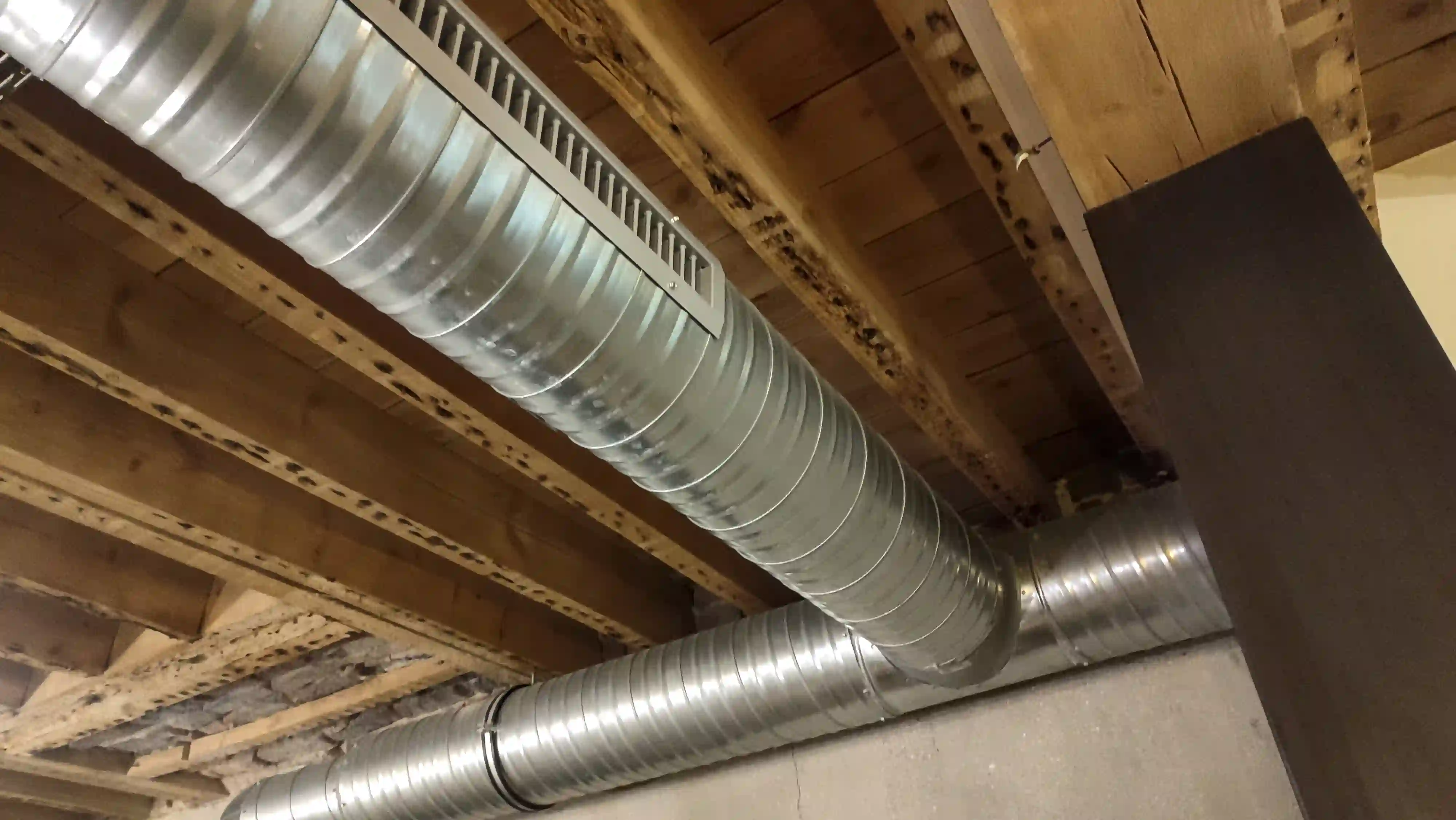
- Airflow and Ductwork: Restricted airflow forces the system to work harder, leading to overheating. Technicians check for blockages in the ducts, filter issues, and register obstructions.
- Thermostat Calibration: Sometimes the unit is functional, but the control center is sending incorrect signals. Calibration ensures the temperature you set is the temperature you get.
Once the diagnostic is complete, you receive a detailed report of the findings. This includes a clear explanation of what failed, why it failed, and the options available for repair. Transparency is key; you should know exactly what the costs will be before any work begins. This eliminates surprise fees and allows you to make an informed decision regarding your property’s comfort systems.
The Repair Process: From Diagnosis to Comfort
Understanding the workflow of an HVAC repair helps set expectations and reduces the stress associated with system breakdowns. The process is designed to be systematic and thorough, ensuring safety and quality at every stage.
- Initial Scheduling and Triage: The process begins when you report the issue. Dispatchers gather details about the symptoms—strange noises, smells, or complete system failure—to equip the technician with the likely necessary parts.
- Arrival and Site Protection: Technicians arrive equipped to work. They respect your property by using shoe covers and drop cloths where necessary to keep the workspace clean.
- Safety Inspection: Before touching any internal components, power is cut to the unit to prevent electrical hazards. For gas furnaces, leak detection is performed to ensure there is no risk of carbon monoxide or gas leaks.
- Diagnostic Testing: Using specialized tools like multimeters, manometers, and leak detectors, the technician tests the system’s performance against manufacturer specifications.
- Problem Identification: The technician pinpoints the exact component causing the failure. This prevents "parts throwing," where technicians guess at the problem by replacing random parts.
- Proposal and Approval: You are presented with a quote for the necessary repairs. If multiple options exist—such as a temporary fix versus a long-term part replacement—these are explained clearly. Work only proceeds with your authorization.
- Execution of Repair: The technician replaces the faulty components, cleans relevant parts of the system, and secures all connections.
- System Testing: After the repair is made, the system is run through a full cycle. This verifies that the fix was successful and that the unit is cycling on and off correctly.
- Final Walkthrough: The technician explains what was done, shows you the old parts (if requested), and provides tips on how to prevent future issues.
Deciding Between Repair and Replacement
One of the most difficult decisions homeowners face is determining when a system has reached the end of its viable life. While repairs are often the most cost-effective immediate solution, there is a tipping point where continuing to repair an aging unit becomes a financial drain.
At Stone Heating and Air, we believe in providing data-backed recommendations so you can make the best financial choice for your home.
Consider the "50% Rule." If the cost of the repair approaches 50% of the value of a brand-new system, replacement is generally the wiser investment. Additionally, the age of the unit plays a massive role. Most air conditioners and heat pumps last between 10 and 15 years, while furnaces may last 15 to 20 years. If your equipment is nearing the end of this lifespan and requires a major repair (like a compressor or heat exchanger), investing in a new unit often yields better long-term returns through energy savings and warranties.
Factors suggesting a repair is the right choice:
- The system is under 10 years old and generally reliable.
- The warranty is still active, covering major parts.
- The repair cost is relatively minor compared to replacement.
- You plan to move in the immediate future and need the system functional for sale.
Factors suggesting replacement is better:
- You are experiencing frequent breakdowns, requiring multiple service calls in a single year.
- Energy bills have risen significantly despite usage remaining the same, indicating lost efficiency.
- The system uses obsolete refrigerant (like R-22) which is prohibitively expensive to replace.
- The heat exchanger in a furnace is cracked (a serious safety hazard).
- Your home has humidity issues or uneven heating and cooling that the current unit cannot resolve.
Modern systems offer significantly higher SEER (Seasonal Energy Efficiency Ratio) ratings. upgrading from an older unit to a modern high-efficiency system can sometimes reduce monthly energy bills by enough to offset the monthly cost of a new installation payment plan.
Regional Considerations for HVAC Systems
Operating an HVAC system in the Pacific Northwest requires specific attention to local climate patterns. In Kerby, the weather fluctuates between damp, cold winters and increasingly hot, dry summers. This variability places specific demands on your heating and cooling equipment.
During the cooling season, typically June through August, demand peaks. Systems that have sat dormant through the spring are suddenly pushed to maximum capacity. This is when capacitor failures and refrigerant leaks are most likely to be discovered. The heat load can be intense, and an undersized or poorly maintained unit will run continuously without satisfying the thermostat, driving up electric bills.
In the heating season, extending from November through February, the focus shifts to moisture control and consistent warmth. Heat pumps are very popular in this region due to the moderate winters, but they must be checked for proper defrost cycles. If a heat pump’s defrost board fails, the outdoor unit can freeze over, rendering it useless. For homes with gas furnaces, the damp climate makes checking for rust and corrosion on the burners and heat exchanger essential.
Local regulations and logistics also play a role in repair and replacement:
- Permitting: While minor repairs typically do not require permits, significant alterations to the ductwork, gas lines, or full system replacements will require adherence to local building codes. Compliant work ensures your home insurance remains valid and safety standards are met.
- Utility Rebates: Local energy providers often offer rebates for repairing or upgrading to high-efficiency systems. Technicians can often advise if your specific repair or upgrade qualifies for regional incentives.
- Supply Chain: Access to specific parts can sometimes be influenced by regional demand. Working with a locally established provider ensures better access to supply houses and faster part sourcing.
Why Professional Diagnostics Matter
Attempting DIY repairs on HVAC systems can be dangerous and costly. Modern units operate with high-voltage electricity and pressurized gases. A simple mistake can lead to severe injury or render the system completely irreparable. Furthermore, many manufacturer warranties are voided if the unit is worked on by unlicensed individuals.
Professional diagnostics go beyond just "getting it running." A qualified technician looks at the system holistically. For example, a compressor failure is often a symptom, not the root cause. If the technician replaces the compressor but fails to identify that the thermal expansion valve is blocked, the new compressor will fail shortly after installation. Professional service ensures that the root cause is addressed, protecting your investment.
Key technical advantages of professional service include:
- Refrigerant Handling: Handling refrigerant requires EPA certification. Venting refrigerant is illegal and harmful to the environment. Professionals have the recovery machines and scales to handle this correctly.
- Airflow Balancing: Technicians understand static pressure and airflow dynamics. They can identify if your ductwork is strangling your system, a problem no amount of part replacement will fix.
- Electrical Safety: Professionals inspect wire gauge, breaker sizing, and connection tightness to prevent fire hazards.
Ensuring Long-Term System Reliability
Once a repair is completed, the goal is to keep the system running smoothly for as long as possible. The longevity of a repair often depends on how well the system is maintained afterward. While the immediate crisis is resolved, the underlying stress on the system remains if maintenance is neglected.
Routine maintenance acts as a safeguard against future emergency calls. It involves cleaning coils, tightening electrical connections, lubricating moving parts, and checking condensate drains. A clean system transfers heat more effectively, meaning it runs for shorter periods to achieve the desired temperature. This reduces wear on the components that were just repaired or replaced.
Specifically in the Kerby area, keeping outdoor units free of debris is vital. Falling leaves, pine needles, and pollen can clog the outdoor condenser coil. When this coil is dirty, the system cannot release heat effectively, causing the compressor to overheat and trip the safety limits. Regular professional cleaning prevents this common failure point.
When selecting a service provider, look for teams that prioritize technical accuracy over sales pressure — read our reviews. The focus should be on restoring your comfort and safety. A robust warranty on parts and labor provides peace of mind that the repair was performed correctly.
Call Us Now!
Trust Stone Heating and Air to handle your climate control needs with precision and professionalism. We are committed to keeping your home comfortable regardless of the season.
Don't let a broken HVAC system disrupt your comfort—contact us today to schedule your repair service.
- Book Expert Service Or Contact Us