

Installing a new air conditioner isn't just about picking a unit — it's about getting the right size, proper ductwork, and correct refrigerant charge for your specific home. A poorly installed AC wastes energy from day one and fails years before it should. Stone Heating & Air provides expert AC installation in Kerby, OR, with precise load calculations and professional setup.
We get your new cooling system right the first time:
- Home load calculations to match the perfect AC size to your space.
- Professional installation of high-efficiency systems from top brands.
- Ductwork evaluation and modification to ensure proper airflow.
- Post-install testing and performance verification before we leave. Call Stone Heating & Air at (541) 855-5521 or schedule your free estimate in Kerby today.
Comprehensive Air Conditioning Installation Standards
Securing a new air conditioning system is about more than just purchasing a unit; it is about investing in a complete comfort ecosystem for your home. When you commission a new installation, you are paying for the correct engineering, sizing, and integration of complex machinery into your existing infrastructure. A professional installation ensures that every component, from the condenser outside to the evaporator coil inside, functions in perfect unison to deliver consistent cooling.
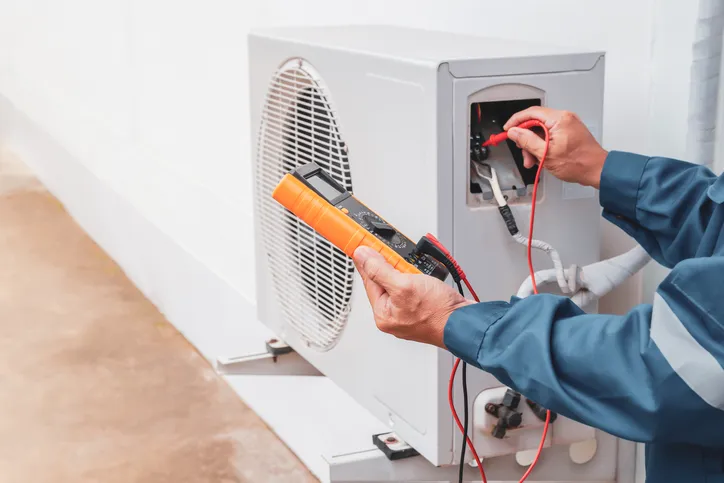
The scope of a standard installation typically covers the removal and environmentally safe disposal of your existing equipment. Old units often contain refrigerants and materials that require specific handling to comply with environmental regulations. Once the site is cleared, the focus shifts to preparing the area for the new system. This includes inspecting the pad or mounting brackets to ensure stability and vibration isolation, which contributes to quieter operation and a longer system lifespan.
Modern installations also include a thorough evaluation of the connecting infrastructure. We examine the copper refrigerant lines for integrity and proper insulation. If existing lines are reused, they are flushed to remove contaminants that could damage the new compressor. Electrical connections are inspected and upgraded if necessary to meet the amp draw requirements of the new, more efficient equipment. Furthermore, the condensate drainage system is reconstructed to prevent water damage, often incorporating safety switches that shut the system down before an overflow can occur.
Included in a high-quality installation is the calibration of the thermostat and control systems. Whether you opt for a standard programmable interface or a smart home-integrated solution, the setup is crucial for efficiency. We ensure the system cycles correctly, adhering to parameters that maximize dehumidification and cooling without short-cycling, which wastes energy.
The Step-by-Step System Replacement Protocol
Understanding the sequence of events during an AC replacement helps homeowners prepare for the day of service. We maintain a strict protocol to ensure efficiency, safety, and cleanliness throughout the process.
- The process begins with a load calculation and site assessment. Before any equipment is ordered, technicians perform a Manual J calculation. This mathematical formula considers the square footage, window direction, insulation levels, and local climate data of your Kerby home to determine the exact cooling capacity required. This prevents the installation of oversized units that cool too quickly without dehumidifying, or undersized units that run constantly without reaching the set temperature.
- Next, the technicians prepare the workspace. Drop cloths and floor protectors are laid down to safeguard your property. The electrical power to the HVAC system is disconnected at the main panel to ensure safety. The old refrigerant is pumped down or recovered into certified cylinders, preventing any release into the atmosphere.
- Following preparation, the physical removal takes place. The old condenser and indoor air handler or furnace coil are disconnected. This step involves cutting refrigerant lines and disconnecting high-voltage and low-voltage wiring. The old equipment is carefully removed from the premises.
- Installation of the new equipment follows. The indoor coil is set in place and sealed to the furnace or air handler to prevent air leaks. The outdoor condenser is positioned on a new pad or brackets. Technicians then braze the copper refrigerant lines using nitrogen to prevent oxidation inside the pipes, a critical step for the longevity of modern refrigerants like R-410A or newer alternatives.
- Once the physical connections are made, the system undergoes a pressure test. Nitrogen is pressurized into the lines to check for leaks. If the system holds pressure, a vacuum pump is used to evacuate all moisture and non-condensables from the lines, measured in microns. Understanding the sequence of events ensures a pure, sealed environment for the refrigerant.
- Finally, the system is charged and started. Technicians measure superheat and subcooling—technical metrics that indicate the precise amount of refrigerant needed for optimal performance. The system is tested in all modes, airflow is balanced, and the area is cleaned, leaving your home exactly as it was found, only cooler.
Determining When New Equipment Outweighs Repairs
Deciding between repairing an aging unit and investing in a new installation is a pivotal financial decision for any homeowner. While repairs may seem cheaper upfront, they often act as a temporary bandage on a system that is inevitably failing. There are specific technical and financial markers that indicate when replacement is the more prudent path.
- Age is the primary indicator. Most air conditioning systems have a service life of 10 to 15 years. As units approach or exceed this range, the internal components, particularly the compressor, experience wear that significantly degrades efficiency. Even if the unit runs, it is likely using far more electricity to produce the same amount of cooling as a modern unit.
- The "50% Rule" is a standard industry metric. If the cost of a necessary repair approaches 50% of the value of the system, or 50% of the cost of a new unit, replacement is generally recommended. For example, replacing a compressor in a 12-year-old unit is rarely cost-effective compared to putting those funds toward a new system with a fresh warranty.
- Frequency of breakdowns signals imminent failure. If you have required multiple service calls in the last two seasons, the system is demonstrating unreliability. Continual repairs add up quickly, often exceeding the monthly cost of financing a new, efficient system.
- Rising energy bills indicate a loss of efficiency. As coils foul, fans degrade, and compressors wear out, the system must work harder to maintain temperature. If your summer cooling bills have spiked despite normal usage, the equipment is likely losing its SEER (Seasonal Energy Efficiency Ratio) rating aggressively.
- Comfort issues and noise levels are final indicators. If some rooms in your house are freezing while others are hot, or if the unit shudders and bangs upon startup, the mechanics are failing. Modern systems offer variable-speed technology that balances temperature and operates at a whisper-quiet level, solving these comfort gaps instantly.
Regional Factors Impacting HVAC Performance in Oregon
Operating an air conditioning system in the Pacific Northwest requires specific considerations regarding climate, regulations, and infrastructure. The local environment in Kerby presents unique challenges that generic installation practices may overlook.
- Humidity and Latent Load: While Oregon is known for rain, the summers can bring specific humidity challenges. An AC system must be sized not just for temperature (sensible load) but also for moisture removal (latent load). If a system is oversized, it satisfies the thermostat temperature too quickly and shuts off before it has removed the humidity, leading to a clammy, uncomfortable indoor environment. We select equipment specifically capable of handling these local load calculations.
- Wildfire Smoke and Filtration: In recent years, smoke from regional wildfires has become a significant concern. Standard fiberglass filters are insufficient for maintaining indoor air quality during these events. Installations in this region often require upgraded media cabinets or electronic air cleaners capable of filtering fine particulate matter. We assess your ductwork to ensure it can handle the increased static pressure of high-efficiency filtration without damaging the blower motor.
- Permitting and Code Compliance: Local building codes dictate specific requirements for electrical disconnects, working space around units, and refrigerant management. Stone Heating and Air handles the permitting process to ensure your installation complies with all municipal and state regulations. This is vital for safety and for the future resale value of your home, as unpermitted work can complicate real estate transactions.
- Utility Rebates and Incentives: The region often promotes energy efficiency through various rebate programs. Upgrading to high-efficiency heat pumps or high-SEER AC units may qualify homeowners for financial incentives from local utility providers or state energy organizations. We stay current on these programs to help you maximize your return on investment.
Why Homeowners Trust Our Technical Expertise
In an industry where technology evolves rapidly, choosing a service provider with a commitment to technical excellence is essential. We do not rely on high-pressure sales tactics; instead, we rely on data, physics, and engineering principles to provide solutions that work. Our approach is grounded in the belief that a properly installed system is the single most important factor in the longevity of your investment.
We utilize advanced diagnostic tools and installation practices that exceed manufacturer minimums. For instance, while some might skip the nitrogen purge during brazing, we strictly adhere to it to prevent carbon buildup that kills compressors. While others might guess on duct sizing, we measure airflow to ensure every room receives the correct cubic feet per minute (CFM) of air.
Our technicians are trained to view your home as a system. We understand how insulation, windows, and ductwork interact with the mechanical equipment. This holistic view allows us to diagnose underlying issues that a simple unit swap would miss, such as duct leakage or poor return air pathways. By addressing these foundational issues, we ensure that your new AC unit performs exactly as rated on the factory specification sheet.
When you work with Stone Heating and Air, you are engaging a partner dedicated to the long-term performance of your home’s climate system. We provide clear documentation, transparent explanations of the work performed, and a commitment to being there should you need us in the future.
Secure Your Comfort Today
Do not wait for a complete system failure during the peak of summer heat. A proactive installation ensures you have control over your indoor climate, lower energy bills, and a reliable warranty protecting your wallet. Secure your home's comfort with a professional installation designed for your specific needs. Book your free estimate and consultation now.
- Book Expert Service Or Contact Us