

Your HVAC system runs thousands of hours a year — and without regular maintenance, efficiency drops, parts wear out, and breakdowns become inevitable. Most emergency HVAC calls could have been prevented with a simple annual tune-up. Stone Heating & Air provides thorough HVAC maintenance in Cave Junction, OR, to keep both your heating and cooling running smoothly.
Routine maintenance pays for itself in prevented repairs:
- Comprehensive inspection of heating and cooling components.
- Coil cleaning, refrigerant checks, and electrical testing.
- Filter replacement and thermostat calibration.
- Safety inspection for gas connections and heat exchangers. Call Stone Heating & Air at (541) 855-5521 to schedule HVAC maintenance in Cave Junction today.
Comprehensive HVAC Maintenance Services
Ignoring minor irregularities in your heating or cooling system often leads to catastrophic failures during the peaks of summer or the depths of winter. When your system operates without a regular tune-up, internal components grind against one another, electrical connections loosen, and efficiency ratings plummet. We provide a rigorous, multi-point maintenance protocol designed to catch these issues before they force a total system shutdown.
Stone Heating and Air approaches maintenance not just as a cleaning service, but as a complete system revitalization. The goal is to return your unit to factory specifications, ensuring that the energy you pay for actually translates into comfortable air in your living space.
Essential Cooling System Checkpoints
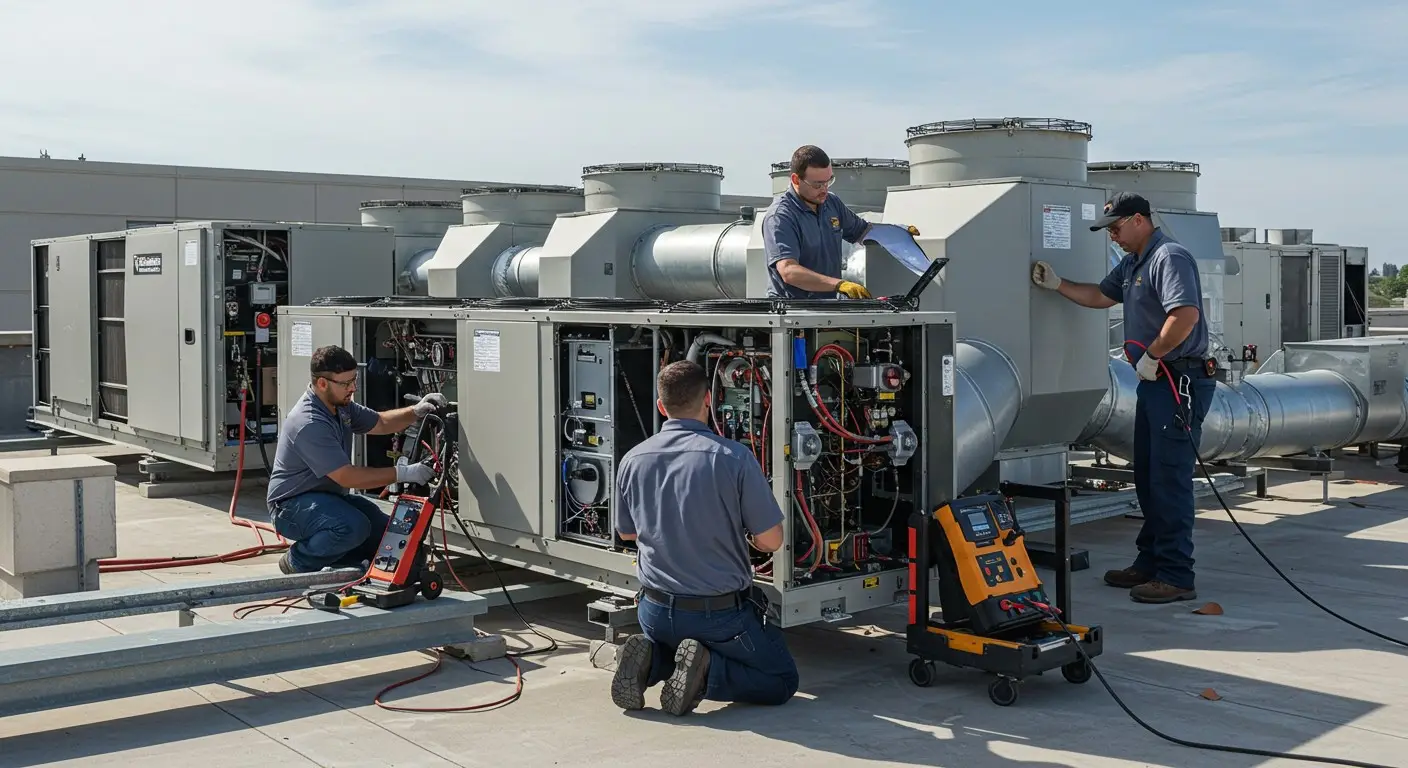
During the warmer months, your air conditioner or heat pump works under immense pressure to remove humidity and heat from your home. Our technicians perform the following critical checks:
- Refrigerant Level Inspection: We measure refrigerant charges to ensure they match the manufacturer’s specifications. Low refrigerant often indicates a leak and causes the compressor to overheat or the evaporator coil to freeze.
- Condenser Coil Cleaning: The outdoor unit is exposed to pollen, dirt, and debris. A dirty coil cannot release heat effectively, forcing the compressor to run longer and increasing your electric bill. We chemically clean these coils to restore heat transfer capabilities.
- Electrical Component Testing: Capacitors and contactors are high-wear items. We test the microfarads on capacitors and check contactors for pitting to prevent sudden startup failures on hot days.
- Condensate Drain Clearing: A clogged drain line can cause water to back up and damage your home’s flooring or ceiling. We clear and treat the drain line to prevent algae growth and water leakage.
Critical Heating System Protocols
As the seasons shift, the focus turns to safety and thermal efficiency. Whether you rely on a gas furnace or a heat pump, the maintenance requirements change to address combustion and defrost cycles.
- Heat Exchanger Analysis: For gas furnaces, a cracked heat exchanger is a severe safety hazard that can leak carbon monoxide into the home. We inspect this component for cracks, rust, or corrosion.
- Burner Assembly Cleaning: Dirty burners lead to uneven combustion, soot buildup, and wasted fuel. We clean and align the burners to ensure a proper flame sensor reading and efficient ignition.
- Igniter and Pilot Inspection: We test the hot surface igniter or pilot light to ensure reliable startup. Weak igniters are a common cause of "no heat" calls in the middle of winter.
- Airflow and Blower Motor Check: The blower moves air across the heat exchanger. If the motor is struggling or the wheel is dirty, the system may overheat and trip safety limits. We inspect the belt tension (if applicable) and lubricate bearings to reduce friction.
How the Professional Tune-Up Process Works
Securing the longevity of your HVAC system should not be a complicated ordeal. We have streamlined the maintenance workflow to be transparent, thorough, and respectful of your time and property. From the moment you request service to the final system test, every step is designed to minimize disruption while maximizing technical accuracy.
- Scheduling and Dispatch: You request a service window that aligns with your schedule. You receive notification when a technician is en route, eliminating the frustration of waiting around all day without updates.
- Arrival and Site Protection: Upon arrival, the technician parks in a designated area and treats your home with care. Shoe covers and drop cloths are utilized to protect your flooring and maintain cleanliness around the work area.
- Initial Assessment and Operation: Before opening the unit, the technician operates the system to hear how it sounds and check for immediate red flags, such as strange vibrations, odors, or short-cycling behaviors.
- Deep System Inspection: The technician deconstructs necessary panels to access internal components. This is where the multi-point checklist is executed. Every bolt, wire, and belt is scrutinized against safety and performance standards.
- Cleaning and Adjustment: Physical cleaning of coils, clearing of drains, and tightening of electrical connections takes place. If minor adjustments to gas pressure or airflow are needed to hit efficiency targets, they are performed immediately.
- Reporting and Recommendations: Once the physical work is complete, you receive a detailed status report. This document highlights what was done, the current health of the system, and any urgent repairs that were identified. There is no guesswork; you see exactly what the technician saw.
Deciding Between Repair and Replacement
Homeowners often view maintenance as a way to avoid buying a new system forever, but there comes a point where repair costs outweigh the benefits of keeping an aging unit. Knowing when to stop repairing a dying system is a financial decision that requires objective data. We help you navigate this choice by evaluating the condition of your equipment against industry benchmarks.
The 50% Rule
A common metric used in the industry is the 50% rule. If the cost of a necessary repair approaches or exceeds 50% of the value of a brand-new system, replacement is generally the wiser financial move. Investing heavy capital into an old unit typically results in diminishing returns, as other components are likely to fail shortly after.
System Age and Reliability
Most HVAC systems have a lifespan of 10 to 15 years. If your unit is approaching or has surpassed this age range, efficiency drops significantly. A 15-year-old air conditioner likely has a SEER rating far below modern standards, meaning you are paying significantly more for the same amount of cooling. If your system requires frequent repairs—more than once a season—it is signaling that the internal components are reaching the end of their lifecycle.
Comfort and Efficiency Changes
If you notice that some rooms are always too hot or too cold, or if the humidity levels in your home feel uncontrolled despite the AC running, the system’s capacity may be compromised. Newer systems offer variable-speed technology and advanced zoning capabilities that solve these comfort issues in ways that repairs on old single-stage units cannot.
Regional Considerations for HVAC Care
Operating an HVAC system in the specific climate of Cave Junction requires attention to local environmental factors. The Mediterranean climate, characterized by warm, dry summers and cool, wet winters, presents unique challenges that generic maintenance plans might miss.
Managing Moisture and Rust
The wet winters in this region introduce a high risk of corrosion for outdoor units. Heat pumps, which run year-round, are particularly susceptible. Moisture can accumulate on electrical contacts and the base of the unit, leading to rust that compromises structural integrity. Regular maintenance involves inspecting the cabinet for rust and ensuring that the defrost control board is functioning correctly to prevent ice buildup during freezing nights.
Filtration and Air Quality
While summers are dry, they can also bring dust, pollen, and occasionally smoke from regional wildfires. These particulates clog air filters rapidly. A standard 30-day filter change might not be sufficient during peak summer months. Our service includes an evaluation of your ductwork and filtration setup to ensure that your indoor air quality remains healthy and that your blower motor isn't suffocating due to airflow restriction.
Permit and Code Compliance
Any significant repair work or system modification usually requires adherence to local building codes. Stone Heating and Air ensures that all maintenance activities and recommended repairs comply with local regulations. This is vital not only for safety but also for maintaining the validity of your home insurance and the manufacturer's warranty on your equipment.
Why Professional Maintenance Matters
Attempting DIY maintenance or hiring unlicensed handy-workers for HVAC systems often results in voided warranties and unaddressed safety hazards. Modern heating and cooling equipment involves complex electronics, high-voltage electricity, and combustible gases. Professional maintenance assures that a trained eye has verified the safety and efficiency of your system — read our reviews.
Warranty Protection
Most equipment manufacturers require proof of annual maintenance by a licensed professional to keep the warranty valid. If a major component like a compressor fails and you cannot prove that the system was maintained, you may be liable for the full cost of the part. Our detailed service records serve as the necessary proof to protect your investment.
Energy Savings
A calibrated system uses less energy. When refrigerant levels are precise, coils are clean, and motors are lubricated, the system draws less amperage to do its job. Over the course of a year, these efficiency gains translate into lower monthly utility bills, often offsetting the cost of the maintenance service itself.
Extended Equipment Life
The simple act of tightening loose electrical connections can prevent a wire from overheating and burning out a compressor. Clearing a drain line prevents water damage that could rust out a furnace cabinet. Proactive care adds years of serviceable life to your HVAC unit, delaying the expensive prospect of replacement.
Secure Your Comfort and Efficiency Today
Waiting for a breakdown is the most expensive way to manage your home’s heating and cooling. A reactive approach leads to emergency service fees, uncomfortable nights, and higher energy costs. By choosing a proactive maintenance plan, you ensure that your system is ready to handle whatever the weather brings.
Take control of your indoor climate and protect your investment. Ensure your system is operating at peak performance and avoid the stress of unexpected failures. Contact our team now to schedule your comprehensive HVAC maintenance service.
- Book Expert Service Or Contact Us