
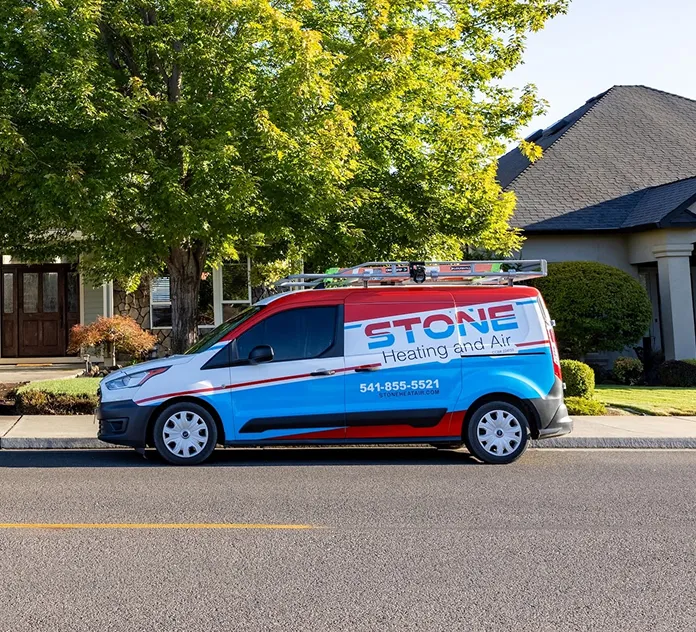
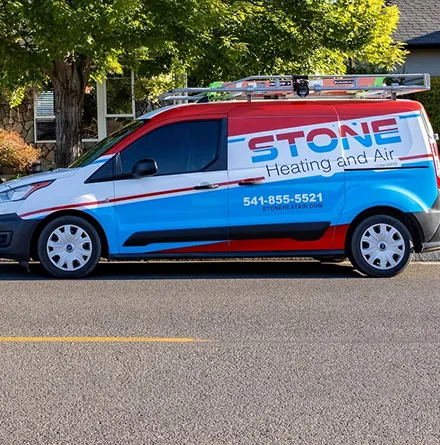

A new heating system is a major investment — and getting the installation wrong means poor performance, higher bills, and a shorter equipment lifespan. Oversized furnaces short-cycle and waste fuel, while undersized units run constantly without warming your home. Stone Heating & Air provides professional heating installation in Cave Junction, OR, with proper sizing and expert setup.
We make sure your new system delivers from day one:
- Heat load calculations to match the right system to your home.
- Furnace and heat pump installation for all major brands.
- Ductwork evaluation and modification for optimal airflow.
- Full system testing and performance verification after install. Call Stone Heating & Air at (541) 855-5521 or schedule your free estimate in Cave Junction today.
What You Get With A Professional Installation
When you invest in a new heating system, you are purchasing more than just the equipment; you are purchasing a complete home comfort solution. A professional installation ensures that every component functions in harmony to deliver consistent warmth. We handle the entire scope of the project, from the initial load calculation to the final safety test, ensuring no detail is overlooked.
Every installation package includes the removal and safe disposal of your old unit. You do not need to worry about hauling away heavy, obsolete machinery or finding a place to recycle refrigerant and scrap metal. We handle the logistics of disposal according to environmental regulations, leaving your property clean and clutter-free.
The scope of work also covers a thorough inspection of your existing infrastructure. Connecting a high-efficiency furnace or heat pump to compromised ductwork significantly reduces the system's performance. We assess the condition of your air distribution system, gas lines, and electrical connections to ensure they can support the new equipment. If modifications are required to meet current safety standards or manufacturer specifications, these are identified and addressed before the new unit is set in place.
Stone Heating and Air provides a seamless transition from your old system to your new one. We include a new programmable or smart thermostat with most installations, allowing you to maximize the efficiency of your new equipment immediately. The goal is to leave you with a system that is turn-key ready, calibrated for optimal airflow, and verified for safe operation.
How The Installation Process Works
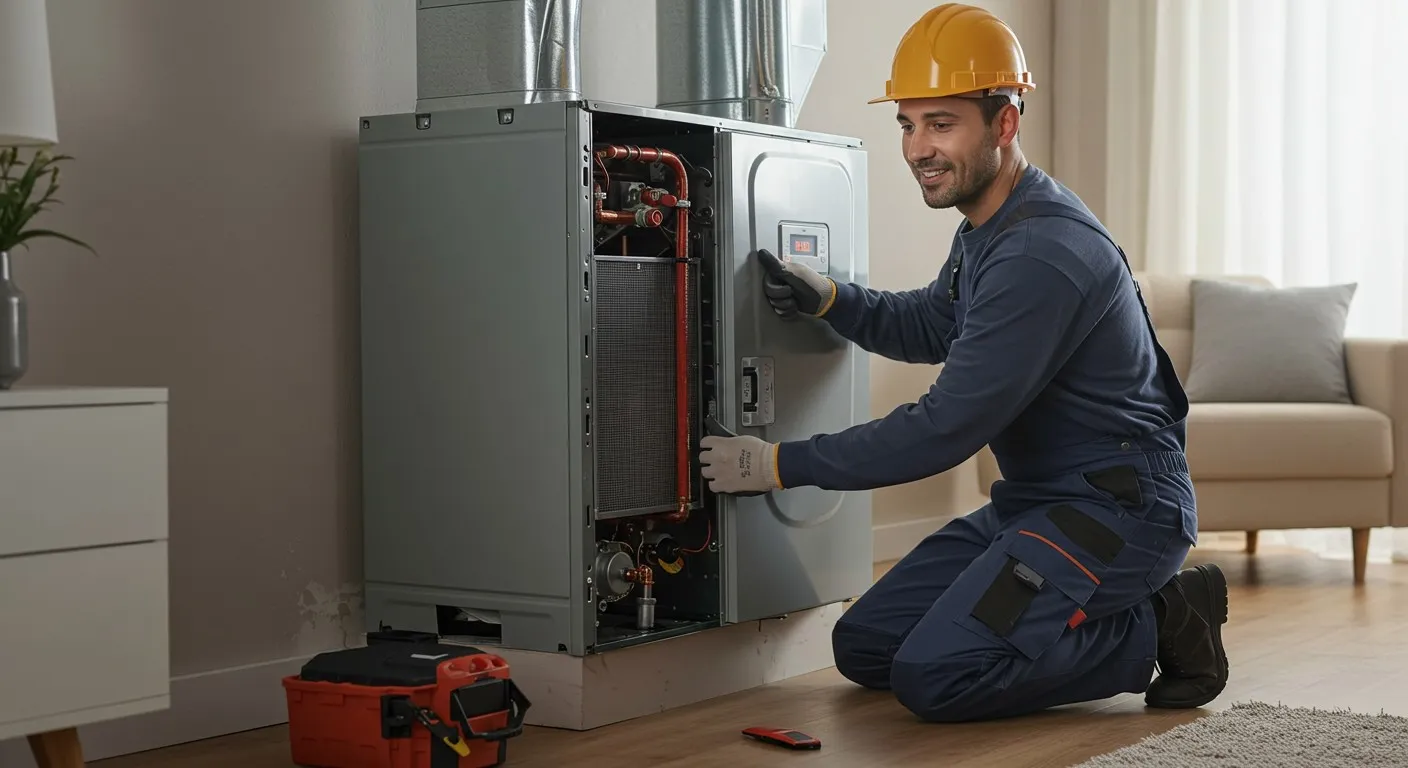
Understanding the sequence of events helps you prepare for installation day. We utilize a structured process to ensure efficiency and minimize disruption to your daily routine. While every home is different, the core steps of a successful installation remain consistent to guarantee quality and safety.
- Site Evaluation and Sizing: First, we perform a Manual J load calculation. This is a technical assessment that determines the exact heating requirements of your home based on square footage, insulation levels, window placement, and local climate data. Guessing the size of a unit leads to short-cycling or inadequate heating, so we rely on data to select the correct capacity.
- Preparation and Safety Setup: Next, our team prepares the workspace. This involves laying down floor protection and clearing the area around the installation site. We shut off gas and electrical supplies to the existing unit to ensure a safe working environment.
- Removal of Existing Equipment: Then, we disconnect the old furnace or heat pump. This includes carefully detaching gas lines, electrical wiring, and flue pipes. The old unit is removed from the premises immediately to clear space for the new system.
- System Positioning and Connection: After the space is prepped, we position the new unit. We level the equipment to ensure proper drainage and operation. Once in place, we reconnect the ductwork, sealing any gaps to prevent air leakage. Gas lines, electrical wiring, and venting are connected according to manufacturer specifications and local building codes.
- Testing and Commissioning: Finally, we fire up the system. We test the ignition sequence, check gas pressure, measure airflow, and verify that the thermostat is communicating correctly with the unit. We do not leave until the system is running smoothly and holding the set temperature.
When Replacement Beats Repair
Deciding between repairing an aging unit and investing in a new one is a financial and practical calculation. While repairs may seem cheaper upfront, sinking money into a dying system often costs more in the long run. There are specific thresholds where replacement becomes the only logical choice for homeowners in Cave Junction.
- The 50% Rule: If the cost of the repair approaches 50% of the value of a new system, replacement is the smarter financial move. A major repair on an old unit does not guarantee that another component won’t fail next month.
- System Age: Most furnaces and heat pumps have a lifespan of 15 to 20 years. If your equipment is in this age range and requires a significant repair, it is nearing the end of its useful life. New systems are significantly more efficient, meaning the monthly savings on energy bills can help offset the installation cost.
- Frequency of Breakdowns: If you have required multiple service calls in the last two years, your system is becoming unreliable. Reliance on a system that breaks down frequently during the cold, wet winter months creates a risk of being left without heat during a storm.
- Rising Energy Bills: As components wear out, motors and burners must work harder to produce the same amount of heat. If your usage habits haven't changed but your utility bills are spiking, your system has lost its efficiency. Modern systems utilize advanced technology to deliver more heat with less energy.
- Comfort Issues: Uneven heating, cold spots, and excessive noise are signs that the system can no longer distribute air effectively. If the unit runs constantly but the house never feels warm, it is likely undersized or failing mechanically.
Local Factors Affecting Your Installation
Heating in the Pacific Northwest requires specific considerations due to our unique climate and regulatory environment. The Mediterranean climate here brings wet, cool winters that differ from the dry cold found in other parts of the country. This humidity affects how we size and select equipment, particularly regarding heat pumps and moisture control.
- Climate-Specific Equipment: The high moisture content in the winter air means that heat pumps must have efficient defrost cycles. If you choose a gas furnace, proper venting is critical to prevent condensation issues within the flue. We recommend systems that maintain performance even when temperatures drop and humidity rises.
- Permitting and Inspections: All heating installations in the area require proper permitting. This ensures that the work complies with safety standards regarding gas piping, electrical circuits, and venting. We manage the permitting process, ensuring that your installation passes all required county or city inspections.
- Electrical vs. Gas Availability: In rural areas surrounding the city, natural gas lines may not be available, making propane or high-efficiency electric heat pumps the primary options. We assess your fuel availability to recommend the most cost-effective energy source for your location.
- Rebates and Incentives: The Oregon Department of Energy (ODOE) and local utility providers often offer rebates for upgrading to high-efficiency heating equipment. We stay updated on these programs to help you apply for any available financial incentives that can lower the net cost of your installation.
Technical Specifications and System Types
Choosing the right type of heating system depends on your home’s infrastructure and your energy preferences. We install a variety of heating technologies, each with distinct advantages.
- Gas Furnaces: These are the most common heating systems, utilizing natural gas or propane to generate heat. Modern condensing furnaces can achieve efficiency ratings over 90% AFUE (Annual Fuel Utilization Efficiency). They provide powerful, hot air that warms a home quickly. This is often the preferred choice for homes with existing gas lines and ductwork.
- Heat Pumps: A heat pump moves heat rather than generating it. In the winter, it extracts heat from the outside air and transfers it inside. In the summer, it reverses the process to act as an air conditioner. This dual functionality makes them highly popular in our climate, where winters are generally mild enough for heat pumps to operate efficiently without relying heavily on auxiliary heat strips.
- Dual Fuel Systems: This hybrid approach combines an electric heat pump with a gas furnace. The heat pump handles heating during mild weather, which is the most efficient method. When temperatures drop below freezing, the system automatically switches to the gas furnace for more powerful heating. This optimizes energy usage across all weather conditions.
- Ductless Mini-Splits: For homes without existing ductwork or for room additions, ductless systems provide targeted heating. They are extremely efficient and allow for zoning, meaning you can heat specific rooms without wasting energy on unoccupied spaces.
Why Professional Sizing Matters
One of the most critical aspects of heating installation is the load calculation. Many older homes have systems that were oversized by original builders who assumed "bigger is better." An oversized unit will short-cycle, turning on and off rapidly. This places excessive stress on the compressor and heat exchanger, leading to premature failure and fluctuating temperatures.
Conversely, an undersized unit will run continuously, struggling to reach the set temperature on the coldest days. This results in high energy bills and a home that never feels truly comfortable. We do not rely on "rule of thumb" estimates based solely on square footage. We analyze insulation values, window types, and air infiltration rates to ensure the system we install is perfectly matched to your home's thermal envelope.
Post-Installation Support and Warranties
Our responsibility to you does not end when the installation is complete. A new heating system is a significant investment, and protecting that investment is a priority. We register all equipment warranties on your behalf to ensure you receive the full coverage offered by the manufacturer.
- Manufacturer Warranties: These typically cover parts for 10 years. This includes major components like the heat exchanger, compressor, and control boards.
- Labor Warranties: We stand behind our craftsmanship. Our labor warranties cover the cost of service if an issue arises related to the installation process.
- Maintenance Plans: To keep your warranty valid, manufacturers require regular maintenance. We offer scheduled maintenance services to inspect, clean, and tune your system annually. This proactive approach prevents unexpected breakdowns and ensures the system maintains its efficiency rating year after year.
Schedule Your Heater Installation Now
Proper installation is the single most important factor in the longevity and efficiency of your heating system. Even the highest-rated equipment will fail if installed incorrectly. By choosing Stone Heating and Air, you are choosing a partner dedicated to technical excellence and long-term reliability. Ensure your home is prepared for the winter months with a heating system that delivers consistent, efficient performance. Contact us today to discuss your installation options and secure your comfort for the season ahead.
- Book Expert Service Or Contact Us