
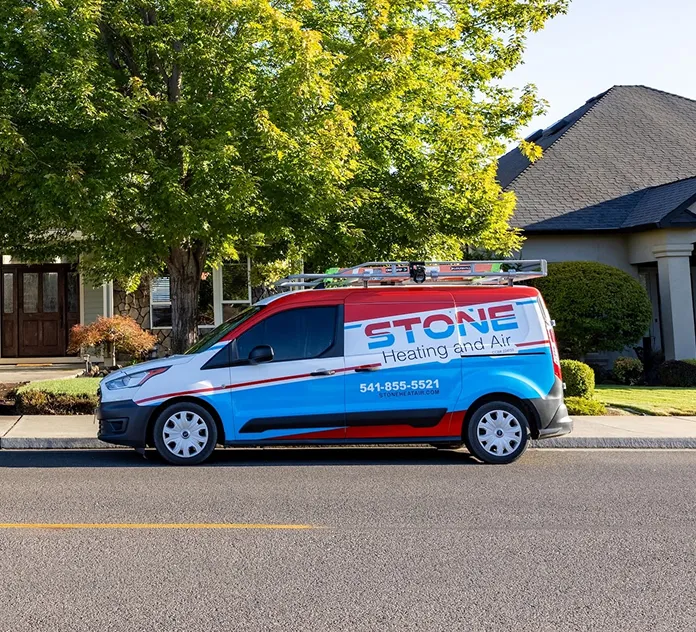
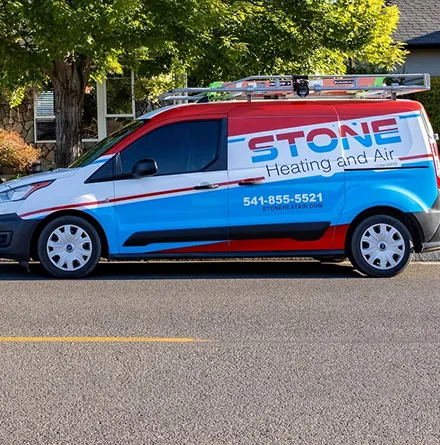

When your heater stops working — no heat, cold air from vents, or a system that won't stay on — every hour without warmth makes your home more uncomfortable and your pipes more vulnerable. Heating failures demand fast, accurate repairs, not trial and error. Stone Heating & Air provides reliable heating repair in Jacksonville, OR, to restore warmth quickly and safely.
We diagnose the real problem and fix it right:
- Furnace and heat pump troubleshooting for all major brands.
- Ignitor, flame sensor, and blower motor replacement.
- Gas valve and thermocouple inspection and repair.
- Emergency heating repair when you can't afford to wait. Call Stone Heating & Air at (541) 855-5521 or schedule heating repair in Jacksonville today.
What You Get Today: Rapid Response and Accurate Diagnostics
When you request a heating repair, the immediate goal is to diagnose the root cause accurately and implement a lasting fix. In Jacksonville, where the weather can fluctuate rapidly from humid warmth to near-freezing temperatures, your heating system—whether it is a furnace or a heat pump—must be ready to perform instantly.
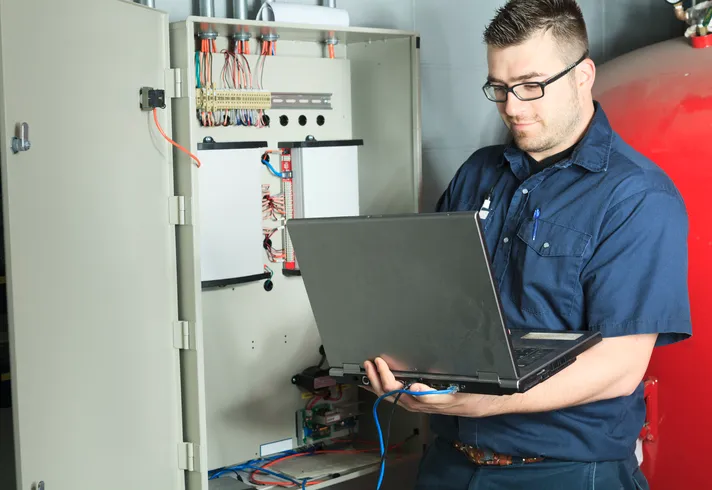
Upon arrival, a technician listens to the specific symptoms you are experiencing. Whether the unit is making banging noises, emitting strange odors, or simply blowing cold air, these sensory details provide critical clues. The technician then performs a comprehensive diagnostic assessment. This involves more than just looking at the thermostat; it requires testing electrical connections, measuring airflow, and inspecting mechanical components for wear and tear.
You can expect a clear, written estimate before any work begins. A professional service technician does not guess; they verify. Once the problem is isolated, you are presented with options. If a simple part replacement solves the issue, that is the path taken. If the damage is extensive, you receive a detailed breakdown of why a more complex repair is necessary. This transparency ensures you remain in control of the service decision, eliminating the anxiety often associated with emergency home repairs — read our FAQs to learn more.
Our Repair Process: Fast, Efficient, and Transparent
Restoring heat to a home involves a systematic approach to ensure safety and efficiency. Modern heating systems are complex machines involving high-voltage electricity, combustible gases (in the case of furnaces), and pressurized refrigerants (in heat pumps). Our process is designed to address these complexities safely — view our work gallery for examples.
Comprehensive System Diagnostics
The repair process begins with a full system evaluation. Technicians do not simply swap parts until the unit turns on; they investigate why the part failed.
- Electrical Analysis: We test capacitors, contactors, and relays to ensure voltage is being distributed correctly. Loose wiring or corroded connections are common culprits in intermittent heating issues.
- Airflow Inspection: Restricted airflow can cause systems to overheat and shut down. We inspect filters, ductwork, and blower motors to ensure heat is moving efficiently from the unit into your living space.
- Safety Controls Testing: Every heater has safety switches designed to prevent fires or damage. We verify that limit switches, flame sensors, and pressure switches are functioning correctly to protect your home.
Precision Component Repair and Replacement
Once the diagnostic is complete and you have approved the work, the repair phase begins. Service trucks are stocked with the most common failure parts to minimize downtime.
- Ignition Systems: For gas furnaces, we repair or replace faulty igniters, pilot assemblies, and flame sensors that prevent burners from firing.
- Heat Pump Components: In our region, heat pumps are common. We address issues with reversing valves (which switch the unit from cool to heat), defrost boards, and auxiliary heat strips that provide warmth during the coldest nights.
- Moving Parts: Blower motors and induced draft motors are subject to heavy wear. We lubricate, repair, or replace these components to reduce noise and restore proper air circulation.
Final Safety and Performance Validation
A repair is not complete until the system has been stress-tested. The technician will cycle the system through its startup and shutdown phases multiple times.
- Temperature Rise Test: We measure the temperature difference between the air entering the return vent and the air leaving the supply vents to ensure the system is generating adequate heat.
- Carbon Monoxide Screening: For homes with gas heating, we perform a mandatory check for carbon monoxide leaks to ensure the air quality in your home is safe.
- Thermostat Calibration: We verify that the thermostat reads the room temperature accurately and communicates effectively with the heating unit.
Deciding Between Repair and Replacement
Homeowners frequently face the difficult decision of whether to continue repairing an aging unit or to invest in a modern replacement. This decision involves analyzing the age of the system, the cost of current repairs, and future reliability.
The 50% Rule and Investment Logic
A common industry standard used to guide this decision is the 50% rule. If the cost of the necessary repair approaches or exceeds 50% of the value of a new system, replacement is generally the more financially sound option. Putting a massive investment into an old system often results in diminishing returns, as other components are likely to fail shortly after.
Age and Reliability Factors
Heating systems typically have a lifespan of 10 to 15 years, depending on maintenance history and the coastal environment factors in Jacksonville.
- Systems under 10 years old: Unless the warranty is void or a major component like the heat exchanger has failed, repair is usually the best option.
- Systems over 15 years old: Components in older units are often obsolete or expensive to source. Furthermore, older units operate at much lower efficiency levels compared to modern standards.
- Frequency of Breakdowns: If you find yourself calling for repairs multiple times in a single season, the cumulative cost of service calls will quickly outpace the monthly cost of financing a new unit.
Efficiency and Humidity Control
Newer systems offer benefits beyond just heat. Modern heat pumps and variable-speed furnaces are significantly better at controlling humidity—a constant battle in our local climate. High-efficiency units (measured in HSPF2 or AFUE ratings) consume less energy to produce the same amount of heat, leading to lower utility bills that can help offset the cost of installation over time.
Code Compliance and Local Permit Insights
Heating repair and replacement work is governed by strict local building codes and safety regulations. Adherence to these standards is non-negotiable for the safety of your property and the validity of your home insurance.
Why Permitting Matters
While minor repairs and maintenance usually do not require a permit, significant work—such as replacing a furnace, changing out a heat pump, or modifying gas lines—often triggers permit requirements in Jacksonville and the surrounding areas.
- Safety Inspections: Permits ensure that a third-party inspector verifies the installation meets safety standards. This prevents dangerous shortcuts regarding electrical wiring or gas piping.
- Resale Value: When selling a home, unpermitted HVAC work can flag during the inspection process, potentially stalling a sale or forcing the seller to pay for retroactive permitting and repairs.
- Warranty Validity: Many manufacturers require proof of professional, code-compliant installation to honor warranty claims.
Local Environmental Considerations
Our region has specific challenges that influence code requirements.
- Hurricane Anchoring: Outdoor units (condensers) must be securely anchored to concrete pads to withstand high winds during tropical storms and hurricanes.
- Flood Elevation: In certain flood-prone zones, equipment may need to be elevated above base flood levels to prevent water damage.
- Electrical Standards: Codes regarding disconnect boxes and wire sizing change periodically. Professional technicians ensure your electrical connections meet the current National Electrical Code (NEC) as adopted by local authorities.
Common Signs Your Heater Needs Professional Attention
Waiting until the system stops working entirely often leads to more expensive repairs. Recognizing the early warning signs of heating failure allows you to schedule service proactively.
Unusual Auditory Cues
Heating systems should operate relatively quietly. New or loud noises indicate mechanical distress.
- Squealing or Screeching: This often points to a slipped blower belt or dry motor bearings that require lubrication.
- Rattling or Banging: Loose panels can cause rattling, but deep banging sounds may indicate a cracked heat exchanger or a serious problem with the blower assembly.
- Clicking without Ignition: If you hear the system clicking repeatedly but the heat never kicks on, the flame sensor or igniter is likely failing.
Sensory and Olfactory Warning Signs
Your nose can often detect problems before they become visible.
- Burning Smells: A dusty smell is normal when you first turn the heat on for the season, but a persistent burning odor—especially one that smells like melting plastic or rubber—indicates an electrical short or an overheating component.
- Rotten Egg Smell: This is the distinct scent added to natural gas. If you smell this, evacuate the home immediately and contact the utility company and emergency services, as you may have a gas leak.
Performance Inconsistencies
- Short Cycling: If the heater turns on and off rapidly without reaching the set temperature, it is "short cycling." This causes excessive wear on the startup components and drives up energy bills.
- Cold Spots: Uneven heating, where some rooms are hot while others remain cold, suggests issues with ductwork integrity or a failing blower motor that cannot push air to the far reaches of the house.
- Rising Energy Bills: A sudden spike in your electric or gas bill without a corresponding change in usage patterns suggests the system is losing efficiency and working overtime to maintain temperature.
Why Trust Us: Licenses, Reviews, and Local Commitment
Selecting a heating repair service is a decision based on trust and technical competence. You need a partner who understands the specific heating load requirements of homes in this climate and possesses the certifications to back up their work — read our reviews to verify our reputation.
Stone Heating and Air operates with a commitment to integrity and technical excellence. We maintain all necessary state and local licenses, ensuring that every technician on our team is qualified to handle high-voltage electrical connections and combustible gas systems. We do not use subcontractors for our core repair services; our team is trained in-house to adhere to our strict quality standards.
Our reputation is built on:
- Technical Expertise: We service all makes and models, including Carrier, Trane, Lennox, Rheem, and more. Whether you have a modern variable-speed heat pump or an older gas furnace, our technicians have the diagnostic tools to fix it.
- Local Knowledge: We understand the local power grid fluctuations and the corrosive effects of salt air on coastal properties. Our repair recommendations are tailored to extend the life of your equipment in this specific environment.
- Customer-Centric Guarantees: We stand behind our work. If a repair fails within the warranty period, we return to fix it. Our goal is to build long-term relationships with homeowners, not just complete a one-time transaction.
When your heat fails, you cannot afford to wait for parts to be ordered or for a technician to guess at the problem. You need decisive action, accurate diagnostics, and a repair that holds up against the weather. We provide the expertise and the urgency required to turn a heating crisis back into a comfortable home environment.
Do not let a broken heater compromise your safety or comfort for another hour. Contact us immediately to schedule your repair service or to discuss replacement options with a licensed expert.
Fast, Reliable Heat Restoration with Stone Heating and Air
A failed heater in the middle of a cold snap is more than an inconvenience—it is a genuine threat to your comfort, safety, and home. Stone Heating and Air delivers rapid response, precise diagnostics, and code-compliant repairs tailored to Jacksonville’s unique climate and code requirements. From catching early warning signs to guiding you through repair-or-replace decisions, our licensed professionals focus on long-term reliability and your peace of mind. Restore warmth and security to your home today by scheduling your heating repair or replacement consultation with Stone Heating and Air.
- Book Expert Service Or Contact Us