

The worst time to discover your furnace has a cracked heat exchanger or a failing ignitor is during a freezing January night. Regular heating maintenance catches these problems while they're still minor and inexpensive to fix. Stone Heating & Air provides thorough heating maintenance in Shady Cove, OR, to keep your system safe, efficient, and reliable all winter.
Annual maintenance prevents emergencies and saves money:
- Heat exchanger inspection for cracks and carbon monoxide risks.
- Burner and ignition system cleaning and testing.
- Blower motor and electrical connection evaluation.
- Filter replacement and airflow verification. Call Stone Heating & Air at (541) 855-5521 to schedule heating maintenance in Shady Cove today.
The Vital Importance of Seasonal Heating Maintenance
Heating systems are complex machines with moving parts, electrical connections, and combustion components that endure significant stress during an Oregon winter. Neglecting these systems often leads to efficiency loss, where the unit consumes more energy to produce the same amount of heat. A tune-up restores the system to factory specifications, ensuring that every dollar spent on utility bills translates directly into home comfort.
Beyond efficiency, the primary driver for professional maintenance is safety. Gas furnaces, in particular, carry inherent risks if not properly maintained. Cracked heat exchangers or blocked flues can lead to carbon monoxide leaks, which are odorless and potentially lethal. Regular service visits allow a technician to identify these structural failures before they pose a threat to your family.
Manufacturers also require proof of annual maintenance to keep warranties valid. If a major component fails and you cannot demonstrate a history of professional care, you may be liable for the full cost of the repair. Routine service acts as an insurance policy for your equipment, preserving the manufacturer’s coverage and protecting your wallet from premature capital expenditures.
Comprehensive System Tune-Up: What Is Included
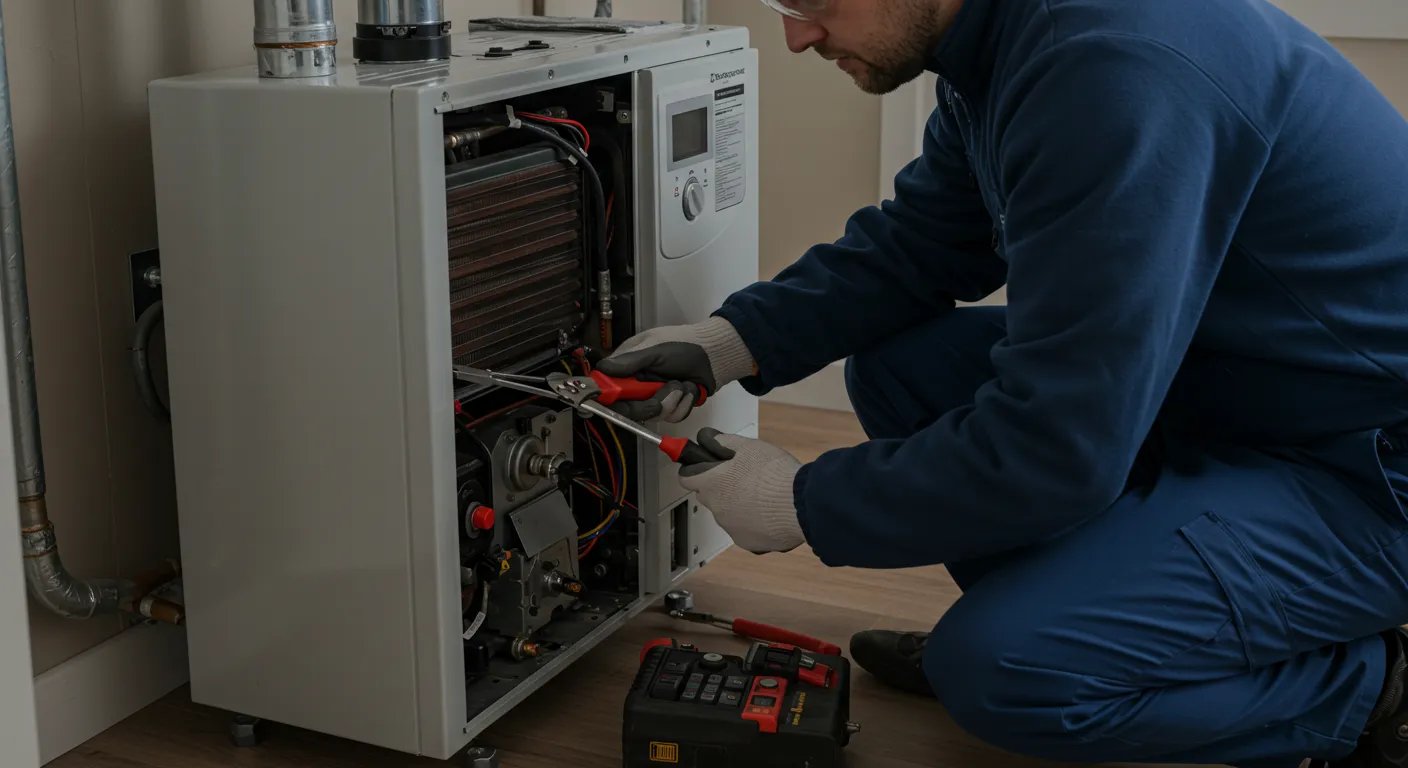
A professional heating tune-up is far more than a simple visual inspection. It involves a rigorous, multi-point checklist designed to test the integrity, safety, and performance of the entire heating system. Whether you utilize a gas furnace, electric furnace, or heat pump, the goal is to optimize operations for the season ahead.
Safety Inspection and Controls
The technician begins by verifying the safe operation of the unit. This includes testing the safety limits and controls that automatically shut the system down in the event of overheating or electrical failure.
- Inspection of the heat exchanger for cracks, corrosion, or separation.
- Testing of the high-limit switch to ensure the burner shuts off if the furnace gets too hot.
- Verification of the flame sensor to ensure gas only flows when a flame is present.
- Carbon monoxide testing to detect any leakage into the living space.
- Examination of the flue pipe and venting system for blockages or loose connections.
Combustion Analysis and Cleaning
For gas-fired units, proper combustion is essential for efficiency. A dirty burner can result in incomplete combustion, soot buildup, and wasted fuel.
- Cleaning of the burner assembly to ensure a clean, blue flame.
- Adjustment of the gas pressure valve to match manufacturer specifications.
- Cleaning of the pilot light or inspection of the hot surface ignitor.
- Removal of dust and debris from the blower compartment.
Electrical and Airflow Optimization
Electrical connections loosen over time due to the vibrations of the system. Loose connections can cause localized overheating and component failure. Furthermore, airflow restrictions are the leading cause of system inefficiency.
- Tightening of all electrical connections and measuring voltage and amperage on motors.
- Inspection of the blower motor and lubrication of moving parts if applicable.
- Testing of the capacitor to ensure the motor receives the correct starting torque.
- Assessment of the air filter and recommendations for replacement if clogged.
- Measurement of static pressure to identify ductwork restrictions.
How the Maintenance Process Works
Engaging a professional for heating maintenance is a streamlined process designed to minimize disruption to your day while maximizing the results for your home. The focus is on thoroughness and transparency.
- Arrival and Assessment: The process begins with the technician arriving at your property equipped with diagnostic tools and replacement parts. They will respect your home by wearing shoe covers and using drop cloths around the work area. Before opening the unit, the technician will briefly discuss any specific issues you have noticed, such as strange noises, cold spots in the house, or rising energy bills.
- The Technical Tune-Up: Once the system is accessible, the technician performs the hands-on work. This involves cycling the system through its operations to observe how it starts, runs, and shuts down. They will proceed through the cleaning, tightening, and testing phases detailed in the scope of work. This is a hands-on process where panels are removed, and internal components are scrutinized.
- Reporting and Recommendations: After the service is complete, the technician provides a detailed report of the findings. This is not just a receipt; it is a health assessment of your heating system.
- Review of the checklist showing which components passed and which showed signs of wear.
- Explanation of any immediate repairs needed to prevent a breakdown.
- Recommendations for future improvements, such as air quality add-ons or thermostat upgrades.
- Confirmation that the area has been cleaned and the system is running safely.
Deciding Between Repair and Replacement
While maintenance extends the life of a heating system, every unit eventually reaches a point where replacement is the more improved financial decision. Knowing when to stop repairing a dying system and invest in a new one can save thousands of dollars in the long run.
- The Age of the System: Heating systems typically last between 15 and 20 years. If your unit is approaching or has surpassed the 15-year mark, major repairs are often not worth the investment. New systems are significantly more efficient, meaning the monthly savings on utility bills can help offset the cost of installation.
- The Cost of Repairs: Industry experts often refer to the "50% Rule." If the cost of a necessary repair approaches 50% of the value of the system, or 50% of the cost of a new unit, replacement is the wiser choice. Putting expensive parts into an old system is often throwing good money after bad, as other aging components are likely to fail soon after.
- Frequency of Breakdowns: If you find yourself calling for repairs multiple times in a single season, the system has likely become unreliable. The cost of frequent service calls, combined with the inconvenience of unreliable heat during a Shady Cove winter, suggests that the system has reached the end of its service life.
- Rising Energy Bills: As systems age, they lose efficiency. If your heating usage hasn't changed but your bills have spiked, the equipment is working harder to produce the same result. A modern, high-efficiency system can reduce energy consumption by a significant margin compared to a unit that is two decades old.
- Safety Concerns: If a technician discovers a cracked heat exchanger in an older furnace, replacement is almost always the only safe option. Attempting to repair a heat exchanger is difficult and often unreliable. When the safety of your home is at risk due to carbon monoxide potential, immediate replacement is necessary.
Local Considerations for Heating in Oregon
Operating a heating system in Shady Cove requires specific attention to the local climate and infrastructure. The Pacific Northwest presents unique challenges that generic maintenance checklists might miss.
- Managing Humidity and Condensation: Winters in this region are wet. High humidity levels can affect how heat feels in the home and how the system operates. For heat pumps, the outdoor unit is prone to frost buildup during the cold, damp days where temperatures hover in the 30s. A proper tune-up ensures the defrost cycle is functioning correctly so the unit doesn't freeze over and lose capacity. For gas furnaces, proper venting is critical to prevent condensation from damaging the flue or the furnace internals.
- Electrical and Utility Stability: During winter storms, power fluctuations can occur. Modern heating systems have sensitive circuit boards that can be damaged by surges or brownouts. Stone Heating and Air technicians check grounding and electrical protections to ensure the system can handle minor fluctuations. Additionally, ensuring the system is calibrated to the specific caloric value of the local natural gas supply ensures optimal burning efficiency.
- Seasonality and Timing: The best time to schedule maintenance is in early autumn, before the first frost hits. Once the heavy rains and freezing temperatures arrive, emergency service calls spike, and wait times can increase. Proactive homeowners in Shady Cove schedule their service early to ensure they are not left in the cold during the first snap of winter.
Technical Differentiators and Service Standards
Choosing the right provider for heating maintenance determines the longevity of your system. Technical expertise separates a true tune-up from a superficial cleaning.
- Certified Diagnostics: We utilize advanced diagnostic tools to measure the unseen aspects of your system's performance. This includes digital manometers for pressure testing and combustion analyzers for gas efficiency. We do not guess; we measure against manufacturer specifications.
- Comprehensive Documentation: Every service call is documented. This provides a history of the equipment, which is vital for warranty claims and real estate transactions. You will have a clear record of what work was performed and the condition of the system at that time.
- Part Availability: We stock our vehicles with the most common universal parts. If a capacitor is weak or a glowing ignitor is showing high resistance, we can often replace it on the spot without a second trip. This efficiency gets your system back to peak performance immediately.
Secure Your Comfort for the Season Ahead
Don't wait for the first freezing night to discover your heating system isn't working. Professional maintenance provides peace of mind, lower energy bills, and a safer home environment. By addressing small issues now, you prevent expensive emergency repairs later. Trust your home comfort to the experts who understand the local climate and the intricacies of modern heating technology.
Take the proactive step to protect your home and family. Schedule your professional heating maintenance today and ensure a warm, worry-free winter.
- Book Expert Service Or Contact Us