
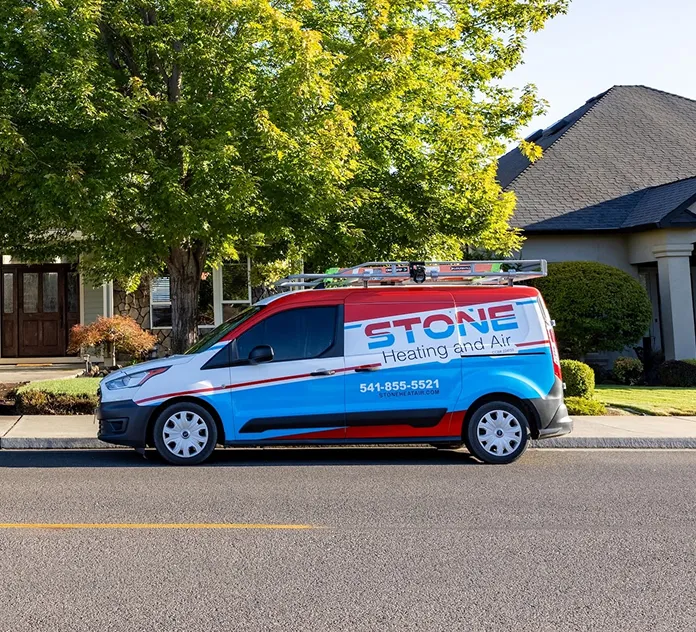
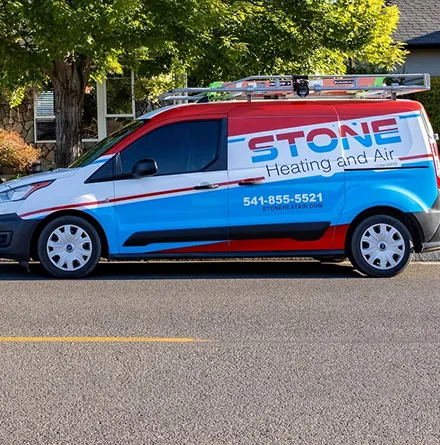

Installing a new air conditioner isn't just about picking a unit — it's about getting the right size, proper ductwork, and correct refrigerant charge for your specific home. A poorly installed AC wastes energy from day one and fails years before it should. Stone Heating & Air provides expert AC installation in Shady Cove, OR, with precise load calculations and professional setup.
We get your new cooling system right the first time:
- Home load calculations to match the perfect AC size to your space.
- Professional installation of high-efficiency systems from top brands.
- Ductwork evaluation and modification to ensure proper airflow.
- Post-install testing and performance verification before we leave. Call Stone Heating & Air at (541) 855-5521 or schedule your free estimate in Shady Cove today.
Comprehensive Air Conditioning Installation Services
Investing in a new air conditioning system is about more than just purchasing a unit; it is about securing a complete cooling solution that addresses the specific thermal characteristics of your property — view our gallery. A successful installation begins long before the equipment arrives. The focus remains on calculating the exact cooling load required to combat the dry, intense heat typical of summers in this area. An oversized unit will short-cycle, leading to wear and tear, while an undersized unit will run continuously without ever achieving the desired temperature.
Homeowners can expect a thorough evaluation of existing ductwork and insulation levels. If the infrastructure supporting the AC unit is compromised, even the highest-rated system will underperform. The goal is to create a sealed, efficient loop where cold air is delivered exactly where it is needed without leaking into attics or crawlspaces. This comprehensive approach ensures that the equipment operates at the manufacturer’s rated efficiency from day one.
Modern installations also take into account the integration of smart thermostats and zoning systems. By updating the control mechanisms alongside the mechanical equipment, you gain granular control over your indoor climate. This allows for temperature adjustments based on occupancy and time of day, further driving down operational costs while maximizing comfort during the hottest parts of the day.
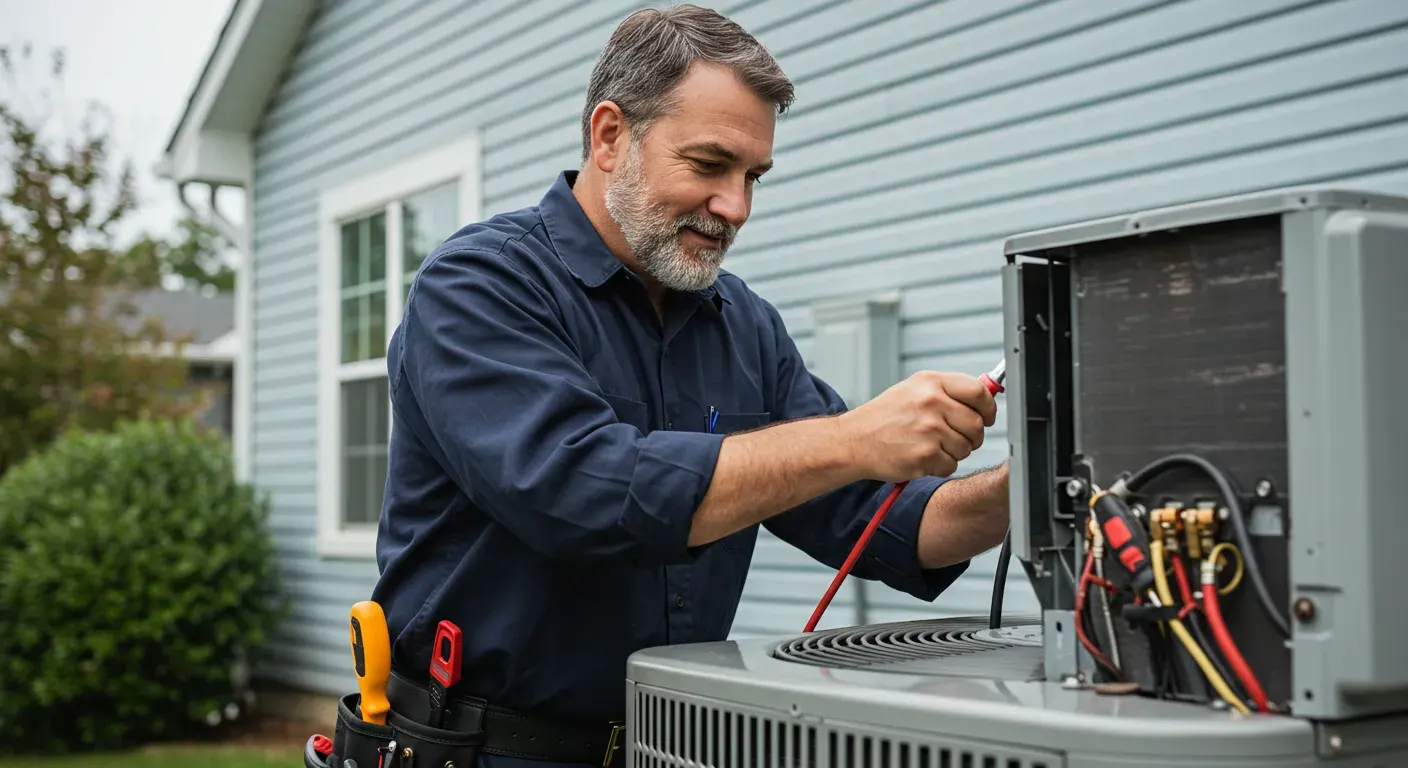
The Professional Installation Process: Step-by-Step
A professional installation follows a rigorous, standardized procedure to ensure safety, efficiency, and system longevity. Unlike amateur attempts, a certified installation mitigates the risk of refrigerant leaks, electrical hazards, and poor airflow. The process is designed to be transparent, ensuring you understand exactly what is happening at every stage of the project.
- Site Assessment and Load Calculation:The process initiates with a Manual J load calculation. This engineering calculation considers square footage, window orientation, insulation quality, and local climate data to determine the precise British Thermal Unit (BTU) capacity required.
- Safe Removal of Existing Equipment: Technicians safely disconnect the old unit, ensuring all electrical power is cut off. Existing refrigerant is captured and reclaimed according to Environmental Protection Agency (EPA) guidelines to prevent environmental contamination. The old equipment is then hauled away for proper disposal.
- Site Preparation and Pad Stabilization: The ground outside where the condenser unit sits is leveled and stabilized. A new composite or concrete pad is installed to prevent the unit from sinking or vibrating, which can damage copper lines over time.
- Ductwork and Indoor Coil Inspection: The indoor evaporator coil is inspected or replaced to match the new outdoor condenser. If the evaporator coil does not match the condenser’s SEER rating and refrigerant type, the system will not function correctly. Stone Heating and Air technicians also inspect the plenum and immediate duct connections for air leaks.
- Line Set Installation and Brazing: New copper refrigerant lines are run between the indoor and outdoor units. The connections are brazed using nitrogen purging techniques to prevent oxidation inside the pipes, which protects the compressor from future debris damage.
- Vacuum and Pressure Testing: Before refrigerant is released, the system undergoes a pressure test to ensure there are no leaks. A deep vacuum is pulled to remove all moisture and non-condensables from the lines. This step is critical; moisture left in the lines reacts with refrigerant to create acid, which burns out compressors.
- System Charging and Commissioning: The system is charged with the precise amount of refrigerant specified by the manufacturer. Technicians then start the system, measuring static pressure, airflow, and temperature splits to verify optimal performance.
Determining When to Replace vs. Repair
Deciding between repairing an aging unit and investing in a replacement is a common dilemma for homeowners. While repairs may seem cheaper upfront, they often act as a temporary bandage on a failing system. Several financial and mechanical indicators help clarify when replacement is the more prudent financial decision — view common questions.
- The 50% Rule: If the cost of a necessary repair approaches or exceeds 50% of the value of the system, replacement is generally the better option. Putting significant money into a depreciating asset rarely yields a return on investment.
- The $5,000 Rule: Multiply the age of your equipment by the estimated repair cost. If the total exceeds $5,000, replacement is recommended. For example, a 12-year-old unit requiring a $500 repair (12 x 500 = 6,000) is a prime candidate for replacement.
- Frequency of Breakdowns: If you have required service calls more than twice in the last two years, the system has likely reached the end of its reliability. Continuous minor repairs accumulate costs that could have gone toward a new warranty-backed system.
- Refrigerant Type: Older systems often use R-22 refrigerant (Freon), which has been phased out due to environmental regulations. As supplies dwindle, the cost of R-22 has skyrocketed. If an older unit develops a leak, upgrading to a system that uses R-410A or newer refrigerants is the only logical choice.
- Rising Energy Bills: As internal components wear down, motors and compressors must work harder to produce the same amount of cooling. If your usage habits haven't changed but your utility bills in Shady Cove are climbing, the system’s efficiency has degraded significantly.
Local Considerations for AC Installation
Operating an air conditioning system in Oregon requires specific attention to environmental factors and local regulations. The climate presents distinct challenges that standard "out-of-the-box" installations may not address effectively.
- High-Temperature Performance: While the region has mild winters, summer temperatures can spike into the 90s. The system must be rated to handle these peak loads without straining. Equipment with higher SEER ratings is particularly beneficial here, as it maintains efficiency even during prolonged heatwaves.
- Wildfire Smoke and Air Quality: During summer months, the risk of wildfire smoke is a tangible concern. An AC installation is the perfect time to upgrade air filtration. Installing high-MERV media filters or whole-home air purifiers within the HVAC system ensures that while the house is being cooled, dangerous particulates are being removed from the breathing air.
- Permitting and Code Compliance: All HVAC installations involving electrical work and gas lines require proper permitting. This ensures that the electrical circuit is dedicated and properly grounded, reducing fire risks. It also verifies that the installation meets current energy codes. Selling a home with unpermitted HVAC work can cause significant delays during the closing process.
- Utility Rebates and Incentives: Local utility providers often offer rebates for upgrading to high-efficiency heat pumps or central air conditioners. These incentives can significantly offset the initial installation cost. Professional installers can help identify which equipment qualifies for current rebate programs.
The Importance of Correct System Sizing
One of the most pervasive myths in HVAC is that "bigger is better." In reality, an oversized air conditioner is detrimental to home comfort and equipment health. When a unit is too large for the square footage it serves, it cools the air too rapidly. The thermostat satisfies the temperature setting before the system has completed a full cycle.
This rapid on-and-off cycling, known as short-cycling, prevents the system from removing humidity effectively. Although the air feels cold, the home may feel clammy or damp. Furthermore, the compressor—the most expensive component of the AC—requires the most energy upon startup. Frequent startups lead to massive energy waste and premature mechanical failure.
Conversely, an undersized unit will run continuously on hot days, never reaching the set temperature. This leads to high electric bills and a reduced lifespan for the unit due to constant operation. The only way to ensure the correct size is through a detailed load calculation that factors in the unique thermal properties of the residence.
Energy Efficiency Ratings and Technology
Understanding efficiency ratings is crucial for making an informed purchase decision. The Seasonal Energy Efficiency Ratio (SEER2) measures how efficiently an air conditioner operates over a typical cooling season. The higher the SEER2 rating, the less energy the unit consumes to provide the same amount of cooling.
- Single-Stage Compressors: These units operate at 100% capacity whenever they are on. They are the most affordable upfront but the least efficient. They tend to produce more temperature swings within the home.
- Two-Stage Compressors: These units can operate at a lower capacity (usually around 70%) for milder days and ramp up to 100% only when necessary. This provides better humidity control and more consistent temperatures.
- Variable-Speed Compressors: These represent the pinnacle of HVAC technology. They can adjust their output in tiny increments, running at low speeds for longer periods. This maintains the temperature within a fraction of a degree of the thermostat setting and offers the quietest, most efficient operation.
Warranty Protection and Maintenance
A new air conditioning installation is a significant investment protected by manufacturer warranties and labor guarantees. Most major manufacturers offer a 10-year limited parts warranty on new equipment, provided the unit is registered shortly after installation. This covers major components like the compressor and coils against defects — see our reviews.
However, warranties are often contingent upon regular professional maintenance. Manufacturers require proof of annual service to keep the warranty valid. Neglecting annual tune-ups can void this coverage, leaving the homeowner responsible for expensive repairs. During the installation process, it is vital to understand the terms of the labor warranty provided by the installer, which covers the workmanship involved in the project.
Proper documentation of the installation and subsequent maintenance visits is essential. A professional service provider will keep these records on file, ensuring that if a warranty claim is ever needed, the process is streamlined and hassle-free.
Secure Your Comfort With Professional Installation
Do not wait for the peak of summer to address your home’s cooling needs. A proactive installation ensures you are not left waiting during the busiest time of the year and allows for a thoughtful selection of the best equipment for your specific requirements. Stone Heating and Air is dedicated to providing precise, code-compliant installations that deliver reliable cooling for years to come.
Ensure your home remains cool, efficient, and comfortable regardless of the outside temperature. Contact us today to schedule your consultation and take the first step toward a perfectly cooled home.
- Book Expert Service Or Contact Us