
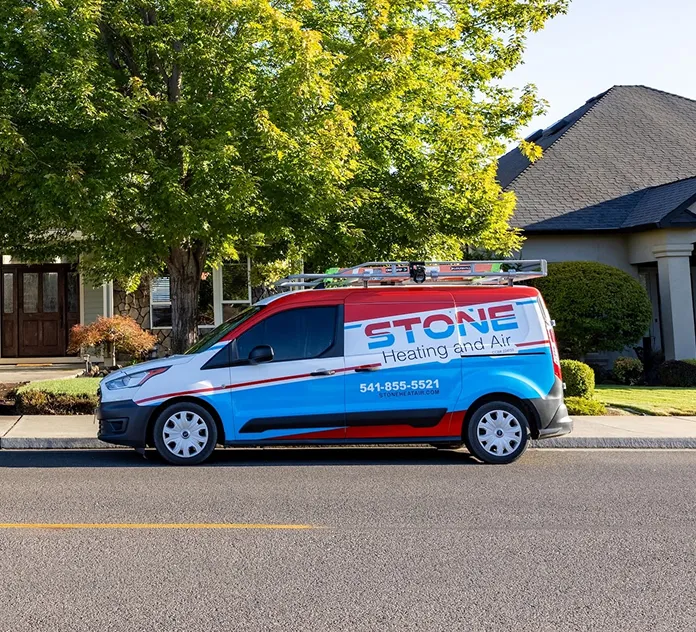
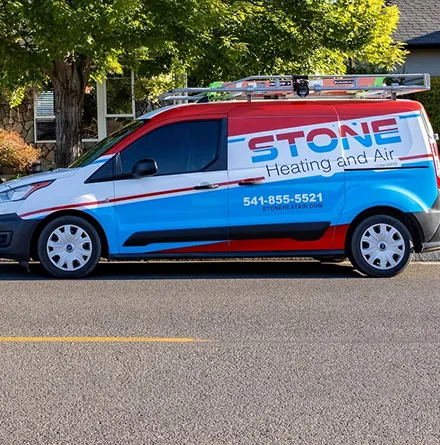

When your HVAC system stops heating, won't cool, or starts making alarming noises, you need a technician who can diagnose the actual problem — not someone who replaces parts until something works. Misdiagnosis wastes your money and leaves you uncomfortable. Stone Heating & Air provides accurate, efficient HVAC repair in Phoenix, OR, for all system types and brands.
We find the problem fast and fix it right:
- Detailed diagnostics using pressure testing and electrical analysis.
- Heating and cooling component repair and replacement.
- Thermostat, airflow, and ductwork troubleshooting.
- Emergency HVAC repair for urgent failures. Call Stone Heating & Air at (541) 855-5521 or schedule HVAC repair in Phoenix today.
Immediate Response and Comprehensive Diagnostics
When you request service for a malfunctioning air conditioner or heater, the priority is minimizing downtime. In the extreme heat of Arizona, a broken AC is not just an inconvenience; it is a safety hazard for families, pets, and electronics. Our service model is built around rapid mobilization and precise diagnostics. We do not guess at the problem; we utilize advanced testing equipment to isolate the specific mechanical or electrical failure.
Upon arrival, a technician assesses the entire system, not just the obvious symptoms. While you may notice that the unit is blowing warm air or making a grinding noise, these are often indicators of deeper issues. For example, a frozen evaporator coil is a symptom, but the root cause could be low refrigerant, a failing blower motor, or restricted airflow. Addressing only the symptom ensures the problem will return. Our scope of work involves a complete evaluation of the condenser, air handler, thermostat calibration, and ductwork integrity.
We cover a wide array of repair needs, including:
- Refrigerant Leaks: Locating and sealing leaks before recharging the system to manufacturer specifications.
- Electrical Failures: Replacing blown capacitors, worn contactors, or frayed wiring that prevents the unit from starting.
- Compressor Issues: Diagnosing hard starts or mechanical seizing in the heart of your AC unit.
- Fan Motor Replacement: Swapping out seized or burned-out motors that stop heat dissipation.
- Thermostat Malfunctions: Recalibrating or replacing control units that fail to communicate with the HVAC system.
- Drainage Problems: Clearing clogged condensate lines that trigger safety float switches and shut down the system.
The Repair Process: From Diagnosis to Resolution
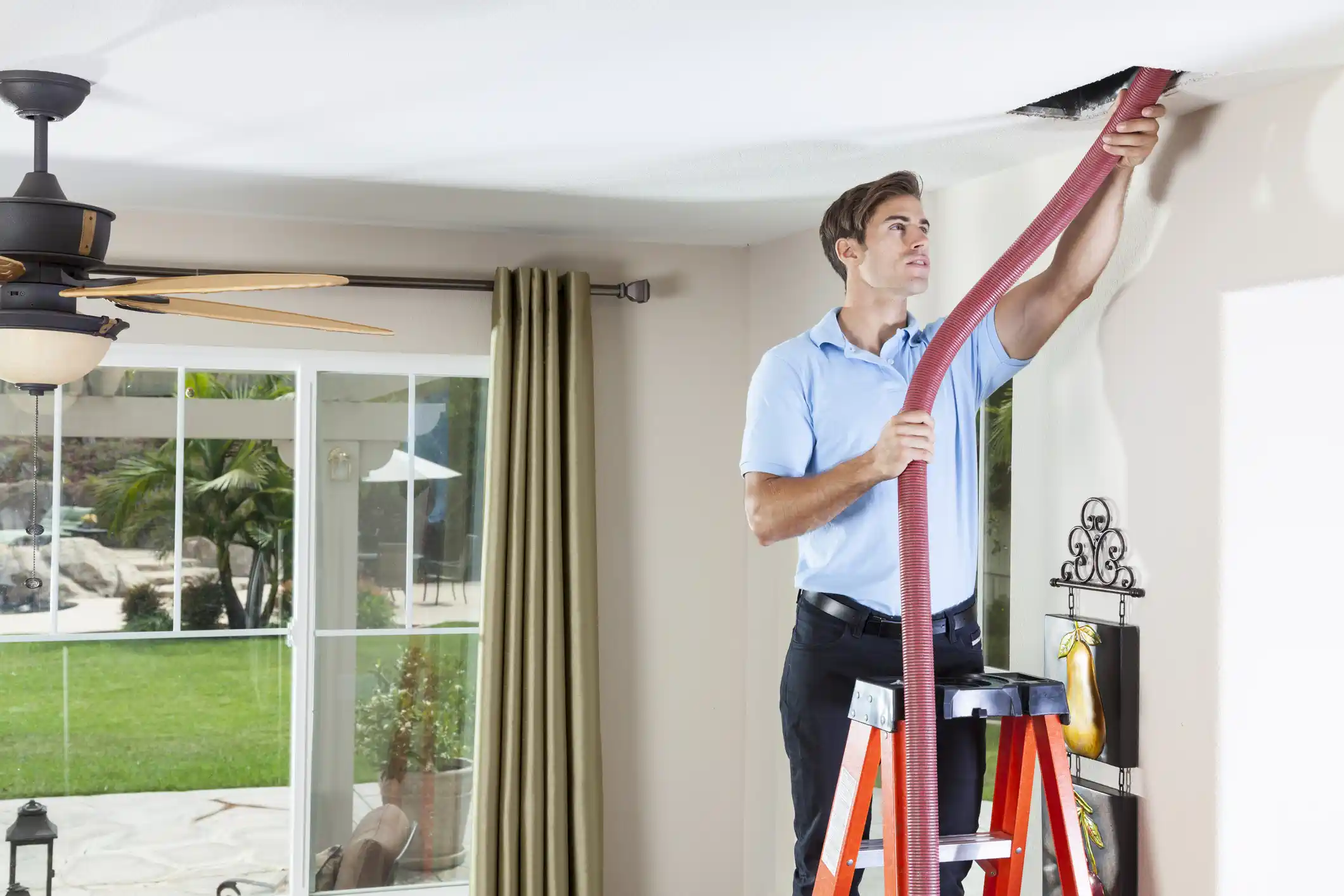
Understanding what happens during a service call eliminates uncertainty. We follow a strict protocol to ensure safety, efficiency, and transparency throughout the repair process. This structured approach allows us to provide accurate quotes and avoid surprise charges — visit our FAQs.
- First, the technician conducts a visual inspection and listens to the unit during operation (if it runs). This helps identify loose components, vibration issues, or obvious signs of wear like oil stains indicating a leak.
- Next, we use gauges and multimeters to measure system pressures, voltage, and amperage. This data tells us if components are operating within their designed range. For example, a compressor drawing too many amps is a sign of impending failure.
- Then, once the issue is isolated, the technician explains the findings clearly. You receive a breakdown of the required repairs, the cost of parts and labor, and an estimated timeline for completion. No work begins without your explicit approval.
- After approval, the repair is performed using high-quality OEM or equivalent parts. We stock our trucks with common components to maximize the chance of a same-day fix. If a specialty part is needed, we handle the sourcing and expedite delivery.
- Finally, after the repair is complete, we do not simply leave. The system is test-run through a full cycle. We measure the temperature split (the difference between supply and return air) to verify cooling capacity and ensure the unit cycles off correctly. We also check for any carbon monoxide issues if gas heating components were involved.
Determining When to Repair vs. Replace
One of the most difficult decisions a homeowner faces is whether to invest in another repair or replace the system entirely. While our primary goal is to repair your existing equipment, there is a financial tipping point where repair becomes throwing good money after bad. We provide honest assessments based on the condition of your unit, not sales quotas.
Consider the following factors when making this decision:
- The 50% Rule: If the cost of the repair approaches 50% of the value of a new system, replacement is generally the smarter financial move. A massive repair bill on an old unit rarely adds value to the home, whereas a new system increases efficiency and reliability immediately.
- System Age: In the harsh local climate, the average lifespan of an AC unit is often shorter than the national average, typically landing between 10 to 15 years. If your unit is over 12 years old and facing a major component failure (like a compressor), replacement is often recommended.
- Refrigerant Type: Older units utilize R-22 Freon, which has been phased out and is exponentially expensive to replenish. If your R-22 system has a leak, the cost to refill it may outweigh the cost of a down payment on a modern R-410A or newer refrigerant system.
- Frequency of Breakdowns: If you have required multiple repairs in the last two years, the system is likely suffering from "cascading failures." As one part is fixed, the stress transfers to other aging components, leading to a cycle of constant expense.
- Energy Efficiency: Modern units have much higher SEER (Seasonal Energy Efficiency Ratio) ratings. Replacing a 10 SEER unit with a 16+ SEER unit can result in significant monthly savings on electricity, eventually offsetting the cost of installation.
Regional Considerations and Compliance
Operating HVAC equipment in this region requires specific knowledge of environmental factors and local regulations. The intense heat places a thermal load on equipment that is unmatched in most other parts of the country. This necessitates not just standard repairs, but robust solutions capable of withstanding triple-digit temperatures for weeks on end.
- Monsoon Season: Dust storms and high winds can clog condenser coils rapidly. A repair visit often involves checking for storm debris that restricts airflow and causes the system to overheat. Ensuring the outdoor unit is clear is vital for efficiency.
- Permits and Codes: Major repairs, particularly those involving structural changes, gas lines, or full system replacements, may require local building permits. We ensure all work complies with local safety codes to protect your home’s value and insurance validity.
- Utility Rebates: Local utility providers like APS (Arizona Public Service) and SRP (Salt River Project) often offer rebates for repairing duct leakage or upgrading to high-efficiency units. We stay informed on current rebate programs to help you save money on qualifying services.
- Electrical Grid Strain: During peak summer months, voltage fluctuations from the grid can damage sensitive HVAC capacitors and boards. We check for signs of electrical stress and may recommend surge protectors to safeguard the repaired unit against future grid instability.
Technical Expertise and Service Standards
The difference between a temporary patch and a permanent solution lies in the expertise of the technician. Stone Heating and Air employs professionals who understand the thermodynamics and electrical engineering behind modern HVAC systems. We do not rely on shortcuts.
- Certified Technicians: Our team undergoes regular training to stay current with the latest HVAC technologies, including variable-speed compressors and smart thermostat integration.
- Fully Stocked Vehicles: We aim to resolve the issue in a single visit. Our service vehicles carry a vast inventory of universal parts, reducing the need for follow-up appointments and minimizing your time without climate control.
- Respect for Property: Repairing an HVAC system can be messy, but we take precautions to protect your home. We use drop cloths and shoe covers, and we clean up the workspace thoroughly once the job is done — view our gallery.
- Transparent Communication: You will never be pressured into a service you do not need. We explain the "why" behind every recommendation, ensuring you feel confident in the decision you make.
Secure Your Fast, Professional HVAC Repair Appointment
Maintaining a comfortable indoor environment is essential for your health and productivity. When your system falters, you need a partner who values your time and prioritizes your safety.
Don't let a broken HVAC system disrupt your life any longer; secure your appointment now for fast, professional repair.
- Book Expert Service Or Contact Us