
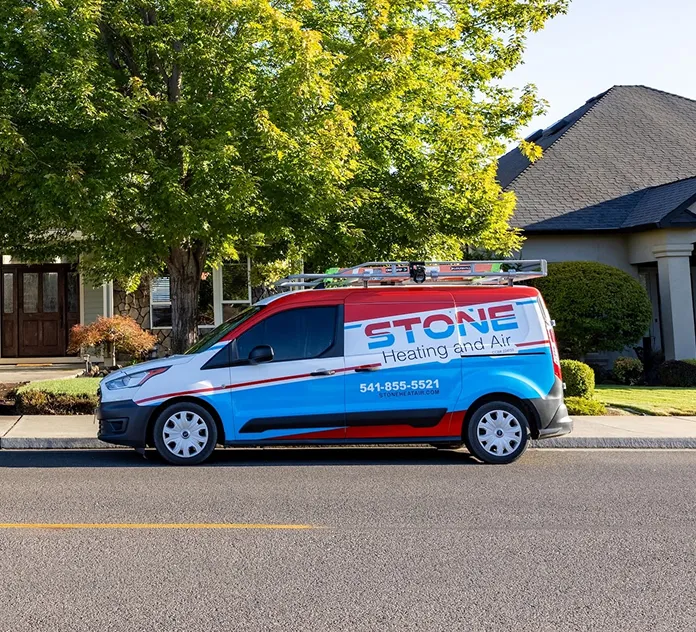
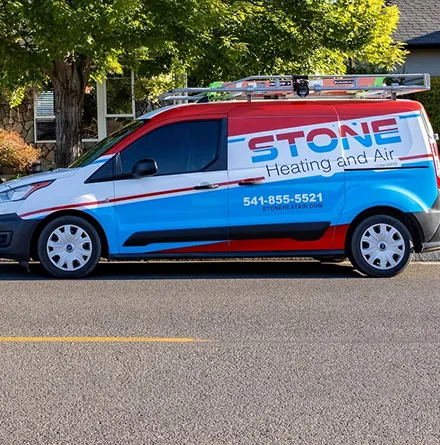

When your HVAC system stops heating, won't cool, or starts making alarming noises, you need a technician who can diagnose the actual problem — not someone who replaces parts until something works. Misdiagnosis wastes your money and leaves you uncomfortable. Stone Heating & Air provides accurate, efficient HVAC repair in Applegate, OR, for all system types and brands.
We find the problem fast and fix it right:
- Detailed diagnostics using pressure testing and electrical analysis.
- Heating and cooling component repair and replacement.
- Thermostat, airflow, and ductwork troubleshooting.
- Emergency HVAC repair for urgent failures. Call Stone Heating & Air at (541) 855-5521 or schedule HVAC repair in Applegate today.
Immediate Assistance for HVAC Failures
When an HVAC system fails, the root cause is rarely visible on the surface. It requires a technical approach to identify whether the issue stems from an electrical fault, a mechanical breakdown, or a refrigerant leak. Homeowners often notice warning signs such as short-cycling, where the unit turns on and off rapidly without reaching the set temperature, or strange noises like grinding and rattling. These are not just annoyances; they are indicators that a specific component—such as the compressor, blower motor, or heat exchanger—is struggling to operate.
Delaying a repair when these signs appear often leads to a "hard failure," where the system ceases to function entirely, often during the most extreme weather conditions. Our approach focuses on isolating the variable causing the failure. whether it is a furnace refusing to ignite during a cold snap or an air conditioner blowing warm air during a heatwave. We prioritize restoring functionality quickly, minimizing the downtime that affects your indoor air quality and comfort.
Our Services: Intuitive and Urgent Resolution
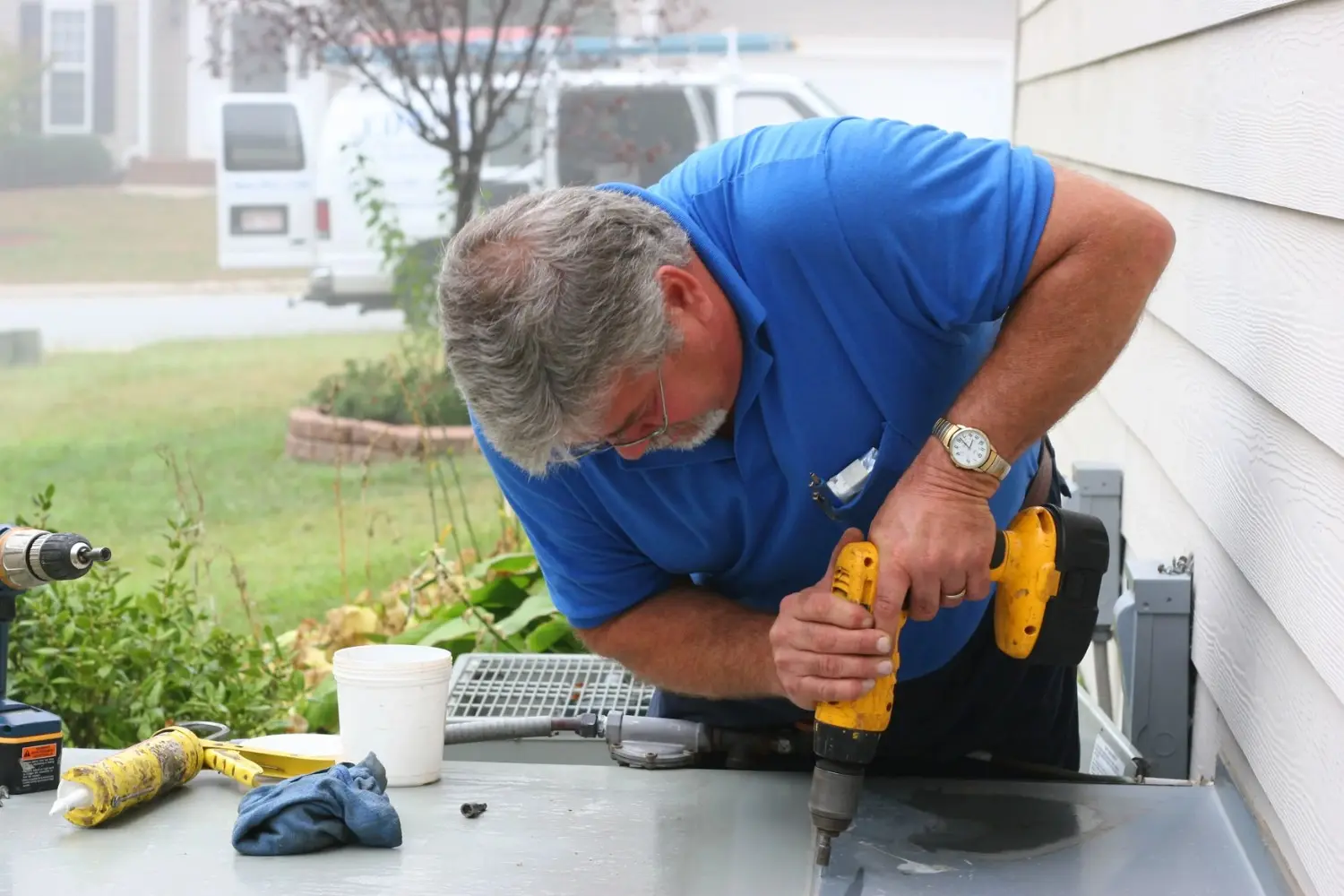
We provide a comprehensive scope of repair services designed to address every aspect of your HVAC system’s performance. Our goal is not just to patch the problem but to return the unit to manufacturer specifications. When a technician arrives at your property in Applegate, they are prepared to tackle a wide variety of mechanical and electrical issues on the spot.
Comprehensive Diagnostic and Repair Capabilities
- Airflow and Ductwork Analysis: We inspect the static pressure within your ductwork to ensure air is moving freely. Restrictions caused by collapsed ducts or clogged filters can overheat the blower motor and cause system freeze-ups.
- Refrigerant Leak Detection and Recharge: Low refrigerant levels indicate a leak, which must be sealed before recharging. Simply adding fluid is a temporary fix that violates EPA regulations; we find the leak, repair it, and charge the system to the precise subcooling or superheat levels required.
- Electrical Component Replacement: Faulty capacitors, contactors, and relays are common culprits for systems that hum but will not start. We test voltage and amperage draw to identify and replace failing electrical parts before they damage the compressor.
- Thermostat and Control Calibration: Modern HVAC systems rely on complex communication between the thermostat and the control board. We verify that these signals are being sent and received correctly to ensure accurate temperature control.
- Ignition System Repair: For heating units, we troubleshoot issues with pilot lights, hot surface igniters, and flame sensors to ensure safe and reliable combustion.
Streamlined Process for Faster Resolution
We understand that when your HVAC system is down, you do not have time for a complicated booking process or vague arrival windows. We have structured our service workflow to be efficient, transparent, and respectful of your time. This process ensures you know exactly what is happening with your repair from the moment you initiate service until the final system test:
- Initial Triage and Scheduling: When you request service, our team assesses the severity of the issue to prioritize emergency situations. We schedule a dispatch window that fits your availability.
- Arrival and Diagnostic Assessment: Upon arrival, the technician conducts a thorough multi-point inspection. This involves using specialized gauges, meters, and thermal imaging tools to gather data on the system’s performance.
- Clear Reporting and Estimates: Once the issue is identified, we provide a clear explanation of the failure and a flat-rate quote for the repair. You will see exactly what parts are needed and the labor cost involved before any work begins.
- Execution of Repairs: With your approval, we proceed with the repair using OEM (Original Equipment Manufacturer) or high-quality equivalent parts. Our service vehicles are stocked with common components to maximize the chance of a first-visit resolution.
- System Testing and Validation: After the repair is complete, we do not just leave. We cycle the system through its operations, checking temperature differentials and amp draws to verify the repair holds under load.
- Site Cleanup and Documentation: We ensure the work area is clean and provide you with detailed documentation of the service performed, which is vital for maintaining warranty validity.
Deciding When to Repair or Replace
One of the most difficult decisions a homeowner faces is determining whether to invest in another repair or to replace the system entirely. While our primary goal is to repair your existing equipment, there is a financial and logical tipping point where replacement becomes the more prudent investment. We help you navigate this decision using data, not sales pressure — check our FAQs.
The 50% Rule
A general industry standard is the 50% rule: if the cost of the repair approaches 50% of the value of a new system, replacement is usually the better option. However, this calculation must also factor in the age of the unit.
Age and Efficiency Considerations
- Units Under 10 Years Old: If your system is relatively new and under warranty, repair is almost always the correct path. The components usually have plenty of service life remaining.
- Units Over 15 Years Old: HVAC technology has advanced significantly. A 15-year-old unit likely has a much lower SEER (Seasonal Energy Efficiency Ratio) or AFUE (Annual Fuel Utilization Efficiency) rating than modern standards. repairing a major component like a compressor on an old unit is often throwing good money after bad, as other parts are likely to fail soon.
- Frequency of Breakdowns: If you have required repairs more than twice in the last two years, your system is becoming unreliable. The cumulative cost of frequent service calls quickly outpaces the monthly cost of financing a new, efficient system.
- R-22 Refrigerant Availability: Older AC units utilize R-22 refrigerant (Freon), which has been phased out. Repairs involving refrigerant loops on these systems are exorbitantly expensive due to scarcity. If you have an R-22 leak, replacement is almost mandatory.
Local Regulations & Seasonal Considerations
Operating an HVAC system in Applegate requires attention to specific regional factors that impact equipment longevity and performance. The local climate, characterized by distinct seasonal shifts, places unique demands on both heating and cooling components.
Seasonal Stressors
- High Summer Load: Summers in this region can see sustained high temperatures. This requires air conditioning condensers to work at maximum capacity for long durations. Debris from local vegetation can clog condenser coils, reducing efficiency and spiking energy bills. Regular repairs often involve deep cleaning these coils to prevent compressor burnout.
- Winter Heating Demands: Winters can be chilly, requiring reliable furnace or heat pump operation. In heat pumps, the defrost cycle is critical in this climate to prevent ice buildup on the outdoor unit. Malfunctions in the defrost board or sensors are common repair needs during the winter months.
- Air Quality and Wildfire Season: The region is occasionally subject to wildfire smoke. This necessitates high-efficiency filtration. However, using high-MERV filters in a system not designed for them can restrict airflow and damage the blower motor. We help ensure your system repair includes assessing if your ductwork can handle improved filtration.
Permits and Compliance
Any significant repair that involves altering the gas line, handling refrigerant, or modifying electrical circuits must comply with Oregon building codes. Unpermitted work can lead to fines and complications when selling your home. We ensure all repairs meet the strict safety and environmental standards required by local authorities, including proper recovery and disposal of refrigerants.
Common HVAC Failure Modes and Solutions
To better understand what might be wrong with your system, it helps to look at the specific failure modes we frequently encounter in the field. Understanding these issues can help you communicate more effectively with our technicians and understand the urgency of the situation.
The "Silent" Failure
Sometimes a system simply stops. The thermostat calls for cooling or heating, but nothing happens. This is often an electrical safety lockout:
- Furnace Lockouts: Modern furnaces have safety switches that detect if the flue is blocked, the burner is getting too hot, or the flame is rolling out. If any of these trip, the board locks the system out to prevent fire or carbon monoxide poisoning. We diagnose which safety switch tripped and, more importantly, why it tripped.
- AC Compressor Protection: If a compressor overheats or experiences a power surge, internal overloads may trip. We test the windings and capacitors to determine if the compressor can be saved or if the electrical support components failed.
The "Noisy" Operation
New noises are never a good sign:
- Squealing: This usually indicates a loose belt on older units or a failing blower motor bearing. Ignoring this can lead to the motor seizing completely.
- Hissing: A distinctive hissing noise typically points to a significant refrigerant leak or a leaking internal valve. This requires immediate shutdown to prevent total refrigerant loss.
- Clicking: If you hear repeated clicking but the system won't start, it is likely a failing capacitor or a starter relay that is unable to engage the heavy components.
Inconsistent Temperature Distribution
If one room is freezing while another is hot, the issue is often related to air distribution rather than the main unit:
- Duct Leaks: We inspect for disconnected or torn ducts in crawl spaces and attics.
- Zone Control Failures: For homes with zoning systems, a failed motorized damper can block airflow to a specific zone regardless of the thermostat setting. We repair or replace these actuators to restore balanced comfort.
Why Choose Us? Technical Precision and Compliance
Selecting a service provider for HVAC repair is about trust and technical competence. You need a team that understands the thermodynamics of your home and the engineering of your equipment. We distinguish ourselves through a rigorous commitment to training and customer transparency — see our reviews:
- Technical Expertise: Our technicians undergo continuous training to stay current with the latest HVAC technologies, including inverter-driven compressors and communicating control systems. We do not guess; we test. Every repair recommendation is backed by diagnostic data that we are happy to show you.
- Warranty and Integrity: We stand behind our work. Repairs are covered by warranties that protect your investment. We do not incentivize our technicians to upsell unnecessary parts. If a repair is viable and safe, that is what we recommend. If a system is dangerous or beyond economic repair, we provide the facts so you can make an educated choice.
Stone Heating and Air is dedicated to maintaining the comfort and safety of homes throughout Applegate. We combine local knowledge with high-level technical standards to resolve your heating and cooling issues effectively.
Restore Comfort Fast with Stone Heating and Air
When your HVAC system fails, every minute counts. Stone Heating and Air is ready to respond with rapid, data-driven diagnostics and reliable same-day repair solutions tailored to Applegate homeowners. Our certified technicians arrive fully equipped to isolate the issue, provide clear repair options, and restore your system to peak performance—without delays or guesswork. Whether you're facing inconsistent temperatures, strange noises, or a complete system shutdown, we deliver precise repairs backed by strong warranties and industry-leading expertise. Don’t wait for discomfort to escalate—contact Stone Heating and Air today and regain control of your home’s comfort with confidence.
- Book Expert Service Or Contact Us