

Getting a new HVAC system installed correctly is the difference between 15 years of reliable comfort and years of problems, callbacks, and wasted energy. Improper sizing, bad ductwork connections, and rushed installs plague the industry. Stone Heating & Air provides professional HVAC installation in Applegate, OR, with precision sizing and expert craftsmanship.
We build your comfort system to perform for the long haul:
- Full load calculations for accurate heating and cooling system sizing.
- Expert installation of furnaces, air conditioners, and heat pumps.
- Ductwork design, modification, and connection verification.
- Complete system testing before we consider the job finished. Call Stone Heating & Air at (541) 855-5521 or schedule your free estimate in Applegate today.
What to Expect From a Modern HVAC Installation
Investing in a new heating and cooling system is about more than just swapping out a box outside your home. It is a comprehensive upgrade to your property’s infrastructure, designed to lower energy consumption and improve indoor air quality. When you schedule an installation, the focus is on delivering a turnkey solution that integrates seamlessly with your existing ductwork and electrical systems.
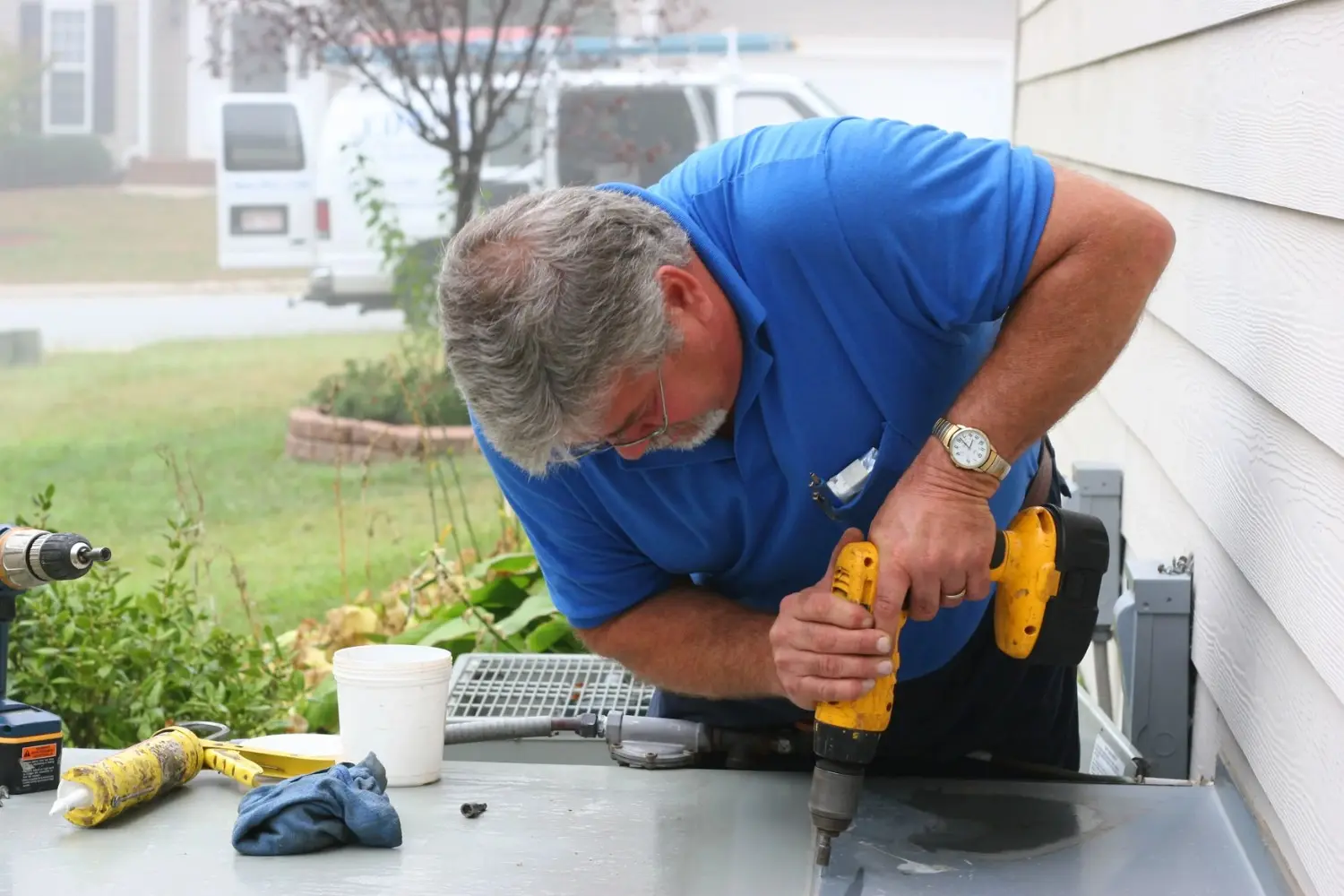
The scope of a professional installation covers every component required to regulate your home’s climate effectively. This includes the removal and disposal of the old unit, site preparation to ensure a level and stable foundation for the new equipment, and the precise connection of refrigerant lines, gas piping, and high-voltage electrical wiring.
Modern systems provided today offer significantly higher efficiency ratings compared to units manufactured just a decade ago. Homeowners receive equipment with advanced SEER2 (Seasonal Energy Efficiency Ratio) and HSPF2 (Heating Seasonal Performance Factor) ratings. These metrics indicate how effectively the unit converts energy into comfort. A higher rating means the system uses less electricity or fuel to achieve the same temperature, directly impacting monthly utility expenses.
Equipment Options and Sizing
Selecting the correct equipment is the first critical step in the process. A system that is too large will short-cycle, turning on and off frequently, which wears out components and fails to dehumidify the air. A system that is too small will run continuously, failing to reach the set temperature on extreme weather days:
- Split Systems: The most common configuration, featuring an outdoor air conditioner or heat pump and an indoor furnace or air handler.
- Heat Pumps: An excellent option for our region, providing both heating and cooling capabilities from a single unit. These are particularly efficient during the shoulder seasons.
- Package Units: All-in-one systems typically installed on roofs or concrete slabs, ideal for homes with limited indoor crawlspace or attic room.
- Ductless Mini-Splits: Perfect for additions or homes without existing ductwork, allowing for zoned temperature control in specific rooms.
How the Installation Process Works
A high-quality installation follows a rigorous, standardized protocol to ensure the longevity of the equipment. We do not skip steps or cut corners. The process is designed to minimize disruption to your daily routine while ensuring the technical specifications of the manufacturer are met or exceeded.
Site Assessment and Load Calculation
The process begins with a technical evaluation of the home. Technicians perform a load calculation, often referred to as a Manual J calculation. This assessment considers the square footage, insulation levels, window types, and orientation of the building to determine the exact heating and cooling output required. This data drives the equipment selection, ensuring the new unit is perfectly matched to the thermal characteristics of the structure.
System Removal and Site Prep
Once the equipment is selected, the physical work begins. Technicians isolate the electrical power and safely pump down or recover any remaining refrigerant from the old system in accordance with environmental regulations. The old unit is disconnected and removed from the property.
The installation site is then prepped. For outdoor units, this involves inspecting the concrete pad to ensure it is level and stable. If the pad has settled or cracked, it is replaced or releveled to prevent vibration and noise. For indoor units, the plenum and return drops are inspected to ensure they can handle the airflow of the new, more powerful blower motor.
Mechanical Connections and Brazing
With the new unit in place, the mechanical connections are established. This is the most technical phase of the installation:
- Refrigerant Lines: Copper line sets are connected using high-temperature brazing. During this process, nitrogen is flowed through the lines to prevent oxidation and carbon buildup inside the pipe, which could later damage the compressor.
- Electrical Wiring: High-voltage wiring is connected to the disconnect box and the unit, while low-voltage wiring is run to the thermostat and control board. All connections are tightened to torque specifications to prevent arcing or overheating.
- Condensate Drains: A new condensate drain line is installed to carry moisture away from the unit. Safety switches are added to shut the system down automatically if a blockage occurs, preventing water damage to your home.
Commissioning and Testing
The final step is commissioning. This is not simply turning the unit on; it is a calibration process. Technicians use digital gauges to measure superheat and subcooling, ensuring the refrigerant charge is precise. Static pressure is measured in the ductwork to verify airflow is unrestricted. The thermostat is programmed, and the system is run through a full cycle in both heating and cooling modes to verify performance.
When to Replace vs. Repair Your System
Deciding between repairing an aging unit and investing in a new installation is a common dilemma. While repairs can extend the life of a system, there is a tipping point where replacement becomes the more improved financial decision. Understanding the lifecycle of HVAC equipment helps in making an informed choice.
The 50% Rule
A widely accepted industry standard is the 50% rule. If the cost of a necessary repair approaches or exceeds 50% of the value of the system (or the cost of a new unit), replacement is generally the wiser investment. Putting expensive parts like a compressor or heat exchanger into an old chassis often leads to diminishing returns, as other components are likely to fail shortly after.
Age and Efficiency Declines
Most air conditioners and heat pumps have a service life of 12 to 15 years, while furnaces may last 15 to 20 years. As systems age, their efficiency drops naturally due to wear and tear. A unit that was rated 10 SEER fifteen years ago may now be operating at 6 or 7 SEER. Replacing this unit with a modern 16+ SEER system can result in immediate and significant reductions in energy bills, often offsetting the monthly cost of financing a new installation.
Persistent Comfort Issues
If a system struggles to maintain the thermostat setting, runs constantly without cooling the home, or leaves certain rooms significantly hotter or colder than others, it indicates that the unit is either losing capacity or was never sized correctly in the first place. Significant noise, such as grinding or squealing, or frequent on-and-off cycling are also indicators of a system nearing catastrophic failure. In these scenarios, replacement provides not just reliability, but a restoration of home comfort.
Local Considerations for Applegate Homeowners
Installing HVAC equipment in the Applegate area requires specific attention to regional factors. The local climate and regulatory environment dictate certain installation practices that ensure compliance and performance.
Handling Regional Climate Swings
The local weather patterns feature distinct seasonal peaks. We experience intense heat in July and August, requiring air conditioning systems with adequate capacity to dehumidify and cool rapidly. Conversely, winter months from November through February bring temperatures low enough to demand reliable heating.
Heat pumps are increasingly popular in this region because they handle these moderate winters efficiently. However, for homes that rely on heat pumps, it is often recommended to have an auxiliary heat source or "heat strips" installed to assist the system during the few days when temperatures drop below freezing.
Permits and Compliance
Any significant HVAC installation requires adherence to local building codes. This includes obtaining the necessary mechanical permits before work begins. These codes regulate everything from the electrical disconnect placement to the clearance distances around the outdoor unit:
- Permitting: Professional installers handle the application and filing of all necessary permits with the local municipality or county office.
- Inspections: Following installation, a third-party inspection is typically required to verify that the work meets safety standards, including gas line pressure tests and electrical grounding.
- Rebates and Incentives: Local utility providers and state organizations often offer rebates for upgrading to high-efficiency equipment. Navigating the paperwork for these incentives is part of the service provided, ensuring homeowners capture all available savings — check our reviews.
Why Professional Installation Matters
The longevity and efficiency of a heating and cooling system are determined more by the quality of the installation than the brand of the equipment. A top-of-the-line unit installed poorly will perform worse than a mid-range unit installed perfectly. Stone Heating and Air prioritizes technical precision to ensure every system operates at its factory-rated specifications.
Technical Expertise and Certification
Modern HVAC equipment involves complex electronics and variable-speed motors. Technicians must undergo continuous training to stay current with these technologies. Professional installation ensures that the refrigerant charge is balanced to the ounce and that airflow is calibrated to the cubic foot per minute (CFM). Improper refrigerant charging alone can reduce system efficiency by up to 20% and lead to premature compressor failure.
Warranty Protection
Manufacturers require proof of professional installation to honor their warranties. If a system is installed by an uncertified individual, the parts warranty—which typically covers major components for 10 years—may be voided. By choosing a licensed contractor, you ensure that your investment is protected. Furthermore, professional providers often include labor warranties that cover the cost of service calls if any adjustments are needed in the first year of operation.
Safety Assurance
HVAC systems utilize high-voltage electricity, natural gas or propane, and high-pressure refrigerants. Mishandling any of these elements poses significant safety risks, including fire hazards, carbon monoxide leaks, or electrical shock. Professional installers follow strict safety protocols, including pressure testing gas lines and ensuring proper venting of exhaust gases, to protect the household.
Upgrade Your Comfort — Choose Stone Heating and Air Today
Take the stress out of heating and cooling upgrades with a trusted partner committed to reliability, precision, and customer satisfaction. At Stone Heating and Air, we make it easy to transform your home’s comfort with expert installations, high-efficiency systems, and dependable service backed by certified technicians. Whether you're ready to replace an aging unit or exploring the benefits of modern HVAC technology, we provide honest recommendations, transparent pricing, and flexible financing to fit your needs. Don’t wait for a system failure—contact Stone Heating and Air today to schedule your assessment and experience comfort done right.
- Book Expert Service Or Contact Us