

Why Extending the Life of Your HVAC System Saves You Money and Stress
Knowing how to extend the life of your HVAC system can mean the difference between a reliable, efficient system that lasts 20 years and a costly early replacement. Here in Central Point, where the Rogue Valley brings hot summers and cold winters, your HVAC works hard year-round — and that wear adds up fast.
Quick answer — how to extend the life of your HVAC system:
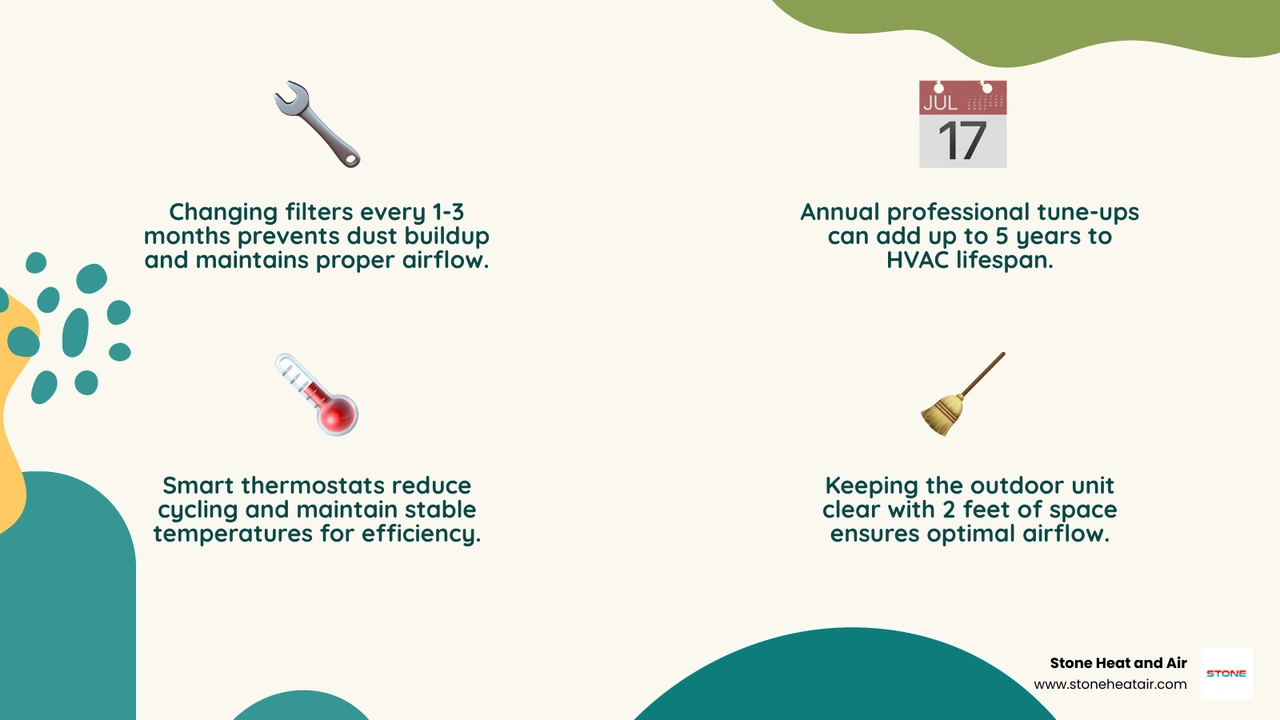
1. Change air filters every 1–3 months to prevent dust buildup and restricted airflow
2. Schedule professional tune-ups at least once a year (ideally twice — spring and fall)
3. Use a programmable or smart thermostat to avoid unnecessary strain from temperature swings
4. Keep the outdoor unit clear with at least 2 feet of space around it
5. Seal ducts and improve insulation to reduce how hard your system has to work
6. Watch for warning signs like strange noises, rising energy bills, or uneven temperatures
Most HVAC systems are built to last between 15 and 20 years — but only with consistent care. Skipping maintenance, ignoring small problems, or running a system in a leaky, under-insulated home can shave years off that lifespan. Nearly half of all home energy use goes to heating and cooling, so the stakes are high both for your comfort and your wallet.
The good news? Most of what keeps an HVAC system running longer comes down to simple, repeatable habits — and knowing when to call in a professional.
Understanding HVAC Lifespan in Southern Oregon
In Southern Oregon, HVAC lifespan is shaped by three big things: equipment type, installation quality, and how well the system is maintained over time. Usage matters too. In Central Point and across the Rogue Valley, we often ask our systems to handle smoky summer days, hot afternoons, chilly winter mornings, and plenty of temperature swings in between.
On average, HVAC systems last one to two decades, but the range depends on the equipment:
• Central air conditioner — Average lifespan: 12 to 17 years
• Heat pump — Average lifespan: 10 to 16 years
• Furnace — Average lifespan: 15 to 20 years
• Boiler — Average lifespan: 15 to 20 years
A few factors can push lifespan up or down:
• Proper installation
• Regular maintenance
• Clean airflow through filters, ducts, and vents
• Stable thermostat settings
• Good insulation and sealed ductwork
• Fast repairs when small issues show up
• Local climate and seasonal workload
Installation is a bigger deal than many homeowners realize. Research shows improper installation can reduce efficiency by up to 30 percent. That means the system may run longer than necessary, wear out parts faster, and struggle to keep the house comfortable.
That is one reason routine maintenance matters so much. If you want a deeper look at why tune-ups help prevent long-term wear, our post on the importance of regular HVAC maintenance is a helpful next read.
The short version: age matters, but care matters more. A well-maintained system in Central Point can often outlast a neglected one by years.
How to Extend the Life of Your HVAC System Through Professional Maintenance
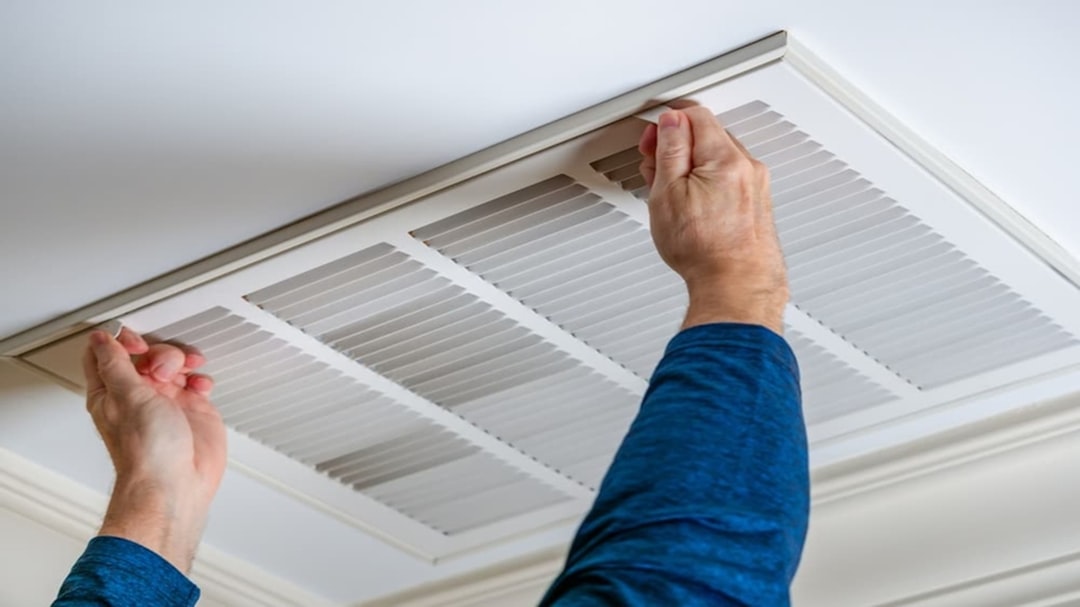
If we had to pick the most important professional step for extending system life, it would be preventive maintenance. Homeowners can do a lot on their own, but tune-ups catch the issues that are easy to miss until they turn into breakdowns.
For most homes in Central Point and surrounding Southern Oregon communities, we recommend professional service at least once a year. Ideally, schedule two visits:
• Spring for cooling system preparation
• Fall for heating system preparation
Twice-yearly service is especially helpful for heat pumps because they work in both summer and winter.
A professional HVAC tune-up typically includes:
• Checking refrigerant levels
• Inspecting electrical connections
• Cleaning coils and key components
• Testing thermostat calibration
• Inspecting motors, belts, and moving parts
• Checking airflow and system cycling
• Looking for drain line issues or moisture problems
• Spotting worn parts before they fail
This matters because many serious failures start as small, quiet problems. A weak capacitor, dirty coil, slow refrigerant leak, or loose electrical connection may not seem dramatic at first, but each one adds strain. Over time, that strain can damage larger components, including the compressor or blower motor.
Professional maintenance also supports efficiency. Since heating and cooling account for nearly half of home energy use, keeping the system tuned helps avoid waste while reducing wear. It is one of the simplest ways to protect both comfort and equipment life.
If you are weighing whether routine service is really worth it, take a look at Is an HVAC Maintenance Plan Worth It. For many households, a scheduled plan makes it easier to stay consistent instead of remembering service only when something starts rattling.
Homeowner Best Practices for System Longevity
Professional tune-ups are essential, but everyday habits also have a big impact. In fact, many of the best answers to how to extend the life of your HVAC system come down to reducing unnecessary strain.
Good homeowner habits include:
• Replacing or cleaning filters on schedule
• Keeping supply vents and return vents unobstructed
• Using moderate thermostat settings
• Avoiding dramatic temperature swings
• Keeping doors, windows, and attic areas well sealed
• Watching for unusual sounds, odors, or short cycling
• Keeping the outdoor unit clean and open to airflow
Think of it like this: your HVAC system does not mind working hard when it has to. It just prefers not to run a marathon while breathing through a straw.
For more practical ways to reduce daily equipment stress, see our guide on how to minimize HVAC wear and tear.
Why Clean Filters are Essential to How to Extend the Life of Your HVAC System
Air filters are small, inexpensive, and oddly powerful. When they get clogged, airflow drops. That reduced airflow forces your HVAC system to run longer and work harder to move conditioned air through the home.
That extra strain can lead to:
• Reduced efficiency
• Higher energy use
• Dust buildup on internal components
• Frozen evaporator coils in cooling season
• Overheating risk in heating season
• More wear on the blower and other moving parts
For most homes, filters should be checked monthly and replaced every 1 to 3 months. During heavier heating or cooling use, monthly checks are especially important. Homes with pets, allergies, smoke exposure, or above-average dust may need more frequent changes.
Filter selection matters too. MERV ratings measure how effectively a filter captures particles. Higher is not always better for every system. A filter that is too restrictive for the equipment can reduce airflow, which defeats the whole purpose. We generally recommend using the filter type your system is designed to handle and asking a professional if you are unsure.
Clean filters also help indoor air quality by trapping dust, dander, and other particles before they circulate through the house.
For more local maintenance guidance, read HVAC maintenance tips for Southern Oregon homeowners.
How Smart Thermostats Help to Extend the Life of Your HVAC System
A smart or programmable thermostat can help your system last longer by reducing unnecessary runtime and preventing harsh temperature swings.
Here is how that works:
• It keeps temperatures more consistent
• It reduces the urge to crank the setting way up or way down
• It can automatically adjust when you are asleep or away
• It helps prevent the system from running at full blast more often than needed
• Many models allow remote monitoring from your phone
Research shows homes with high heating and cooling bills can save around $100 per year with an ENERGY STAR certified smart thermostat. More importantly for lifespan, these thermostats help your system operate more steadily instead of constantly chasing dramatic setpoint changes.
A few thermostat habits that help:
• Use scheduled setbacks instead of large manual swings
• Choose the "auto" fan setting instead of leaving the fan on continuously unless there is a specific reason
• Keep settings reasonable and consistent
• Avoid changing the temperature repeatedly throughout the day
In a climate like the Rogue Valley, where mornings and afternoons can feel like they belong to different seasons, smart scheduling can take a lot of pressure off your equipment.
Improving Home Efficiency to Reduce System Strain
One of the most overlooked parts of HVAC longevity is the house itself. Even a well-maintained system will wear out faster if it is trying to heat and cool a drafty home with leaky ducts.
Sealing and insulating ducts can improve heating and cooling efficiency by as much as 20 percent. That is a big deal. If conditioned air leaks out in an attic, crawlspace, or unheated area, your equipment has to run longer to make up the difference.
Key efficiency upgrades that support HVAC lifespan include:
• Sealing duct leaks
• Insulating ducts in unconditioned spaces
• Adding or improving attic insulation
• Sealing air leaks around doors and windows
• Addressing gaps around penetrations and framing
• Keeping insulation levels appropriate for the home
Better insulation reduces how often your system has to cycle on and how long it has to run once it does. Less runtime generally means less wear.
There are also indirect home maintenance tasks that support HVAC performance:
• Roof inspections to catch leaks before moisture affects insulation or ceilings
• Gutter cleaning to prevent water intrusion near the home envelope
• Caulking exterior cracks to reduce drafts
• Monitoring attic conditions for heat buildup or moisture issues
These tasks may not look HVAC-related at first glance, but they absolutely affect how hard your system works.
If your system is older and you are trying to decide whether efficiency improvements or replacement make more sense, our article on when to repair vs replace your HVAC system can help you think through the next step.
Maintaining the Outdoor Unit and Airflow
Your outdoor unit needs room to breathe. When it is surrounded by leaves, weeds, grass clippings, or overgrown shrubs, airflow drops and operating stress rises.
Best practices for the outdoor unit include:
• Keep at least 2 feet of clearance around the unit
• Remove leaves, weeds, and debris regularly
• Trim shrubs and plants back
• Gently inspect for dirt buildup on the exterior
• Keep grass clippings from collecting on the condenser
• After storms, check for branches or windblown debris
Good airflow is not just an outdoor issue. Indoors, blocked vents and return registers can also make the system work harder.
We recommend:
• Keeping supply vents open and unblocked by furniture or rugs
• Making sure return vents are clear
• Cleaning vent covers when dust accumulates
• Avoiding the habit of closing multiple vents in unused rooms unless your system is specifically designed for that setup
Restricted airflow can cause uneven temperatures, pressure imbalance, short cycling, and extra wear on components. It is one of the simplest problems to prevent and one of the most common causes of avoidable strain.
A quick visual check every few weeks goes a long way. No tools, no heroics, just a glance and a little housekeeping.
Frequently Asked Questions about HVAC Longevity
What is the average lifespan of an HVAC system in Central Point?
For most homes in Central Point, an HVAC system lasts about 15 to 20 years with proper care. More specifically, central air conditioners often last 12 to 17 years, heat pumps 10 to 16 years, and furnaces or boilers 15 to 20 years. Lifespan depends on maintenance, usage patterns, installation quality, airflow, and how efficient the home is overall.
How often should I schedule professional HVAC tune-ups?
At minimum, schedule professional maintenance once a year. For best results, we recommend twice a year: once in spring before cooling season and once in fall before heating season. Heat pumps especially benefit from two tune-ups because they run year-round.
What are the signs that my HVAC system needs immediate attention?
Call for service promptly if you notice:
• Strange noises like grinding, banging, or screeching
• Burning, musty, or other unusual odors
• Weak airflow
• Frequent cycling on and off
• Uneven temperatures from room to room
• Sudden energy bill increases
• Water leaks or moisture around the unit
• Trouble keeping the home comfortable
• A thermostat that does not seem to match actual indoor conditions
Timely repairs matter because small issues often turn into major failures when ignored. A struggling system rarely fixes itself out of sheer determination.
Conclusion
Extending HVAC life is really about consistency. Change filters. Keep airflow open. Use thermostat settings wisely. Improve insulation and duct performance. Schedule tune-ups before the busy season, not after the system starts complaining.
For homeowners in Central Point and across the Rogue Valley, these steps can add years to your system’s life while supporting better comfort and efficiency. And when you need professional help, we are here with honest recommendations, careful workmanship, and support you can count on.
At Stone Heat and Air, we offer ongoing maintenance support through our Stone Comfort Membership Club, plus 24/7 emergency service when something cannot wait. If you want long-term comfort and reliable performance from your heating and cooling system, schedule your professional HVAC maintenance today.