

Why the Benefits of Regular HVAC Maintenance in the Northwest Matter Year-Round
The benefits of regular HVAC maintenance in the Northwest are real, measurable, and felt every month — on your energy bill, in the air you breathe, and in how long your system keeps running before it needs replacing. Here is a quick summary:
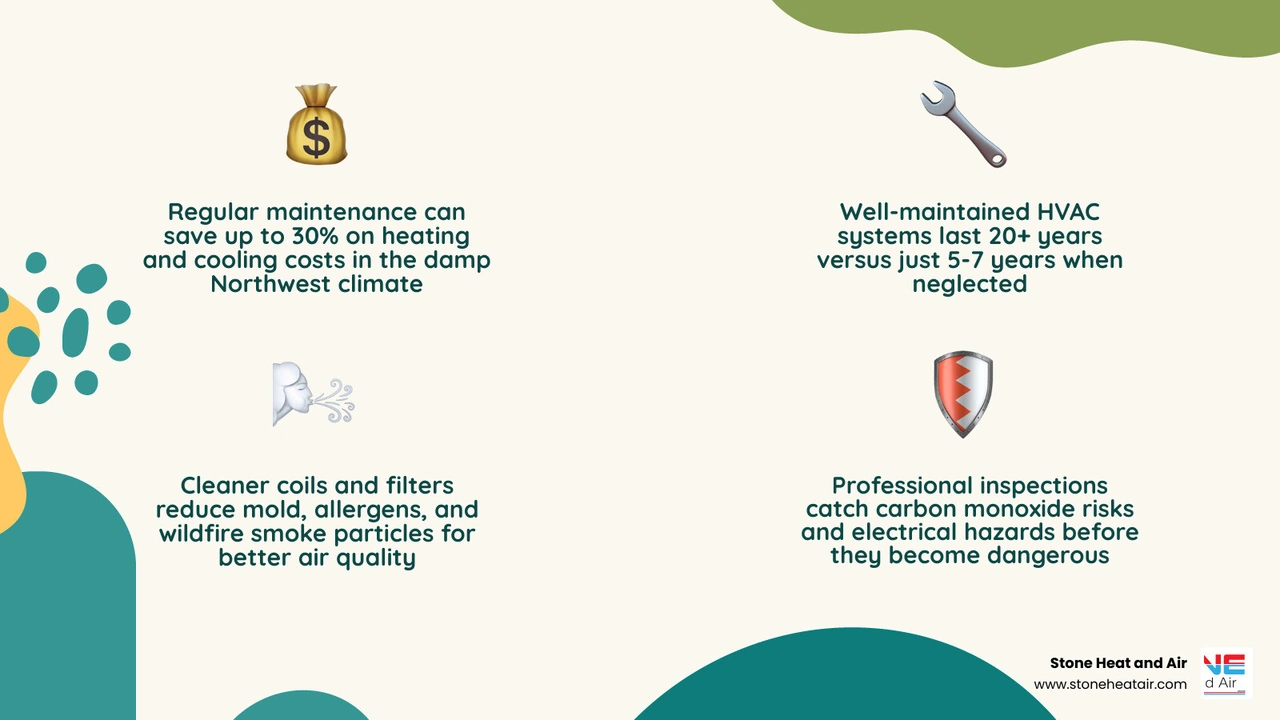
• Lower energy bills - Regular maintenance can save up to 30% on heating and cooling costs
• Longer system life - Well-maintained systems can last 20+ years vs. 5–7 years when neglected
• Better indoor air quality - Cleaner filters and coils reduce mold, allergens, and wildfire smoke particles
• Fewer emergency breakdowns - Catching small issues early prevents costly failures at the worst times
• Protected warranty - Most manufacturers require documented annual service to honor warranty claims
• Improved safety - Professional inspections catch carbon monoxide risks and electrical hazards early
The Pacific Northwest throws a lot at your HVAC system. Long, wet winters bring persistent humidity that accelerates rust and corrosion on metal components. Mild summers can suddenly give way to intense heat waves — and if your system has been sitting idle through months of damp weather, it may not be ready. Add seasonal wildfire smoke and organic debris like pine needles and moss, and you have a climate that is genuinely harder on heating and cooling equipment than most regions in the country. For homeowners in the Rogue Valley, that means regular professional maintenance is not just a nice-to-have — it is the difference between a system that lasts and one that fails early.
Benefits of regular hvac maintenance in the northwest terms at a glance:
• how often should you service your hvac system
• what does an hvac maintenance visit include
How the Pacific Northwest Climate Stresses Heating and Cooling Systems
While the national media loves to paint the Pacific Northwest with a single brush of "gentle, misty rain," local homeowners in Southern Oregon know our regional weather is incredibly diverse and demanding. From the coastal marine air of Brookings OR to the high-desert winters of Klamath Falls OR, and the hot, dry summers of the Rogue Valley and Central Point OR, our local climates push heating and cooling systems to their absolute limits.
Understanding How Pacific Northwest Weather Affects HVAC Lifespan is key to protecting your investment. The combination of high humidity, coastal salt, heavy pollen, and seasonal wildfire smoke creates a harsh operating environment. When you look closely at How Southern Oregon Climate Affects Your HVAC System, it becomes clear that generic, one-size-fits-all maintenance advice simply does not cut it here.
Damp Winters and the Wet Blanket Effect
In areas like Roseburg OR and throughout the Rogue Valley, winters are long, cool, and persistently damp. This high outdoor humidity (often exceeding 75% for months on end) introduces a silent enemy to your outdoor heat pump or air conditioner: rust and corrosion.
When moisture combines with organic debris like evergreen needles, falling leaves, and windblown dust, it creates what we call the "wet blanket effect." This organic matter traps moisture directly against the outdoor unit’s metal casing and delicate aluminum fins. Over time, this constant dampness accelerates coil corrosion, degrades electrical connections, and fosters moss and algae growth. Without regular cleaning and rust prevention steps, the heat transfer capability of your coils declines rapidly, forcing the compressor to work significantly harder.
Summer Heat Waves and Wildfire Smoke
Summer in Southern Oregon presents the exact opposite challenge. In Central Point OR and the surrounding Rogue Valley, July and August bring intense dry heat and, increasingly, seasonal wildfire smoke.
Wildfire smoke is packed with fine particulate matter, ash, and sticky resins. When a smoke event hits, your HVAC system becomes your home’s primary defense system. It works overtime to filter out these hazardous particles so your family can breathe safely. However, this heavy filtration load means standard air filters can clog in a matter of weeks rather than months.
When a filter is choked with ash and dust, it restricts airflow, causing severe system strain. If a sudden heat wave strikes while your system is struggling with restricted airflow, the blower motor can easily overheat, leading to an unexpected mid-summer breakdown.
The Financial and Efficiency Benefits of Regular HVAC Maintenance in the Northwest
Many homeowners view seasonal tune-ups as an optional chore, but we like to think of them as a high-yield investment. The financial return of regular preventative care shows up directly on your monthly utility bills and protects you from sudden, budget-busting emergency calls.
By prioritizing The Importance of Regular HVAC Maintenance, you keep your system operating at peak design efficiency. When you are Budgeting for HVAC Maintenance, it helps to look at the numbers. A well-maintained system can run up to 15% more efficiently than a neglected one, which translates directly into lower monthly energy bills.
• Energy Efficiency — Maintained HVAC System: Operates at peak SEER/HSPF ratings — Neglected HVAC System: Declines 5% to 15% annually
• Monthly Utility Bills — Maintained HVAC System: Optimized and predictable — Neglected HVAC System: Up to 30% higher
• Expected Lifespan — Maintained HVAC System: 15 to 20+ years — Neglected HVAC System: 5 to 10 years (early failure)
• Blower Motor Strain — Maintained HVAC System: Low (clean filters and balanced fans) — Neglected HVAC System: High (up to 25% more energy consumed)
• Warranty Status — Maintained HVAC System: Fully compliant and protected — Neglected HVAC System: Voided due to lack of professional records
• Unplanned Repairs — Maintained HVAC System: Extremely rare (caught during tune-ups) — Neglected HVAC System: Frequent and costly during peak seasons
Maximizing Energy Savings in Wet Climates
In damp climates, your HVAC system has to work twice as hard due to a scientific concept known as latent heat. Humid air holds more thermal energy than dry air. To cool your home effectively, your air conditioner or heat pump must not only lower the temperature but also condense and extract gallons of water from the indoor air.
If your indoor evaporator coil is dirty or your blower motor is straining under a layer of dust, this heat transfer process is severely compromised. Neglecting your system can increase energy consumption by up to 25% due to blower motor strain alone. Professional airflow optimization, coil cleaning, and electrical calibration ensure your system removes moisture efficiently without sending your power bills through the roof.
How the Benefits of Regular HVAC Maintenance in the Northwest Extend Equipment Lifespan
An HVAC system is one of the most significant financial investments you will make in your home. Naturally, you want it to last as long as possible.
If you want to know How to Extend the Life of Your HVAC System, the answer is simple: consistent, professional care. While a neglected heat pump or furnace in a damp climate can fail in as little as 5 to 7 years due to corrosion, electrical failures, or compressor burnout, a well-maintained system can easily cross the 20-year mark.
Furthermore, regular professional maintenance is almost always a strict requirement of your manufacturer's warranty. If a major component like a compressor or heat exchanger fails within the warranty period, manufacturers like Carrier require documented proof of annual professional maintenance to honor the parts replacement. Skipping your seasonal service can instantly void this valuable protection.
Key Risks of Neglecting Your Rogue Valley HVAC System
Leaving your comfort system to fend for itself in Southern Oregon’s fluctuating climate is a recipe for trouble. Over time, minor issues like a slightly dirty coil or a worn capacitor snowball into major, expensive disasters.
Knowing How to Prevent HVAC Emergencies with Maintenance is the best way to keep your home safe and comfortable. By avoiding common HVAC Maintenance Mistakes You Should Avoid in 2024, you protect your household from the twin threats of poor indoor air quality and sudden system failures.
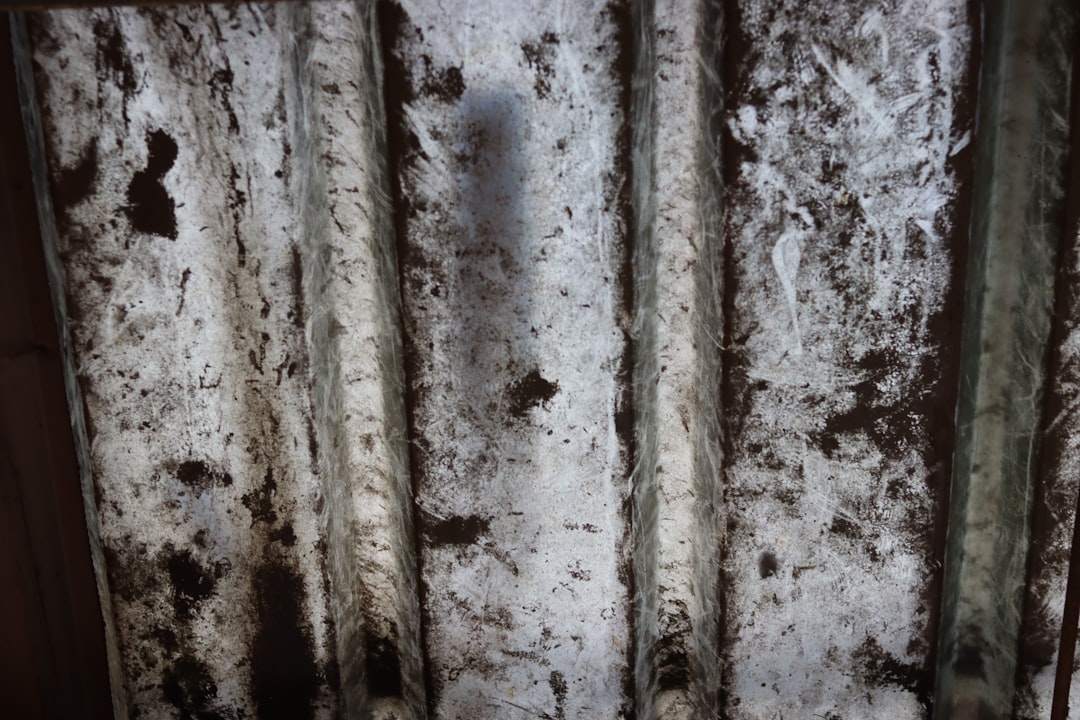
Mold, Mildew, and Indoor Air Quality Threats
Damp Northwest winters combined with indoor heating create a prime breeding ground for biological growth. Your HVAC system contains dark, moist environments—specifically around the indoor evaporator coil and the condensate drain pan.
When dust and organic matter settle on a damp coil, mold and mildew can quickly take root. As your system circulates air throughout your home, it can spread these spores and allergens into every room, triggering respiratory issues, asthma, and allergies. Professional maintenance includes thoroughly cleaning and sanitizing the condensate pan, clearing the drain lines to prevent overflow water damage, and treating the coils to keep your indoor air clean and healthy.
Component Fatigue and Sudden Breakdowns
When an HVAC system is neglected, it experiences a "domino effect" of component wear. For example, a slightly weak capacitor forces the outdoor fan motor to run hotter, which eventually damages the motor windings and places extreme electrical strain on the compressor.
Before you know it, you are dealing with a complete compressor burnout—one of the most expensive repairs in the industry. Often, your system will try to warn you that something is wrong before it shuts down completely. Learning What Different Furnace Noises Are Trying to Tell You can help you catch issues early. If you ignore these signs, you might find yourself shivering on a freezing January night, wondering Why Your Heater is Blowing Cold Air.
Recommended Maintenance Schedules for Northwest Homeowners
To keep your system running beautifully year after year, we recommend a biannual maintenance schedule: once in the spring to prepare for the cooling and wildfire seasons, and once in the early fall to ensure your heating system is ready for the winter chill.
If you are getting ready for the colder months, following an HVAC Maintenance: A Quick To-Do List for Early Fall is a fantastic way to ensure uninterrupted warmth.
Why Heat Pumps Require Twice-Yearly Attention
Heat pumps are the undisputed workhorses of Southern Oregon. Because they handle both heating and cooling, they do not get a "season off" like a standalone furnace or air conditioner.
In the winter, heat pumps rely on a complex defrost cycle to melt ice accumulation on the outdoor coils. If the defrost sensors, reversing valve, or auxiliary heating elements are misaligned, the system can freeze up entirely or get stuck running highly inefficient backup heat. Because of this year-round workload and the technical complexity of mode switching, heat pumps require professional attention twice a year to keep running safely and efficiently.
Simple Homeowner Upkeep Tasks Between Professional Visits
While complex electrical testing, refrigerant calibration, and deep coil cleaning should always be left to certified professionals, there are several simple tasks you can perform between our visits to keep your system happy:
• Check air filters monthly: Replace them every 30 to 90 days, or even weekly during heavy wildfire smoke events. Always turn off your system before sliding in a new filter, and make sure the airflow arrow points toward the unit.
• Maintain outdoor clearance: Keep shrubs, plants, and weeds trimmed back at least two feet from your outdoor unit. Regularly clear away fallen leaves, pine needles, and moss.
• Keep vents clear: Ensure indoor supply and return registers are not blocked by furniture, rugs, or drapes to maintain proper system airflow.
• Listen and observe: Take note of any unusual whistling, banging, or musty odors, and give us a call if something seems off.
What to Look For in a Northwest HVAC Service Plan
Not all maintenance plans are created equal. When you are choosing a service agreement to protect your Southern Oregon home, you want a plan that offers real, comprehensive value, priority scheduling, and highly trained technicians who understand our unique regional climate challenges.
Essential Elements of a Professional Tune-Up
A truly thorough, professional tune-up goes far beyond a simple visual inspection. When our experienced technicians visit your home, they perform a rigorous multi-point inspection and cleaning process, including:
• Thermostat calibration: Ensuring your system reads indoor temperatures accurately.
• Electrical diagnostics: Measuring voltage and amp draws, and tightening all electrical connections to prevent hazards.
• Blower motor testing: Cleaning fan blades and lubricating moving parts to reduce friction and wear.
• Coil sanitization: Deep-cleaning indoor and outdoor coils to maximize heat transfer.
• Condensate drain clearance: Flushing drain lines and checking safety float switches to prevent indoor water damage.
• Safety control testing: Verifying limit switches, gas valves, and carbon monoxide levels to protect your household.
Long-Term Value of a Dedicated Maintenance Agreement
A dedicated maintenance agreement is designed to take the stress out of home comfort. Rather than trying to remember when to schedule your seasonal service, a structured plan provides automated reminders, priority scheduling during busy peak seasons, and valuable discounts on parts and labor should your system ever need a repair. It is the ultimate way to secure year-round peace of mind for your family.
Frequently Asked Questions about Northwest HVAC Care
How often should I schedule professional HVAC maintenance in the PNW?
For standard systems (like a gas furnace paired with a central air conditioner), we recommend professional service twice a year—heating maintenance in the fall and cooling maintenance in the spring. For heat pumps, because they operate continuously across all seasons, biannual professional servicing is essential to keep them running efficiently and prevent premature wear.
What are the primary benefits of regular hvac maintenance in the northwest for indoor air quality?
Regular maintenance keeps your system’s filtration and air delivery components spotless. By replacing clogged filters, cleaning the evaporator coils, and clearing the condensate pan, we prevent the accumulation of dust, mold spores, pollen, and pet dander. This ensures your system can effectively capture airborne contaminants, including fine wildfire smoke particles, keeping your indoor air clean and healthy.
Does skipping seasonal service void my manufacturer warranty?
Yes, in many cases it does. Major HVAC manufacturers require documented annual professional maintenance to keep your parts and labor warranties valid. If a critical component fails and you cannot provide professional service records, the manufacturer may deny your warranty claim, leaving you responsible for the full cost of the repair.
Conclusion
At Stone Heating & Air, we believe your home should be a sanctuary of comfort, no matter what the Southern Oregon weather is doing outside. From the hot summer afternoons in Central Point OR and the Rogue Valley to the damp winter mornings in Roseburg OR, Klamath Falls OR, and Brookings OR, we are dedicated to keeping your heating and cooling systems running flawlessly.
We pride ourselves on our honest recommendations, meticulous attention to detail, and our promise to always treat your home like ours. To make maintaining your home comfort completely effortless, we invite you to join our exclusive Stone Comfort Membership Club. As a member, you will enjoy automated scheduling reminders, priority 24/7 emergency service, exclusive discounts, and the absolute peace of mind that comes with a professionally maintained home. Contact us today to schedule your next seasonal tune-up!