

Is Your HVAC System Getting the Attention It Needs?
How often should you service your HVAC system is one of the most common questions homeowners ask — and the answer is simpler than you might think.
Here's the quick answer:
• Central air conditioner — Recommended Service Frequency: Once per year (spring)
• Gas furnace — Recommended Service Frequency: Once per year (fall)
• Heat pump — Recommended Service Frequency: Twice per year (spring and fall)
• Any system over 10 years old — Recommended Service Frequency: Consider 2-3 times per year
For most Rogue Valley homeowners, twice a year — once in spring before cooling season and once in fall before heating season — is the gold standard. If you have a heat pump or an older system, that schedule is especially important to stick to.
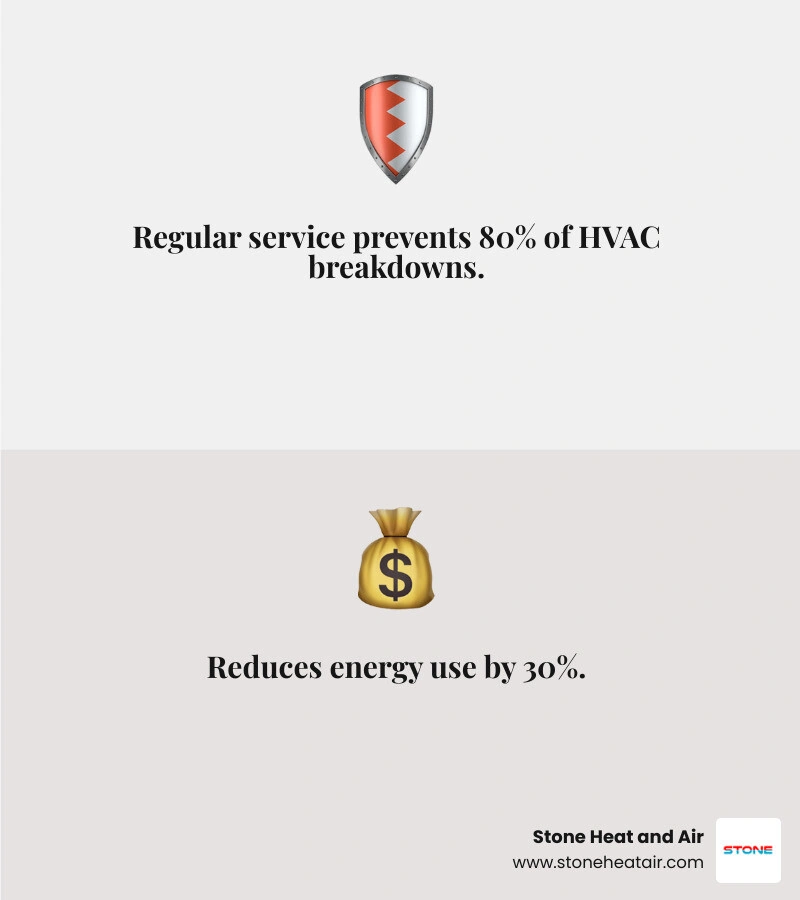
Most HVAC experts agree: up to 85% of system repairs can be traced back to skipped or neglected maintenance. A system that runs without regular tune-ups can use up to 25% more energy than one that gets consistent care. And when a neglected system finally breaks down, it almost always does it on the hottest day in July or the coldest night in January.
For Rogue Valley homeowners dealing with warm summers and cold mountain winters, staying ahead of your system's needs isn't just good practice — it's how you avoid a sweaty, stressful emergency and protect one of the biggest mechanical investments in your home.
The sections below break down exactly how often to schedule service, what factors change that answer for your specific situation, and what a real tune-up should include.
How Often Should You Service Your HVAC System?
The frequency of your HVAC maintenance depends heavily on the type of equipment keeping your home comfortable. While the general rule is "once or twice a year," we need to look at the specific mechanical demands of your system.
For homes with separate heating and cooling units — such as a central air conditioner and a gas furnace — each unit requires its own annual inspection. This means you’ll see us twice a year: once to prep the AC for the Rogue Valley summer and once to ensure the furnace is safe for the winter.
Heat pumps are a different story. Because a heat pump works year-round to both heat and cool your home, it undergoes twice the wear and tear of a single-season unit. For these systems, a biannual schedule isn't just a suggestion; it is a necessity to maintain the manufacturer’s warranty and ensure the reversing valve and coils are functioning correctly.
The Importance of Regular HVAC Maintenance cannot be overstated. Beyond just avoiding breakdowns, regular service keeps your energy consumption low. Statistics show that well-maintained units operate up to 20% more efficiently than those left to gather dust.
Why Biannual Service is the Gold Standard for Rogue Valley Homes
Living in Southern Oregon means experiencing the full spectrum of the seasons. In April 2026, as we look at the climate patterns in Central Point and the surrounding Rogue Valley, we see sharp transitions between the rainy spring and the dry, blazing heat of summer.
When you ask, "how often should you service your hvac system," you have to consider these transitions. A biannual schedule allows us to catch small issues before they are exacerbated by extreme temperatures. For example, a slightly low refrigerant charge in the spring might not seem like much, but by July, it can cause your compressor to overheat and fail.
By committing to Home HVAC Maintenance every six months, you are essentially giving your system a "reset." We clear out the pollen and dust from the spring and the debris from the fall, ensuring that the airflow remains unobstructed. This is particularly vital in our region, where air quality can fluctuate, putting extra strain on your system’s filtration and motor components.
How Often Should You Service Your HVAC System for Winter Readiness?
As the leaves begin to turn in the Rogue Valley, the focus shifts from cooling to heating. A furnace that has sat dormant for six months shouldn't just be "turned on" and forgotten. Dust accumulates on the heat exchanger and burners, which can lead to inefficient combustion or, in worst-case scenarios, safety hazards like carbon monoxide leaks.
Professional heating maintenance includes a thorough inspection of the heat exchanger for cracks and a cleaning of the burner assembly. This is why Why Regular Heating Maintenance in Shady Cove is Your Best Winter Defense. We ensure that the ignition system is reliable so you aren't left in the cold during a Rogue Valley frost.
For many of our neighbors, a winter breakdown isn't just an inconvenience; it can lead to secondary issues like frozen pipes. A quick fall tune-up prevents 70% to 80% of these mid-winter failures, giving you peace of mind when the temperature drops.
Optimal Timing: Why Spring and Fall Matter in April 2026
Timing is everything. You wouldn't wait until you're in the middle of a road trip to check your car's oil, and you shouldn't wait for a heatwave to check your AC.
The best windows for HVAC Service Appointments: When Should You Schedule Them are:
• Spring (March to May): To prepare for the cooling season.
• Fall (September to November): To prepare for the heating season.
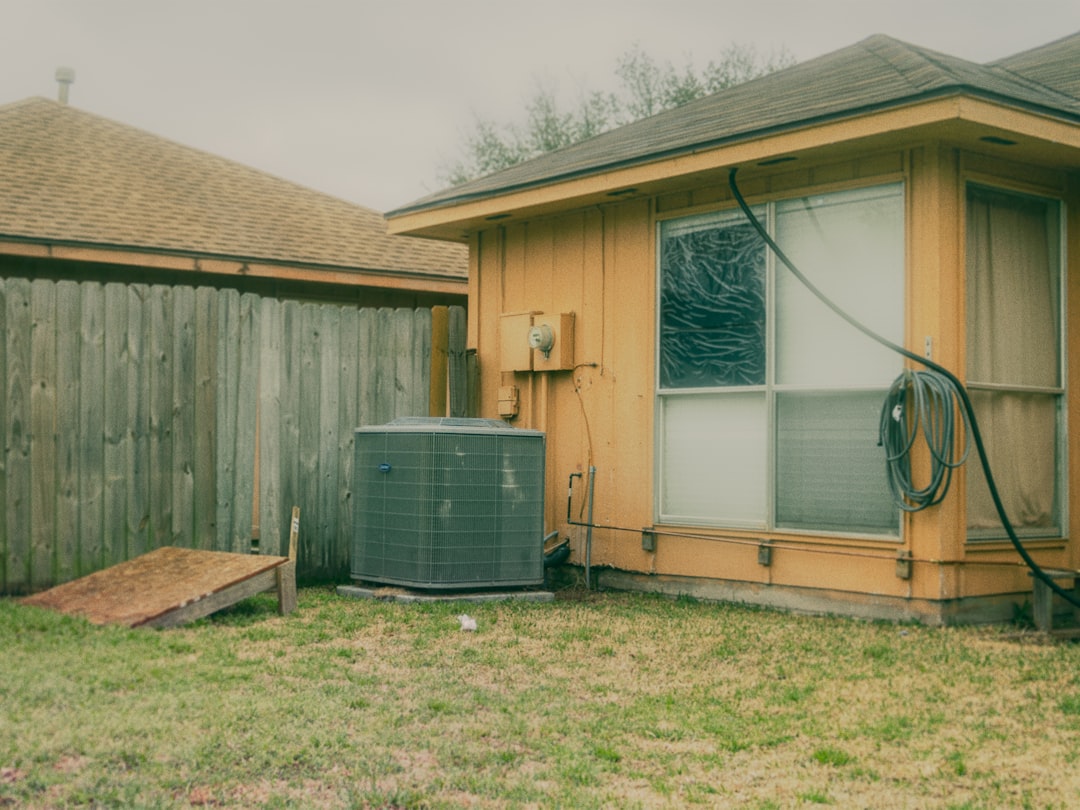
Scheduling during these "shoulder seasons" ensures that your system is ready before the peak demand hits. It also means you’ll have better availability for appointments. Once the first 90-degree day hits Central Point, our phones start ringing off the hook with emergency repairs. By scheduling in the spring, you skip the line and ensure your home stays a sanctuary of cool air.
Avoiding the Summer Rush in Central Point
In the Rogue Valley, summer isn't just hot; it's often sustained. Your air conditioner might run for 10 to 12 hours a day during a July heatwave. This level of usage requires peak efficiency.
When considering how often should you service your hvac system, think of the "Summer Rush." If your system is struggling with dirty coils or a failing capacitor, it will likely give out exactly when you need it most. Cleaning coils can improve cooling efficiency by up to 40%, which significantly lowers the strain on the system.
Furthermore, checking refrigerant levels is a key part of the spring visit. Refrigerant doesn't "get used up" like gas in a car; if it's low, there's a leak. Finding and fixing that leak in April is much more cost-effective than replacing a seized compressor in August. For those who want to stay organized, keeping a HVAC Maintenance: A Quick To-Do List for Early Fall can help you transition your home's settings smoothly as the weather shifts.
Factors That Influence Your Specific Maintenance Schedule
While the "twice a year" rule is a great baseline, your specific home environment might require a more frequent touch. We often tell our clients that their HVAC system is like a giant lung for their home. If the air it's breathing is dirty, it has to work harder.
Key factors that might increase your service frequency include:
• Pets: Fur and dander can clog filters and coat internal components much faster than in pet-free homes.
• Renovations: If you've recently done a home remodel in Southern Oregon, construction dust has likely found its way into your ductwork and onto your blower motor.
• Air Quality: Living in areas prone to dust or seasonal smoke means your system is filtering more particulate matter.
• Usage Intensity: If you work from home or have family members home all day, your system is cycling more frequently than a home that is empty from 9-to-5.
Staying on top of Your HVAC Maintenance To-Do List for September is a great way to account for these variables. If you have three dogs and a cat, you might need a professional to check your coils every six months regardless of the system type.
How System Age Affects Service Frequency
The age of your equipment is perhaps the biggest factor in determining how often should you service your hvac system.
1. New Systems (0-5 Years): These usually require standard annual or biannual service to maintain the manufacturer's warranty. Even though they are reliable, skipping service can void that protection.
2. Mid-Life Systems (6-14 Years): Components begin to show wear. This is the period where we start looking closer at electrical connections, motor bearings, and capacitors.
3. Older Systems (15+ Years): At this stage, your system is in its "golden years." It can still run efficiently, but it requires more frequent monitoring. We often recommend tri-annual inspections for systems this age to catch failing parts before they cause a total system breakdown.
Avoiding What Are the HVAC Maintenance Mistakes to Avoid This Fall is critical for older units. A simple oversight, like a clogged condensate drain, can lead to water damage that might force a full system replacement earlier than necessary.
What a Professional Precision Tune-Up Actually Includes
When we visit your home for a tune-up, we aren't just giving the unit a "once-over." A professional precision tune-up is a detailed, multi-point process designed to restore the unit to its factory-fresh performance levels.
A comprehensive service visit from our team includes:
• Electrical Inspection: We tighten all connections and measure voltage and current on motors. Loose connections are a leading cause of parts failure and even electrical fires.
• Coil Cleaning: Dirty evaporator and condenser coils reduce the system's ability to transfer heat. This makes the unit run longer and hotter, increasing energy bills.
• Lubrication: We lubricate all moving parts to reduce friction. Less friction means less wear and tear on the motor.
• Condensate Drain Clearing: We ensure the drain line is clear of algae and debris. A backed-up drain can cause the system to shut down or lead to mold growth.
• Thermostat Calibration: We verify that your thermostat is accurately reading the temperature so you aren't paying for cooling or heating you don't need.
• Safety Control Testing: For heating units, we test all limit switches and safety controls to ensure the unit shuts down properly if an issue occurs.
When reviewing HVAC Service Agreements: The Details They Should Include, make sure these technical tasks are listed. A "cleaning" that only involves a garden hose and a new filter isn't a professional tune-up.
The Real Cost of Skipping Your HVAC Service
It can be tempting to skip a year of maintenance, especially if the system seems to be running "just fine." However, the hidden costs of neglect are significant.
• Higher Energy Bills: A neglected system can use up to 25% more energy. Over a single summer, that extra cost can often exceed the price of a maintenance visit.
• Shortened Lifespan: Systems that receive regular care can last 15–20 years. Neglected units often fail in as little as 10 years. You are essentially paying for a new system twice as often.
• Emergency Repairs: 85% of HVAC repairs are preventable. Emergency service calls during peak season are not only stressful but can be significantly more expensive than a scheduled tune-up.
• Voided Warranties: Most manufacturers, including Carrier, require proof of annual professional maintenance to honor warranty claims on parts like compressors or heat exchangers.
Watch out for these warning signs that your system needs immediate attention:
1. Unusual Noises: Grinding, squealing, or banging sounds often indicate a loose belt or a failing motor.
2. Weak Airflow: This could be a sign of a failing blower motor or a severely clogged coil.
3. Frequent Cycling: If your unit turns on and off every few minutes, it’s "short-cycling," which puts massive strain on the compressor.
4. Inconsistent Temperatures: If one room is a sauna while another is an icebox, your system isn't distributing air correctly.
5. Spiking Utility Bills: If your usage hasn't changed but your bill has jumped, your system is losing efficiency fast.
Frequently Asked Questions About HVAC Maintenance
What are the warning signs that I need immediate service?
Beyond the noises and airflow issues mentioned above, keep an eye out for odors. A "burning" smell could indicate electrical issues, while a musty smell often points to mold in the ductwork or a clogged drain line. If you see ice forming on your outdoor unit or indoor coils during the summer, shut the system off immediately and call us. This is usually caused by restricted airflow or low refrigerant, and running the system while frozen can destroy the compressor.
Are HVAC maintenance plans worth the investment?
Absolutely. A maintenance plan, like our exclusive Stone Comfort Membership Club, takes the guesswork out of the question, "how often should you service your hvac system." These plans usually include your biannual visits, priority scheduling during emergencies, and discounts on any necessary repairs.
When you ask yourself, Do I Need an HVAC Service Contract, consider the long-term savings. The cost of the plan is typically offset by the energy savings alone, not to mention the extended life of your equipment. It’s the easiest way to ensure you never miss a critical tune-up.
How often should I change my air filters between professional visits?
While we handle the deep cleaning, you should check your air filters every 30 to 90 days. If you have pets or live in a particularly dusty part of the Rogue Valley, monthly checks are best. A clogged filter reduces airflow by 50% or more, which is the number one cause of system "suffocation" and repair calls. If you can't see light through the filter when holding it up to a lamp, it’s time for a change.
Conclusion
At Stone Heat and Air, we believe that comfort shouldn't be a gamble. Understanding how often should you service your hvac system is the first step toward a more efficient, reliable home. Whether you are in Central Point, Medford, or anywhere in the Rogue Valley, your heating and cooling system is the heart of your home's comfort.
We pride ourselves on honest, fair dealings and a meticulous attention to detail. We treat every home like it’s our own, ensuring that your system isn't just "running," but performing at its absolute best. From our 24/7 emergency service to our comprehensive HVAC Maintenance Plan, we are here to ensure you never lose your cool.
Don't wait for the next Rogue Valley heatwave or frost to find out if your system is up to the task. Contact us today to join the Stone Comfort Membership Club and experience the peace of mind that comes with professional, reliable HVAC care.