

When a winter storm or power grid failure knocks out your electricity, your home goes dark, your heating shuts down, and your refrigerator starts warming up. Relying on the utility company to restore power quickly is a gamble — especially in rural Southern Oregon. Stone Heating & Air provides professional whole-home generator installation in Sams Valley, OR, for automatic backup power when the grid fails.
Never lose power to your home again:
- Precise load calculations to size your generator correctly.
- Automatic transfer switch installation for seamless switchover.
- Natural gas and propane fuel line connection and setup.
- Permitting, code compliance, and post-install testing included. Call Stone Heating & Air at (541) 855-5521 to schedule a generator consultation in Sams Valley today.
Securing Your Home Against Grid Failure
A permanent standby generator is not merely a luxury item; it is a critical infrastructure component for modern homeowners who rely on electricity for heating, medical devices, security systems, and remote work. Unlike portable units that require manual setup, refueling, and dangerous extension cords running through windows, a whole-home generator is a seamless, integrated solution. It monitors your home’s connection to the utility grid 24/7. The moment grid power fails, the system automatically detects the loss and initiates the startup sequence.
The core benefit of a professional installation is the integration of an Automatic Transfer Switch (ATS). This device isolates your home from the utility lines—preventing dangerous back-feeding that could injure line workers—and transfers your electrical load to the generator. This process happens in seconds, often before you have time to locate a flashlight. Once utility power is restored, the system reverses the process, shutting down the generator and returning to the grid without any human intervention.
Investing in a standby system means securing protection against the specific vulnerabilities of the local infrastructure. Whether the interruption is caused by winter storms, equipment failure, or planned shutoffs during fire season, a correctly installed unit ensures that your HVAC system, refrigerator, sump pumps, and internet connection remain operational.
Comprehensive Installation Scope and Timeline
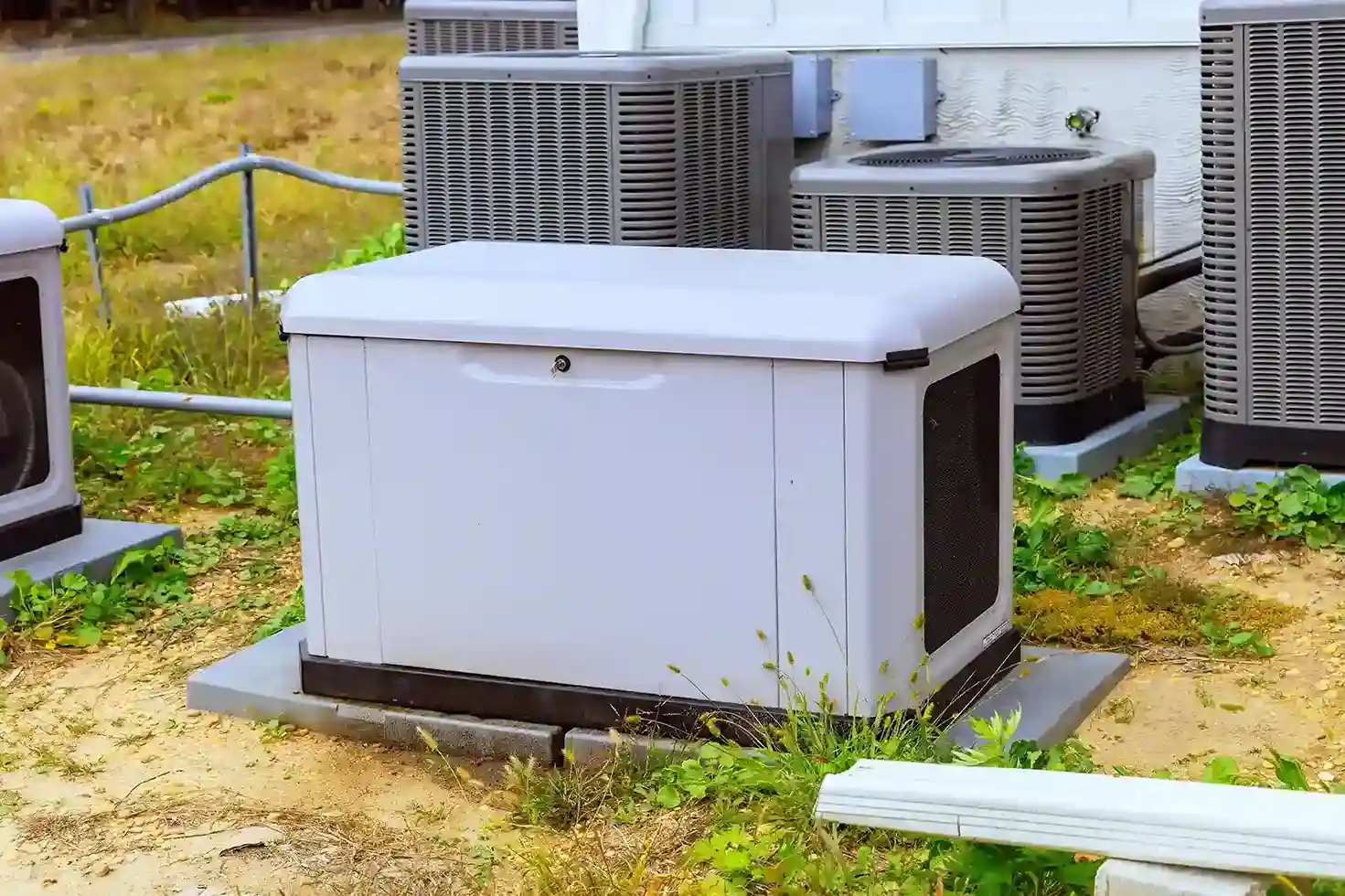
When you commit to a backup power system, you are purchasing a complete electrical upgrade, not just a piece of machinery. The installation process involves high-voltage electrical work, gas plumbing, and site preparation. A professional approach ensures that every component meets the National Electrical Code (NEC) and local building standards.
- Site Assessment and Load Calculation: The process begins with a detailed audit of your electrical needs. Technicians calculate the starting wattage and running wattage of your essential appliances. This ensures the unit is sized correctly—neither underpowered (which risks tripping breakers) nor overpowered (which wastes fuel and increases costs).
- Fuel Source Integration: Most standby generators run on natural gas or liquid propane (LP). The installation includes connecting the unit to your existing gas lines. If you rely on a propane tank, the line must be sized to handle the generator's high-volume demand, especially during winter when your furnace is also drawing fuel.
- Electrical Panel Integration: The Automatic Transfer Switch is mounted near your main electrical panel. This involves rerouting service entry cables to ensure the switch controls the entire load or specific critical circuits, depending on your preference.
- Site Preparation: The physical unit requires a stable, level base to prevent vibration and settling. This usually involves pouring a concrete pad or installing a pre-cast composite concrete mounting pad. Proper placement also dictates distance from windows and combustible materials to prevent exhaust fumes from entering the home.
The Step-by-Step Installation Process
Understanding the workflow of a generator installation helps homeowners prepare for the project. While the actual connection might take a single day, the preparation and commissioning phases are rigorous to ensure safety and compliance.
- Initial Consultation and Permitting: First, the technical team evaluates the property to determine the optimal location for the unit based on noise ordinances, property lines, and fuel access. Once the plan is finalized, the necessary electrical and plumbing permits are secured from local authorities to ensure all work passes inspection.
- Pad Preparation and Delivery: Next, the installation site is leveled and prepared. The mounting pad is installed to keep the generator elevated above ground level, protecting it from standing water and soil corrosion. The generator is then delivered and bolted securely to this base.
- Plumbing and Electrical Connections: Subsequently, licensed professionals perform the critical connections. Pipefitters run the gas piping from the meter or tank to the generator, installing necessary shut-off valves and sediment traps. Simultaneously, electricians wire the generator to the ATS and the ATS to the main breaker panel.
- System Testing and Commissioning: Finally, the system undergoes a full load test. The main breaker is simulated to trip, forcing the generator to start and take over the electrical load. Technicians verify voltage stability, frequency (Hertz), and gas pressure. The system is then programmed to perform its weekly self-diagnostic exercise cycle.
When to Replace an Existing Generator
If your property already has a backup generator, determining when to repair it versus when to replace it is a financial and safety decision. Generators are engines; like cars, they have a finite lifespan. While regular maintenance extends this life, critical failures on older units often signal that replacement is the more prudent path.
- Age and Parts Availability: Most standby generators have a lifespan of 15 to 20 years. If your unit is approaching two decades of service and requires a major repair—such as a stator rewind or engine overhaul—investing that money into a new unit with a fresh warranty is often wiser. Furthermore, sourcing parts for obsolete models can result in extended downtime.
- Increased Power Demands: If you have added significant electrical loads to your home since the original installation, your current generator may be undersized. Adding central air conditioning, an electric vehicle charger, or a hot tub changes your load profile. An undersized generator will struggle to start large motors, potentially damaging both the generator and your appliances.
- Frequency of Breakdowns: Frequent starting failures, oil leaks, or controller errors indicate a degrading system. Reliability is the primary purpose of a generator; if you cannot trust it to start during an emergency, it is not serving its function. Modern units also offer superior fuel efficiency and quieter operation compared to models from the early 2000s.
Local Considerations for Sams Valley Residents
Installing a generator in Sams Valley requires specific attention to the regional climate and terrain. The Mediterranean climate, characterized by wet winters and dry summers, presents unique challenges that must be addressed during installation to ensure longevity and safety.
- Moisture and Drainage: With the heaviest rainfall occurring between December and January, the placement of the generator pad is critical. It must be located in an area with excellent drainage to prevent water from pooling around the base, which can lead to corrosion of the enclosure and electrical shorts. In higher elevations where light snow is possible, the unit needs sufficient clearance to prevent drifts from blocking air intakes.
- Fire Safety and Clearances: The dry summers increase fire risk. Installation must strictly adhere to clearance protocols, keeping the unit a safe distance from dry brush, wooden decks, and other combustibles. Spark arrestors and exhaust management are vital for safety in fire-prone zones.
- Utility Coordination: Coordinating with Pacific Power or the local utility provider is often a necessary step, especially if the service meter needs to be pulled for the transfer switch installation. Professional installers handle this coordination to minimize power interruption during the setup day.
- Stone Heating and Air understands these local nuances and ensures every installation is weather-proofed against the wet winter months while being compliant with fire safety setbacks for the summer.
Why Professional Installation is Mandatory
Attempting to install a standby generator without professional certification is dangerous and often illegal. The integration of high-pressure gas lines with high-voltage electricity creates a high-risk environment. A DIY installation can void the manufacturer’s warranty, lead to insurance claim denials, and pose severe fire or electrocution hazards.
- Warranty Preservation: Major manufacturers like Generac require installation by certified technicians to validate the warranty. If a component fails, proof of professional installation and maintenance is required for coverage.
- Code Compliance: Electrical and plumbing codes change frequently. Licensed installers stay updated on the National Electrical Code (NEC) and local amendments in Oregon. This ensures your home remains compliant for future resale and insurance assessments.
- Proper Sizing and Load Management: Guessing at wattage requirements is the most common error in amateur setups. Professionals use accurate load calculation tools to account for "inrush current"—the surge of power needed to start motors—ensuring your lights don't dim or breakers don't trip when the AC kicks on.
Ensuring Long-Term Reliability
Once installed, a generator requires routine care to remain battle-ready. A "set it and forget it" mentality can lead to failure when you need power the most. The engine requires oil changes, spark plug replacements, and battery testing just like a vehicle.
- Weekly Exercise Cycles: Modern generators are programmed to run for about 10 to 12 minutes once a week. This "exercise" lubricates the engine seals, charges the battery, and ensures the system is operational. It is crucial to check the controller periodically to ensure these cycles are completing without error codes.
- Scheduled Maintenance: Manufacturers recommend professional maintenance every 6 to 12 months, or after every 100 hours of runtime. This service typically includes changing the oil and filter, checking valve clearance, testing the transfer switch, and inspecting fuel lines for leaks or dry rot.
- Battery Health: The starting battery is the most common point of failure. Because the generator sits idle for long periods, the battery is kept charged by a trickle charger. However, batteries degrade over time and typically need replacement every 3 to 5 years to guarantee the engine cranks during a cold winter outage.
Differentiators in Service Quality
Selecting the right contractor for your generator installation determines the reliability of your backup power for the next twenty years. The focus should always be on technical expertise, licensing, and post-installation support. Low-cost providers often cut corners on site prep or use inferior gas piping materials, leading to problems down the road — read our reviews.
- Licensed and Insured: Every technician on the project should be fully licensed for the specific trade they are performing, whether electrical or plumbing. Comprehensive liability insurance protects your property during the installation process.
- Turnkey Solutions: The best providers handle the entire project from permit application to final inspection. This eliminates the stress of coordinating between plumbers, electricians, and inspectors.
- Customer Education: A quality installation concludes with a thorough walkthrough. The homeowner is taught how to read the status indicators, how to check oil levels, and how to operate the manual override on the transfer switch if necessary.
When the grid goes down, your home should remain a fortress of safety and comfort. Don't wait for the next storm to realize your vulnerability. Trust Stone Heating and Air to provide a robust, professionally installed power solution tailored to your specific needs.
Secure your home’s power supply today—contact us to schedule your free estimate.
Power Your Home with Confidence — Choose Stone Heating and Air
A reliable backup generator isn’t just about convenience—it’s about protecting your home, your family, and your peace of mind during unpredictable power outages in Sams Valley. Whether storms, equipment failures, or planned shutoffs threaten your daily routine, a professionally installed standby generator ensures your essential systems stay running without interruption. At Stone Heating and Air, we specialize in whole-home power solutions that are engineered for safety, efficiency, and long-term reliability. From accurate load calculations and code-compliant installation to ongoing maintenance and support, our licensed experts deliver a seamless experience from start to finish. Don’t wait until the next outage leaves you vulnerable—contact us today to schedule your free estimate and discover how Stone Heating and Air can secure your home with dependable backup power.
- Book Expert Service Or Contact Us