
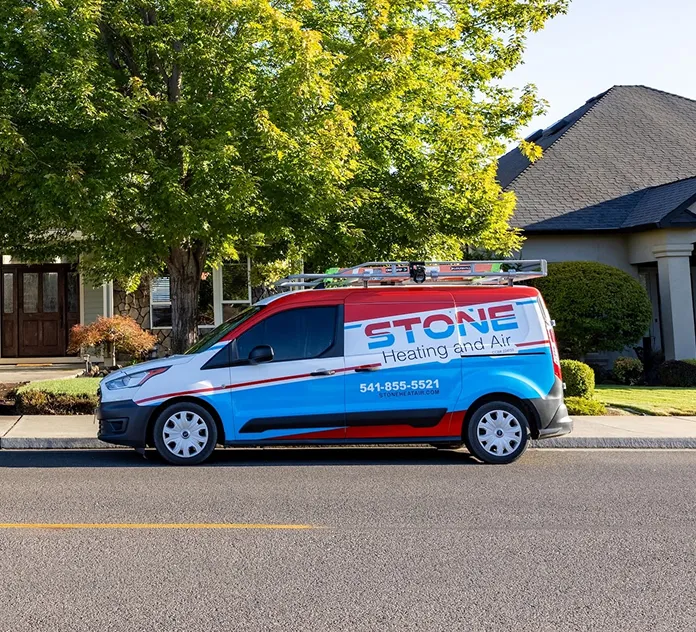
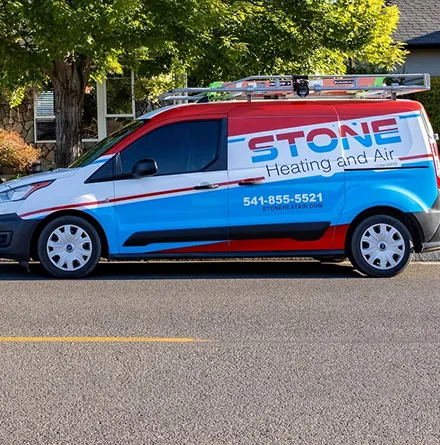

When your furnace quits during a freezing night or your AC dies on a 100-degree afternoon, waiting until business hours isn't an option. A total HVAC failure puts your family at risk and can cause serious property damage from frozen pipes or extreme heat. Stone Heating & Air provides 24/7 emergency HVAC service in Rogue River, OR, with fast response times when you need help most.
We're available around the clock for urgent situations:
- 24/7 emergency dispatch for complete heating and cooling failures.
- Fully stocked trucks for common repairs on the first visit.
- Upfront diagnosis and pricing — no surprise emergency surcharges.
- Fast response for both residential and commercial emergencies. Call Stone Heating & Air now at (541) 855-5521 for emergency HVAC service in Rogue River.
Immediate Response and Comprehensive Diagnostics
A breakdown rarely happens at a convenient time. It often occurs during a holiday dinner, in the middle of a freezing night, or during a heatwave when your system is under the most stress. Waiting days for a scheduled appointment is not an option when internal temperatures are climbing to dangerous levels or dropping fast. Emergency service means prioritizing your call to get a truck to your driveway as soon as possible. Stone Heating and Air ensures that when you reach out with a crisis, the logistics of dispatching a qualified professional begin immediately.
When a technician arrives for an emergency call in Rogue River, the objective is two-fold: stabilize the home environment and identify the root cause of the failure. This goes beyond a surface-level inspection. Technicians arrive in fully stocked vehicles equipped with universal parts, diagnostic tools, and testing equipment. This preparation minimizes the need for follow-up visits and aims for a "one-trip" resolution whenever feasible.
The scope of emergency diagnostics includes a thorough examination of the entire system. This involves testing electrical connections for shorts or loose wires, measuring refrigerant levels to detect leaks, and inspecting the heat exchanger for cracks which can pose carbon monoxide risks. It also includes evaluating airflow restrictions, checking thermostat calibration, and assessing the condition of blower motors and capacitors. You receive a clear, jargon-free explanation of what failed, why it failed, and exactly what is required to fix it today.
Common emergency scenarios addressed immediately include:
- Furnace Ignition Failure: The system attempts to start but locks out safely due to sensor errors, dirty burners, or gas valve issues.
- Frozen Evaporator Coils: Ice buildup blocks airflow, causing the AC to stop cooling and potentially damaging the compressor.
- Refrigerant Leaks: Low refrigerant levels reduce cooling capacity and can lead to catastrophic compressor failure if not sealed and recharged.
- Electrical Component Failure: Blown capacitors, contactors, or fuses that prevent the outdoor unit or indoor blower from operating.
- Drainage Issues: Clogged condensate lines that trigger overflow switches, shutting down the system to prevent water damage to your home.
Restoring Your Comfort Step-by-Step
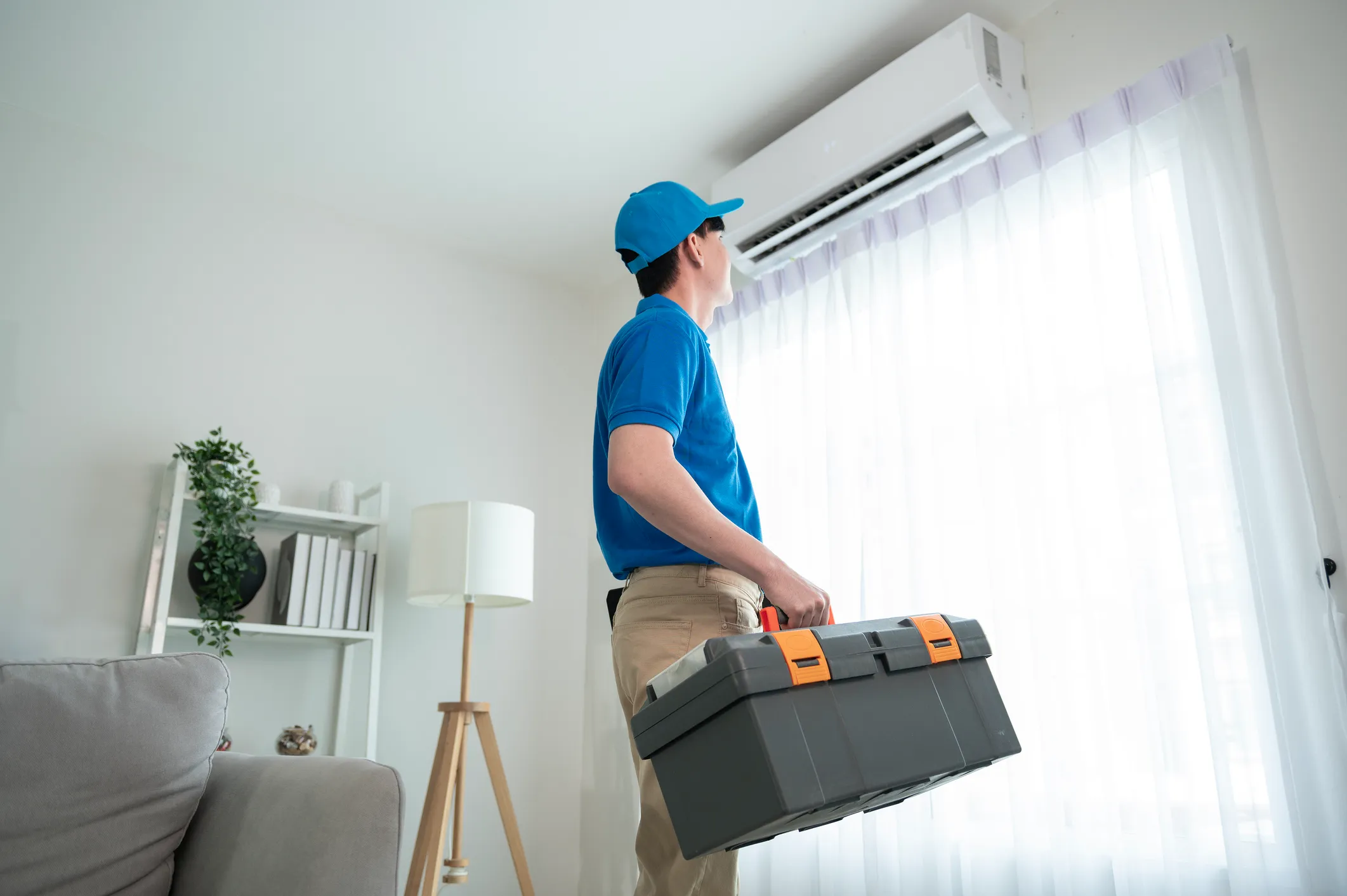
Understanding the process of emergency repair helps alleviate the stress of the situation. You need to know exactly what happens from the moment you notice the issue to the moment cool air or heat is restored. The workflow is designed to be efficient, transparent, and focused on technical accuracy.
- Triage and Dispatch: Upon contacting the service team, the severity of your issue is assessed. Dispatchers prioritize calls based on health risks (such as elderly residents or infants in extreme temperatures) and total system failure. You are given an estimated arrival window, and you receive updates when the technician is en route.
- On-Site Assessment: The technician listens to your description of the problem—strange noises, smells, or specific behaviors of the unit. They then perform a sequence of tests using multimeters, manometers, and temperature probes to isolate the fault.
- Presentation of Options: Once the problem is identified, you are presented with immediate repair options. If the system is aged or the repair is cost-prohibitive, replacement scenarios may also be discussed, but the focus remains on getting your system running. You authorize the work before any tools are applied to the fix.
- Execution of Repair: The technician proceeds with the approved repair. This might involve swapping out a failed capacitor, cleaning a flame sensor, clearing a blocked drain line, or recharging refrigerant. The goal is to restore function safely and efficiently.
- System Validation: After the repair is complete, the system is not just turned on; it is cycled through a full run test. The technician measures temperature differentials (Delta T) to ensure the unit is heating or cooling to manufacturer specifications. They also check amp draws on motors to ensure no underlying issues remain.
- Site Cleanup and Report: The work area is cleaned, and old parts are removed. You receive a detailed digital report outlining the work performed, parts used, and any recommendations for future maintenance to prevent recurrence.
Making the Right Call: Fix It or Swap It?
In an emergency scenario, the pressure to simply "get it working" is high. However, pouring money into a dying system is not always the most prudent financial decision. There comes a tipping point where the cost of the emergency repair approaches or exceeds the value of investing in a new, warrantied system.
Technicians provide data to help you make an informed decision based on the specific condition of your unit. This decision matrix is often referred to as the "50% Rule"—if the cost of the repair is 50% or more of the cost of a new system, replacement is generally the better option. However, other factors play a critical role.
- Age of the Equipment: The average lifespan of a heat pump or central AC is 10 to 15 years, while gas furnaces may last 15 to 20 years. If your equipment in Rogue River is nearing the end of this window, a major repair might just be a temporary band-aid before the next component fails.
- Frequency of Breakdowns: If this is the second or third service call in the last two years, your system is likely becoming unreliable. Cumulative repair costs often exceed the monthly financing cost of a modern, high-efficiency system.
- Energy Efficiency: Older units often have much lower SEER (Seasonal Energy Efficiency Ratio) or AFUE (Annual Fuel Utilization Efficiency) ratings compared to modern standards. Upgrading can significantly lower monthly utility bills, helping to offset the installation cost over time.
- Refrigerant Type: If your older air conditioner uses R-22 (Freon), which has been phased out, repair costs involving refrigerant will be astronomically high. Upgrading to a system using R-410A or newer refrigerants is necessary for long-term viability.
- Safety Concerns: If a furnace has a cracked heat exchanger, repair is rarely a safe option. This defect allows carbon monoxide to leak into the living space. In such cases, replacement is mandatory for the safety of the household.
Regional Considerations for Rogue River HVAC Systems
Operating HVAC equipment in Southern Oregon requires specific attention to local climate patterns and environmental factors. Rogue River experiences a Mediterranean climate, characterized by distinct wet and dry seasons, which places unique stressors on heating and cooling infrastructure.
- Wildfire Smoke and Indoor Air Quality: Summer in the Rogue Valley often brings wildfire smoke. This particulate matter can clog standard filters rapidly, reducing airflow and straining the blower motor. Emergency services frequently involve addressing systems that have frozen up or overheated due to smoke-clogged filters. Upgrading to higher MERV-rated filtration or installing whole-home air purifiers is often discussed during these visits to protect both the equipment and your lungs.
- Humidity and Rust: The wet, mild winters can lead to corrosion on outdoor heat pump units and gas furnace venting systems. Electrical connections on outdoor units are particularly susceptible to oxidation, which increases resistance and heat, leading to component failure. Technicians check for weather-related wear that is specific to the damp Pacific Northwest winters.
- Heat Pump Reliance: Given the mild winters, heat pumps are a popular and efficient choice in this region. However, when temperatures occasionally drop below freezing, the defrost cycle becomes critical. Emergency calls often stem from heat pumps failing to defrost, turning the outdoor unit into a block of ice. Proper sensor calibration is essential for local weather patterns.
- Local Codes and Permits: Any significant repair involving gas lines, electrical circuit modifications, or system replacement requires adherence to Oregon building codes. Professional service ensures that all work is compliant, preventing issues when you eventually sell your home or file an insurance claim.
- Utility Rebates: Local utility providers often offer rebates for upgrading to high-efficiency heat pumps or smart thermostats. While an emergency repair focuses on the immediate fix, technicians can advise if a replacement would qualify for current Energy Trust of Oregon incentives or federal tax credits, providing a silver lining to the breakdown.
Why Trust Local Experts with Your Emergency?
When your home is freezing or sweltering, you need more than just a handyman; you need a certified HVAC specialist. The difference between a quick patch job and a lasting solution lies in the training and integrity of the technician.
Local providers understand the specific load calculations required for homes in the valley. They know which brands hold up best against the local climate and carry the specific parts most likely to fail in this region. Choosing a local expert means you are getting a technician who has likely seen the exact model of your furnace or AC unit dozens of times and knows its common failure points.
Professional service guarantees include:
- Transparent Pricing: Emergency service should not come with hidden fees. You receive upfront pricing for the diagnostic and a flat-rate quote for the repair before work begins.
- Warranty Preservation: Unauthorized repairs can void manufacturer warranties. Certified technicians ensure that parts and labor comply with warranty terms, protecting your investment.
- Safety Verification: Every gas furnace repair includes a combustion analysis to ensure the unit is burning fuel safely and not emitting dangerous gases. Every AC repair includes pressure testing to ensure no refrigerant is leaking into the atmosphere.
By relying on established local professionals, you ensure that your emergency is handled with the seriousness it deserves, restoring your home to safety and comfort without unnecessary delays.
If you are currently experiencing a heating or cooling failure, do not wait for the problem to escalate. Secure your home’s comfort and safety immediately. Contact our dispatch team now to schedule your emergency service.
Restore Safety and Comfort with Fast, Reliable Emergency HVAC Service
When your heating or cooling system fails, every minute counts—especially in Rogue River’s harsh winters, smoky summers, and rapidly changing weather patterns. You deserve an emergency response team that understands the urgency, provides accurate diagnostics, and delivers dependable repairs without delay. At Stone Heating and Air, our certified technicians are equipped to restore your home’s climate control safely, efficiently, and in full compliance with local codes. Whether you’re facing a furnace shutdown, AC failure, refrigerant leak, or any other critical issue, we act immediately to stabilize your environment and eliminate further risks. Don’t let a breakdown compromise your home or your family’s well-being—contact us now to dispatch an emergency technician and regain the comfort and security your household depends on with Stone Heating and Air.
- Book Expert Service Or Contact Us