

Designing HVAC for a commercial building requires getting the system right before construction begins — retrofit fixes are expensive and rarely perform well. Proper zoning, equipment sizing, and ductwork layout are critical to occupant comfort and energy efficiency. Stone Heating & Air provides commercial HVAC design-build services in Talent, OR, as a single-source solution from design through installation.
We handle every phase of your commercial HVAC project:
- Custom system design based on building use, occupancy, and load.
- Equipment selection and procurement matched to your budget.
- Professional installation coordinated with your construction timeline.
- Commissioning and performance testing before handoff. Call Stone Heating & Air at (541) 855-5521 to discuss your commercial project in Talent today.
Comprehensive Commercial Design-Build Services
The design-build model streamlines the traditional construction workflow by combining the engineering and installation phases into a single contract. Instead of managing separate architects, engineers, and contractors, you work with one unified team responsible for the entire project lifecycle. This approach is critical for businesses in Talent that need to adhere to strict timelines and budget constraints. Whether you are constructing a new facility or retrofitting an aging building, the goal is to deliver a system perfectly matched to your load requirements.
A properly executed design-build project eliminates the disconnect that often occurs between a designer’s vision and an installer’s reality. By integrating these functions, potential conflicts are identified and resolved during the planning phase, not on the job site where they cause delays. This method covers every aspect of the HVAC system, including load calculations, ductwork fabrication, equipment selection, and control system integration.
What Is Included in the Scope
Commercial HVAC projects differ significantly from residential work due to the complexity of zoning, occupancy rates, and internal heat loads. A robust design-build service includes detailed analysis and execution steps to ensure the final product meets specific operational goals.
- Custom Load Calculation: Engineering teams perform manual J, S, and D calculations to determine the exact heating and cooling requirements based on square footage, insulation, window exposure, and occupancy.
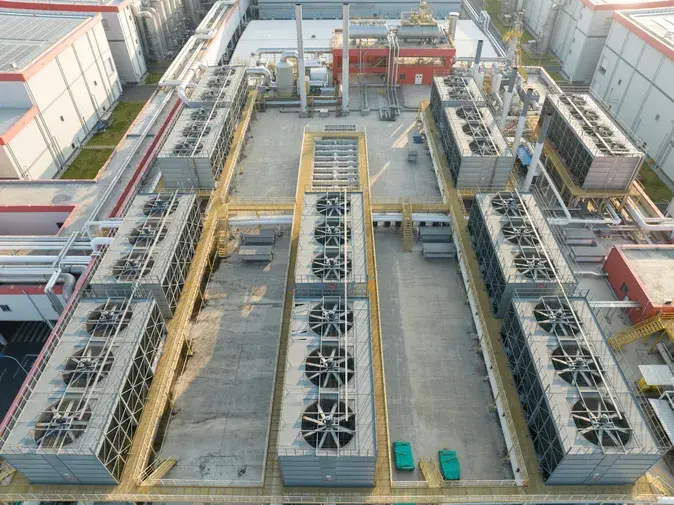
- Equipment Selection: Selection of Rooftop Units (RTUs), Variable Refrigerant Flow (VRF) systems, chillers, or split systems that align with energy efficiency targets and budget.
- Ductwork and Air Distribution: Custom fabrication of ductwork to ensure balanced airflow, proper static pressure, and noise reduction throughout the commercial space.
- Control Systems: Integration of smart thermostats and building automation systems (BAS) to allow facility managers to monitor and adjust climates remotely.
- Ventilation and Indoor Air Quality: Implementation of make-up air units, energy recovery ventilators (ERVs), and filtration systems to meet code requirements for fresh air exchange.
The Commercial Design-Build Process
Understanding the workflow of a design-build project helps facility managers and business owners prepare for the installation. This process is designed to be linear and transparent, reducing the "change orders" that plague traditional plan-and-spec projects. The timeline moves rapidly from conceptualization to physical installation.
Pre-Construction and Assessment
The process begins with a deep dive into the needs of the building. For existing structures in Talent, this involves a site survey to evaluate current equipment, structural integrity for roof loads, and existing utility infrastructure.
- First, the team conducts a needs analysis meeting to understand the business operations, hours of operation, and critical climate zones within the building.
- Next, engineers review architectural drawings or create as-built drawings for retrofits to identify constraints such as ceiling height, plenum space, and structural support.
- Finally, a preliminary budget and timeline are established, giving stakeholders a clear picture of the investment required before detailed engineering begins.
Engineering and Design
Once the parameters are set, the engineering phase translates requirements into technical specifications. This is where the efficiency of the system is determined.
- The engineering team utilizes CAD (Computer-Aided Design) software to lay out the system, ensuring that duct runs do not conflict with electrical, plumbing, or fire suppression systems.
- Technicians verify that the proposed equipment meets all local energy codes and SEER ratings required for the region.
- The design is finalized and submitted for necessary permits, handling all bureaucratic hurdles on behalf of the client.
Installation and Commissioning
With the design approved and permits in hand, the physical work begins. Because the installation team is part of the same company that designed the system, the transition is seamless.
- Mobilization occurs immediately, with equipment and materials delivered to the site according to a just-in-time schedule to avoid site congestion.
- Installation crews execute the plan, fabricating ductwork and mounting units with precision.
- Upon completion, the system undergoes a rigorous commissioning process. Technicians test air balance, check refrigerant charges, calibrate thermostats, and verify that all safety controls are functioning.
- The final step involves training the facility management staff on how to operate the new system for maximum efficiency and longevity.
When to Choose a Design-Build Retrofit vs. Repair
Deciding between repairing an existing commercial unit or investing in a design-build retrofit is a major financial decision. While repairs may offer a lower upfront cost, they often serve as temporary bandages on a system that is fundamentally mismatched to the building's current needs. There are specific triggers that indicate a full replacement and redesign is the more prudent business choice.
Escalating Operational Costs
If energy bills are climbing despite normal usage patterns, it indicates that the equipment is losing efficiency or working harder than necessary to maintain setpoints.
- Frequent Breakdowns: If service calls are becoming a monthly occurrence, the cumulative cost of repairs and downtime often outweighs the monthly financing cost of a new system.
- Energy Inefficiency: Older units often utilize R-22 refrigerant or lack the variable speed technology found in modern systems. upgrading to high-SEER equipment can drastically reduce electrical consumption.
Changes in Building Utilization
Commercial spaces evolve. A building that was originally designed as a warehouse may now be a subdivided office space or a retail floor. The original HVAC system was likely not designed for the current occupancy load or partition layout.
- Zoning Issues: If tenants in one part of the building are freezing while others are overheating, the current distribution design is failing. A retrofit allows for the creation of new zones.
- Tenant Improvements: When renovating a space for a new tenant, relying on old equipment creates liability. A design-build approach ensures the new tenant has reliable climate control from day one.
- Asset Value: A modern, warranted HVAC system significantly increases the property value and appeal to potential leaseholders or buyers.
Local Considerations: Codes, Climate, and Compliance
Operating in Talent and the surrounding Pacific Northwest region requires specific attention to environmental factors and regulatory codes. A generic HVAC design that works in a dry, hot climate may fail in a region with distinct seasonal shifts and specific humidity concerns.
Regional Climate Impact
The local climate involves peak heating demands in late fall and winter, alongside significant cooling needs in summer. Transitional seasons like spring and fall can be tricky, as a building might require heating in the morning and cooling in the afternoon.
- Economizers: Systems designed for this region often utilize economizers, which pull in cool outside air during transitional weather to cool the building without running the compressor, saving energy.
- Humidity Control: While not tropical, the region experiences moisture that must be managed to prevent mold growth within ductwork and building envelopes.
- Heat Pumps: High-efficiency commercial heat pumps are increasingly popular in the area due to their ability to provide both heating and cooling without the need for natural gas infrastructure.
Regulatory and Permitting Landscape
Commercial HVAC work is subject to stringent local and state codes. Non-compliance can lead to fines, failed inspections, and the inability to obtain a certificate of occupancy.
- Title 24 and Energy Codes: Compliance with energy efficiency standards is mandatory. This often requires programmable thermostats, specific insulation values on ductwork, and high-efficiency motors.
- Seismic Bracing: Equipment installed on rooftops or suspended from ceilings must meet seismic bracing requirements to ensure safety during an earthquake.
- Ventilation Codes: Post-pandemic standards for air exchange rates are strictly enforced in commercial environments to ensure occupant health.
Stone Heating and Air navigates these local complexities expertly, ensuring that every design-build project is fully compliant with current codes and positioned for future regulatory changes.
Why Single-Source Responsibility Matters
The primary advantage of the design-build model is single-source responsibility. In a traditional plan-and-spec scenario, if a system fails to perform, the engineer blames the installer, and the installer blames the design. This leaves the business owner stuck in the middle, often paying for the fix.
In a design-build arrangement, the contractor holds total accountability for the system’s performance. If the unit is too loud, it is the contractor's job to fix it. If the server room is too hot, the contractor must adjust the design. This accountability drives higher quality standards because the team designing the system knows they will be the ones maintaining it.
Speed to Market
For commercial projects, time is money. Waiting for a third-party engineering firm to complete drawings, then putting those drawings out to bid, then reviewing bids, and finally scheduling installation is a long process. Design-build overlaps these phases. Equipment can be ordered while the final duct layout is being approved. This "fast-tracking" capability is essential for emergency replacements or tight construction deadlines.
Cost Control and Value Engineering
Budgets are respected from the initial conversation. In the traditional model, a design might be completed only to find out that the construction cost exceeds the budget by 30%. The project then stalls for redesign. With design-build, pricing is developed alongside the design.
- Value Engineering: The team can suggest alternative equipment or routing options that save money without sacrificing performance, before the design is finalized.
- Guaranteed Maximum Price: This method often allows for a guaranteed price earlier in the project, protecting the business owner from cost overruns.
- Reduced Administrative Burden: Processing one contract and one invoice stream simplifies project management for the building owner.
Securing Your Commercial Environment
A functional, efficient HVAC system is the backbone of any commercial facility. It protects inventory, ensures employee productivity, and keeps customers comfortable. Whether facing an emergency replacement scenario or planning a new facility, the design-build approach offers the most direct path to a reliable solution.
By consolidating design, engineering, and installation into a single streamlined process, business owners eliminate the risks of miscommunication and delays. The focus remains on performance, efficiency, and speed. For businesses in Talent requiring immediate action or long-term strategic HVAC planning, Stone Heating and Air delivers systems engineered for longevity and operational excellence.
Take control of your facility's climate and operational costs. Secure a consultation for a commercial HVAC design-build solution today.
- Book Expert Service Or Contact Us