

The worst time to discover your furnace has a cracked heat exchanger or a failing ignitor is during a freezing January night. Regular heating maintenance catches these problems while they're still minor and inexpensive to fix. Stone Heating & Air provides thorough heating maintenance in Butte Falls, OR, to keep your system safe, efficient, and reliable all winter.
Annual maintenance prevents emergencies and saves money:
- Heat exchanger inspection for cracks and carbon monoxide risks.
- Burner and ignition system cleaning and testing.
- Blower motor and electrical connection evaluation.
- Filter replacement and airflow verification. Call Stone Heating & Air at (541) 855-5521 to schedule heating maintenance in Butte Falls today.
What a Professional Heating Tune-Up Includes
A comprehensive maintenance visit goes far beyond a simple filter change or a quick visual glance at the unit. It involves a rigorous, multi-point inspection and calibration process designed to return your equipment to factory specifications. When a technician arrives at your home, the goal is to identify micro-issues before they evolve into major component failures that leave you without heat in the middle of January.
The core of the maintenance service focuses on safety, efficiency, and longevity. Over months of operation, connections vibrate loose, sensors become coated in grime, and moving parts experience friction. Addressing these specific wear-and-tear items systematically restores the system's ability to heat your home without wasting energy.
Safety Inspection and Component Testing
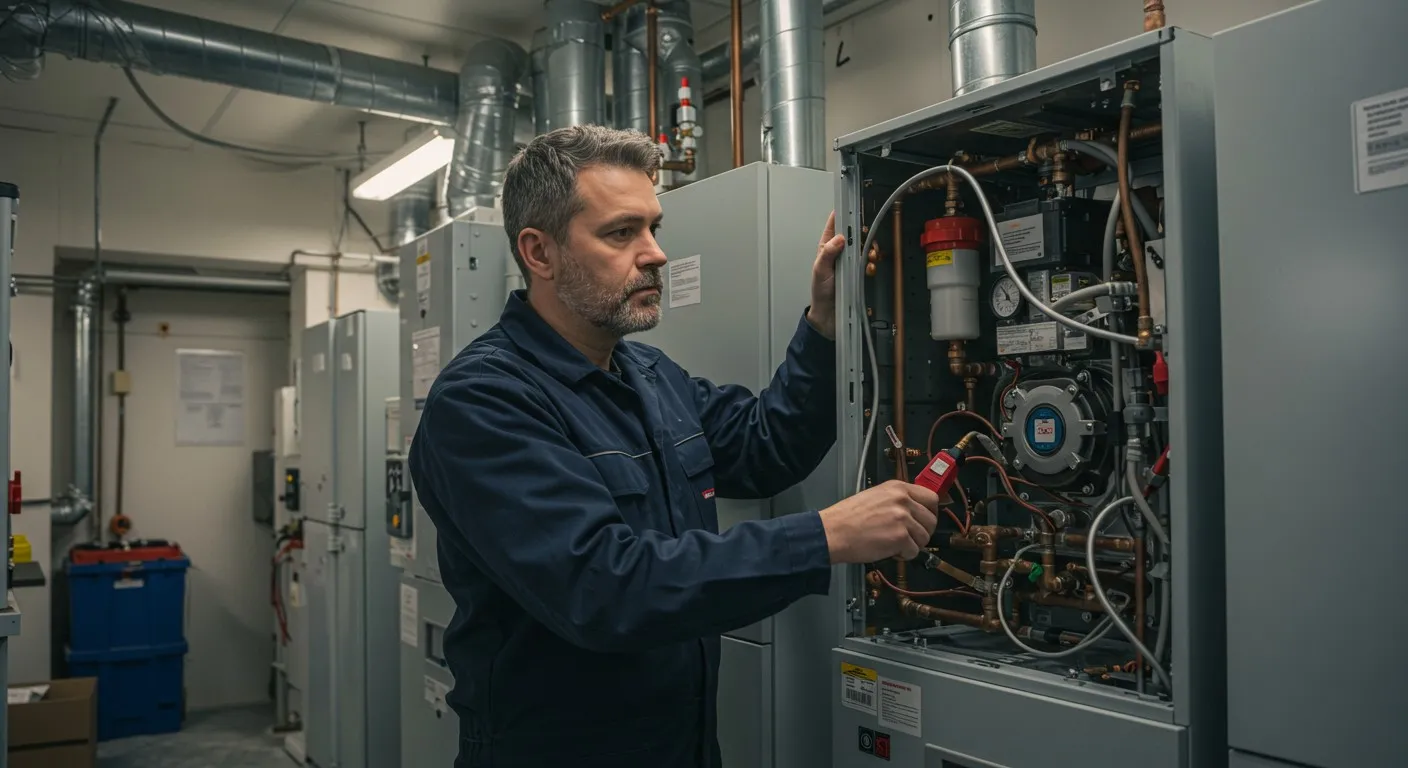
The most critical aspect of heating maintenance is ensuring the safe operation of the equipment. Gas furnaces and electrical heating systems involve high voltage and combustible fuels. Neglected systems can pose serious risks, including carbon monoxide leaks or electrical fires.
- Heat Exchanger Analysis: Technicians inspect the heat exchanger for cracks or fissures. This component separates combustion gases from the breathing air in your home. Even a hairline fracture requires immediate attention to prevent carbon monoxide exposure.
- Gas Pressure and Valve Calibration: The gas valve is tested to ensure it opens and closes correctly. Gas pressure is measured to ensure the manifold pressure matches the manufacturer’s specifications, preventing incomplete combustion or overheating.
- Limit Switch Testing: The high-limit switch acts as a safety barrier, shutting the furnace down if it overheats. Testing this mechanism ensures the system will safely turn off if airflow is restricted.
- Flue and Venting Inspection: The venting system is examined for blockages, corrosion, or back-drafting. Proper drafting is essential for expelling exhaust gases safely out of the home.
- Carbon Monoxide Detection: A specialized analysis is performed to detect any trace of CO around the unit, providing a final layer of safety verification.
Electrical and Mechanical Optimization
Modern heating systems rely heavily on complex electrical circuits and precise mechanical movement. When these components struggle, the system works harder, draws more amperage, and drives up utility costs.
- Blower Motor Inspection: The blower motor is checked for amp draw and capacitor strength. If a capacitor is weak, the motor struggles to start, leading to burnout. The wheel is also cleaned to remove dust buildup that creates drag.
- Thermostat Calibration: The thermostat is the brain of the system. Technicians verify that the temperature reading on the wall matches the actual temperature at the return air intake to prevent short-cycling or continuous running.
- Electrical Connection Tightening: Loose wires cause resistance, which leads to heat and arcing. All electrical connections are tightened, and wire insulation is inspected for signs of melting or brittleness.
- Igniter and Flame Sensor Cleaning: The flame sensor tells the furnace that a fire is present. If it gets dirty, it shuts the system down as a safety precaution. Cleaning this sensor prevents nuisance lockouts.
- Lubrication of Moving Parts: Older motors and bearings require lubrication to reduce friction. Eliminating friction reduces the electrical load and prevents grinding noises during operation.
Airflow and Combustion Analysis
Efficiency is largely determined by how well air moves through the system and how effectively fuel is burned. Stone Heating and Air technicians focus heavily on airflow dynamics during a maintenance visit.
- Static Pressure Measurement: Static pressure measures the resistance against the blower motor. High static pressure indicates duct restrictions or dirty coils, which can reduce the lifespan of the blower.
- Filter Assessment: While homeowners often change filters, technicians check the filter sizing and fit. An ill-fitting filter allows bypass, letting dust coat the internal coils and motor.
- Burner Assembly Cleaning: The burners are removed and cleaned to ensure a clean, blue flame. A yellow or flickering flame indicates poor combustion and soot buildup, which reduces heat transfer efficiency.
- Temperature Rise Verification: The temperature difference between the supply air and the return air is measured. This "temperature rise" must fall within the manufacturer's specific range to ensure the heat exchanger is not stressed.
The Maintenance Workflow: What to Expect
Understanding the process of a service call helps homeowners prepare and ensures transparency — read our reviews. A professional maintenance appointment is structured and efficient, designed to respect your time while providing a deep clean and inspection of the heating unit.
- Initial System Assessment: Upon arrival, the technician discusses any specific concerns you have noticed, such as odd noises, cold spots in the house, or rising energy bills. The thermostat is then tested to initiate the heating cycle.
- Site Protection: Technicians wear shoe covers and use drop cloths to protect flooring and surrounding areas. The workspace around the furnace or heat pump is kept tidy throughout the inspection.
- System De-energization and Access: Power to the unit is turned off for safety. Service panels are removed to access internal components. This is where the deep cleaning and testing phase begins.
- Diagnostic Testing: Using multimeters, manometers, and combustion analyzers, the technician gathers data on how the system is performing compared to its design benchmarks.
- Cleaning and Adjustment: Components are cleaned, lubricated, and adjusted based on the diagnostic findings. This is the hands-on restoration phase of the service.
- System Restart and Verification: The system is reassembled and powered on. The technician observes a full heating cycle to ensure ignition is smooth, the blower engages at the right time, and the system shuts down properly.
- Reporting and Recommendations: You receive a detailed report outlining what was done, the current status of the system, and any recommendations for repairs if worn parts were discovered. This report serves as a record for warranty compliance.
Deciding Between Repair and Replacement
During a maintenance visit, issues are sometimes uncovered that go beyond simple adjustments. Determining whether to repair a specific component or replace the entire system is a financial and practical decision. Maintenance is designed to extend life, but it cannot reverse severe age-related deterioration.
- The 50% Rule: A common guideline in the industry suggests that if the cost of a repair approaches 50% of the value of a new system, replacement is the more economically sound choice.
- Age of the Equipment: Furnaces typically last 15 to 20 years, while heat pumps may last 10 to 15 years. If your system is nearing the end of this window and requires a major part like a blower motor or compressor, investing in a new unit prevents throwing money at a dying asset.
- Frequency of Breakdowns: If you find yourself calling for repairs multiple times a year despite regular maintenance, the system has likely become unreliable. Maintenance maintains a working system; it does not resurrect a failing one.
- Energy Efficiency Ratings: Older units often have AFUE (Annual Fuel Utilization Efficiency) ratings of 80% or lower. Upgrading to a modern high-efficiency system (95%+) can result in significant monthly savings that offset the installation cost over time.
- Critical Component Failure: If the heat exchanger is cracked, the system must be replaced immediately for safety reasons. In most cases, replacing a heat exchanger is so labor-intensive that a full system replacement is the only logical option.
Local Climate Factors and Heating Requirements
Operating a heating system in Butte Falls presents unique challenges compared to other regions. The elevation and geography influence how hard the system has to work and what specific maintenance tasks are most critical.
- Elevation and Temperature Swings: Butte Falls experiences distinct seasonal shifts with potentially heavy winter precipitation and snow. The heating system must be capable of handling rapid temperature drops. Technicians verify that the system can maintain capacity during these extreme lows.
- Heat Pump Defrost Cycles: For homes utilizing heat pumps, the defrost board is a critical check. In regions with freezing temperatures and moisture, heat pumps must frequently defrost their outdoor coils. If this cycle fails, the unit freezes over and stops heating.
- Insulation and Ductwork in Unconditioned Spaces: Many local homes have ductwork running through crawl spaces or attics. Maintenance includes checking accessible ductwork for separation or insulation damage, which is common after rodent activity during the colder months.
- Rebates and Incentives: The Energy Trust of Oregon offers various incentives for upgrading to energy-efficient heating solutions. A maintenance visit is often the first step in identifying if your current system qualifies for an upgrade or if you are eligible for specific performance-based rebates.
- Permitting and Code Compliance: Any significant repairs or replacements identified during maintenance must adhere to local building codes. Professional technicians ensure that all work is compliant with Oregon state regulations, protecting the resale value of the home and ensuring insurance validity.
The Value of Professional Certification and Warranties
Homeowners might consider DIY maintenance to save money, but modern heating systems are complex appliances that require specialized training to service correctly. Professional maintenance is not just about cleaning; it is about protecting the manufacturer’s warranty and ensuring the equipment is legally compliant.
- Warranty Preservation: Most heating equipment manufacturers strictly require proof of annual professional maintenance to keep the warranty valid. If a major part fails and you cannot prove the system was maintained by a licensed contractor, the manufacturer may void the warranty, leaving you responsible for the full cost of the part.
- NATE-Certified Technicians: NATE-Certified Technicians (North American Technician Excellence) certification represents the gold standard in the HVAC industry. Technicians with this credential have passed rigorous exams demonstrating real-world working knowledge of HVAC systems.
- Proper Tools and Diagnostics: Detecting a cracked heat exchanger or a slightly drifting capacitor requires tools that the average homeowner does not possess. Combustion analyzers and sensitive gas leak detectors allow professionals to see problems that are invisible to the naked eye.
- Safety Assurance: The primary value of professional service is safety. Adjusting gas pressure or working with high-voltage electrical panels carries inherent risks. Licensed professionals are trained to handle these hazards safely, protecting your family and your property.
Regular attention to your heating system transforms a potential liability into a reliable asset. By addressing wear and tear proactively, you ensure that your home remains a sanctuary against the cold, regardless of how low the temperature drops outside. Stone Heating and Air remains committed to providing thorough, technical service that prioritizes the longevity of your investment and the safety of your household. Protect your home comfort and avoid the stress of a mid-winter breakdown. Call today to schedule your comprehensive heating maintenance service.
Schedule Your Heating Tune-Up Today
Protect your home from mid-winter breakdowns with professional, comprehensive heating maintenance from Stone Heating and Air. Our expert technicians keep your system running safely, efficiently, and reliably—helping you avoid costly repairs, reduce energy bills, and extend the life of your furnace or heat pump. With flexible financing, strong warranties, and service tailored to Butte Falls’ demanding winter climate, we make it simple to keep your home warm all season long. Contact us today to schedule your complete heating tune-up and enjoy worry-free comfort when the temperatures drop.
- Book Expert Service Or Contact Us