

When Eagle Point Winters Hit Hard, Your Furnace Can't Afford to Fail
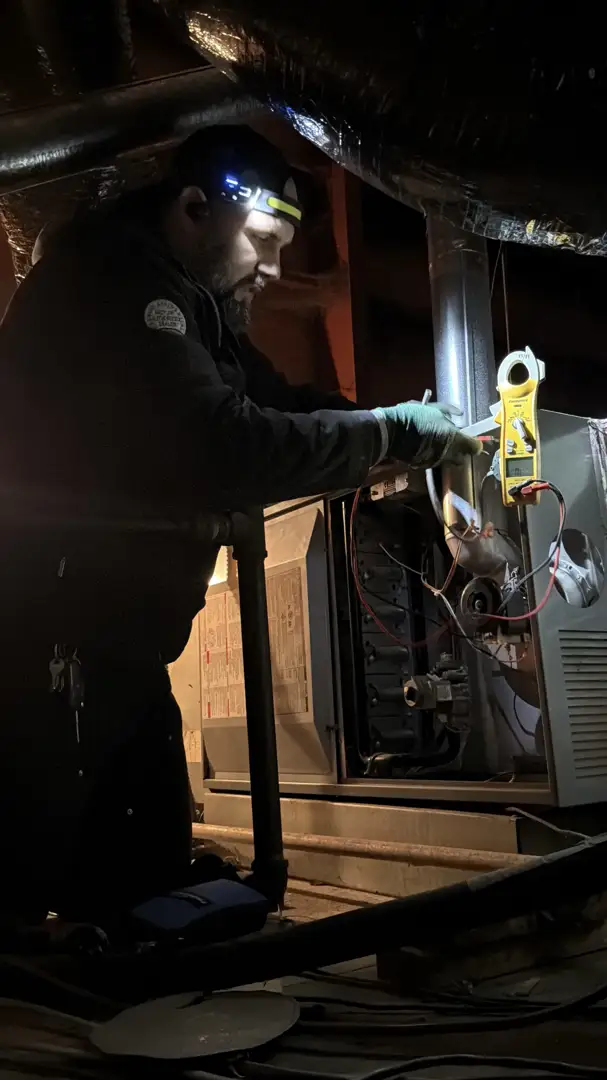
Gas furnace repair in Eagle Point, OR is one of the most urgent home service needs when Rogue Valley temperatures drop. Winters here are cold enough to freeze pipes, stress your heating system, and turn a minor furnace issue into a full-blown emergency fast.
Here's a quick look at what Eagle Point homeowners need to know:
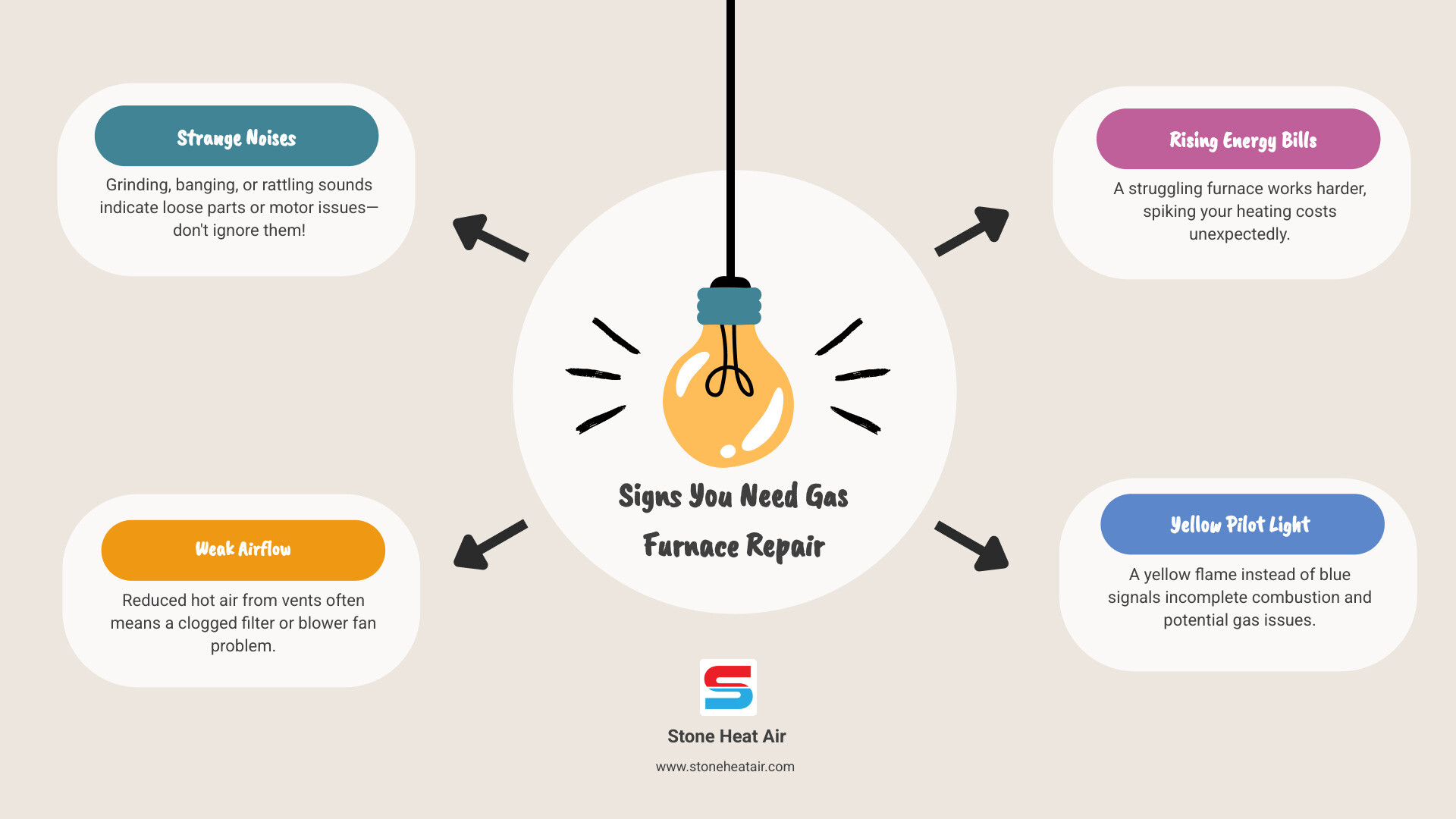
• Common signs you need repair: strange noises, weak airflow, rising energy bills, uneven heating, yellow pilot light
• When to act: as soon as you notice symptoms — delays make problems worse and more expensive
• Furnace lifespan: most gas furnaces last 12 to 17 years with proper maintenance
• DIY vs. professional: basic checks like thermostat settings are fine, but gas-related issues always need a pro
• Key benefit of prompt repair: avoid frozen pipes, carbon monoxide risks, and full system failure
Eagle Point sits in the Rogue Valley, where cold snaps can arrive fast and linger. A furnace that's struggling in October can leave you without heat by December. The good news is that most furnace problems — when caught early — are straightforward to fix. This guide walks you through everything you need to know to keep your home warm all season long.
Recognizing the Signs You Need Gas Furnace Repair in Eagle Point, OR
Living in Southern Oregon, we know that our furnaces are the unsung heroes of the household. However, they rarely fail without giving us a few hints first. Recognizing these red flags early can be the difference between a quick afternoon fix and a freezing night waiting for an emergency technician.
One of the most common issues we see is "short cycling." This happens when your furnace turns on and off frequently without ever truly reaching the temperature set on your thermostat. If you feel like your unit is constantly clicking on for three minutes and then shutting down, you should learn how to tell if your furnace is short cycling to prevent internal components from burning out prematurely.
Another visual cue is the control board light. Modern furnaces use a diagnostic light system. If you peer through the little window on your furnace's bottom panel and see a flashing pattern, you might wonder, why is there a blinking red light on my furnace? This is essentially your furnace’s way of "talking" to us, indicating specific sensor failures or ignition problems.
You should also trust your senses. If the air coming from your vents feels like a hair dryer on its highest setting but then suddenly cuts out, you might be determining whether your furnace is overheating. Overheating is often caused by restricted airflow, which forces the limit switch to shut the system down for safety. Similarly, if you notice a "dusty" or "metallic" scent when the heat kicks on, it is worth investigating why your furnace smells to ensure there isn't a cracked heat exchanger or electrical wire melting.
Finally, keep an eye on your mailbox. A sudden, unexplained spike in your energy bills—even if the weather hasn't changed much—usually means your furnace is working twice as hard to produce half the heat. This, combined with weak airflow where some rooms feel like iceboxes while others are stuffy, is a clear indicator that gas furnace repair in Eagle Point, OR is overdue.
Why Prompt Repairs are Essential for Rogue Valley Winters
In Eagle Point, we take pride in our local landmarks like the Butte Creek Mill and our beautiful covered bridges. But when winter settles into the Rogue Valley, that beauty comes with a bite. Promptly addressing furnace issues isn't just about staying cozy; it’s about protecting your biggest investment: your home.
When a furnace fails during a Southern Oregon cold snap, the temperature inside your home can drop to dangerous levels within hours. This leads to the risk of frozen pipes. When water freezes in your plumbing, it expands, often leading to burst pipes that cause thousands of dollars in water damage. By navigating gas furnace repair in Central Point and the surrounding Eagle Point area early, you keep the home's "envelope" warm enough to prevent these plumbing nightmares.
Safety is our number one priority. A malfunctioning gas furnace can pose serious risks, including gas leaks or carbon monoxide (CO) poisoning. Carbon monoxide is an odorless, colorless gas that can be lethal. This is why professional inspections of your gas furnace are so critical. If a technician discovers a cracked heat exchanger or a dangerous venting issue, they may have to "red tag" the unit. If you find yourself in this situation, it’s important to know about red-tagged furnaces and what you should do to stay safe while planning your next steps.
Avoiding Emergencies with Gas Furnace Repair in Eagle Point, OR
The best way to handle a furnace emergency is to prevent it from happening in the first place. Many homeowners in our region have found that by addressing small rattles or minor ignition delays, they don't get left in the cold with expert gas furnace repair in Talent, Oregon and Eagle Point.
Whether you need gas furnace repair in Medford, OR or right here in Eagle Point, understanding the "heart" of your system helps. For instance, do you know what causes a furnace pilot light to go out? It could be a simple thermocouple issue or a draft in your utility closet. Furthermore, becoming familiar with furnace tips for recognizing flame colors can save your life; a healthy flame should be crisp and blue. A yellow or flickering flame suggests incomplete combustion and a high risk of carbon monoxide.
Repair vs. Replacement: Making the Right Choice for Your Home
One of the most difficult decisions a homeowner faces is whether to keep patching up an old unit or invest in a new one. In the Rogue Valley, where we rely heavily on our heating for several months of the year, the "15-year rule" is a good baseline. Most gas furnaces have a lifespan of 12 to 17 years. If your unit is approaching its 15th birthday and starts requiring multiple repairs in a single season, replacement is often the more cost-effective long-term move.
FactorRepairReplaceAgeUnder 10-12 yearsOver 15 yearsRepair CostLess than 30% of new unitMore than 50% of new unitEfficiencySystem still meets your needsMonthly bills are skyrocketingReliabilityFirst or second repairFrequent breakdowns every winterSafetyMinor electrical/sensor issuesCracked heat exchanger/CO risk
While we focus heavily on gas, many homes in our area utilize hybrid systems or electric backups. Understanding electric furnace component failures can also be helpful if your home uses an electric air handler in conjunction with a heat pump. Modern high-efficiency gas furnaces can reach AFUE (Annual Fuel Utilization Efficiency) ratings of 95% or higher, meaning nearly every dollar you spend on gas goes directly into heating your home, rather than up the chimney.
When to Schedule Gas Furnace Repair in Eagle Point, OR
Sometimes the issue isn't the furnace itself, but how it communicates with you. If you are wondering what to do if you notice your furnace blowing cold air, the first step is actually checking your thermostat settings. It might be as simple as a "Fan On" setting blowing unheated air through the house. If the thermostat is old or unresponsive, it might be time to install a new thermostat to improve accuracy and efficiency.
If you have recently had a new unit installed and notice a faint "burning" smell during the first few cycles, don't panic. You can check if your new furnace smells and if it is normal—usually, it’s just the manufacturing oils burning off. However, recurring pilot light issues or loud "booming" sounds during ignition are signs that you need to call us for gas furnace repair in Eagle Point, OR immediately.
Preventive Maintenance and Homeowner Tips
The secret to a furnace that lasts 20 years instead of 12 is simple: maintenance. We often tell our neighbors in Eagle Point that a little bit of attention in the fall saves a lot of headaches in the winter.
The most important thing you can do as a homeowner is change your air filter. A clogged filter is the primary cause of system overheating and component failure. Depending on your home (if you have pets or wood-burning stoves nearby), you should change your filter every 1 to 3 months. For more localized advice, check out our gas furnace maintenance Medford tips or our gas furnace maintenance Central Point guide.
Regular professional tune-ups should also be part of your routine. Whether you follow a gas furnace maintenance guide for Talent, OR or live right here in Eagle Point, a professional check-up includes cleaning the burners, inspecting the heat exchanger for cracks, and testing safety sensors. Don't forget that maintenance isn't just for the fall; our furnace spring maintenance tips help you "put the system to bed" properly after a hard winter.
Lastly, keep an eye—or a nose—out for "Dirty Sock Syndrome." If your vents smell like a locker room, you might be dealing with bacteria buildup on your coils. You can learn more about if your HVAC unit has dirty sock syndrome and how to treat it to keep your indoor air quality high.
Frequently Asked Questions about Eagle Point Heating
Why is my furnace blowing cold air?
There are several reasons for this, ranging from a simple thermostat setting (the fan is set to "On" instead of "Auto") to a more serious issue like a failed ignition or a tripped limit switch. If your furnace starts by blowing warm air and then turns cold, it’s likely overheating due to a dirty filter or blocked vents.
How long do gas furnaces typically last in Oregon?
In the Rogue Valley, most well-maintained gas furnaces last between 12 and 17 years. Because our winters can be damp and cold, systems that aren't regularly serviced may see a shorter lifespan due to rust or overworked components.
What should I do if I smell gas near my furnace?
If you smell a strong odor of rotten eggs, leave your home immediately. Do not turn any lights on or off, and do not use your phone inside the house. Once you are a safe distance away, call your gas utility company and then call for emergency gas furnace repair in Eagle Point, OR. Safety must always come first.
Conclusion
At Stone Heat Air, we understand that a broken furnace is more than just an inconvenience—it’s a disruption to your family’s comfort and safety. We are proud to serve the Eagle Point community with honest and fair dealings, ensuring that every neighbor gets the high-quality service they deserve. Whether it’s a routine tune-up or a midnight emergency, our 24/7 emergency service is here to ensure you never have to shiver through a Rogue Valley night.
For the ultimate peace of mind, consider joining our Stone Comfort Membership Club. Members enjoy priority service, regular maintenance visits, and the confidence that their heating system is always ready for whatever the Oregon winter throws our way.
Don't wait for the first frost to find out your furnace is struggling. Schedule your professional service today and let us be your heating heroes!