

Indoor air quality is a significant concern for homeowners and businesses alike, with pollutants ranging from dust mites to smoke vying to compromise our health and comfort. Fortunately, air purifiers stand as a formidable defense against a myriad of airborne contaminants. They are engineered to tackle a wide array of pollutants, ensuring your indoor environment is safe and comfortable. Read on as Stone Heating and Air shares some of the specific pollutants they target.
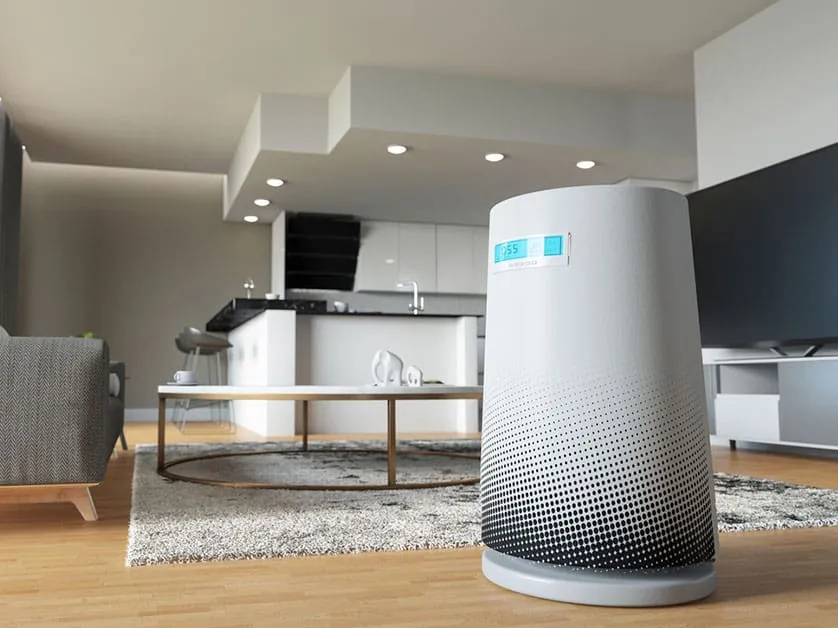
Allergens and Particulate Matter
Particulate matter (PM), including PM2.5 and PM10, consists of tiny particles in the air we breathe. These particles, along with common allergens such as dust mites, pollen, and pet dander, can exacerbate respiratory conditions and allergies. High-efficiency particulate air (HEPA) filters in air purifiers are particularly effective in removing these particles from indoor air, capturing at least 99.97% of pollutants that are 0.3 microns or larger in size.
Smoke and Odors
Smoke from tobacco, wildfires, and even cooking can pervade your indoor space, posing health risks and creating unpleasant odors. Air purifiers with HEPA filters and activated carbon can efficiently remove smoke particles and neutralize odors, enhancing indoor air quality and comfort in your home.
Mold Spores
Mold spores thrive in damp conditions and can lead to various health issues when inhaled or contact is made. Air purifiers equipped with HEPA filters are adept at trapping these spores, reducing the risk of mold-related health problems and allergic reactions.
Bacteria and Viruses
The concern for microbes such as bacteria and viruses has become more pronounced, particularly in light of recent global health events. Certain air purifiers use UV-C light to inactivate these pathogens, adding an extra layer of protection for your home or office.
Types and Methods of Pollutant Removal
Air purifiers use various technologies to cleanse the air, including:
• Filtration: The most common method, using HEPA filters to capture particles.
• UV Sterilization: Uses ultraviolet light to neutralize bacteria, viruses, and other microorganisms.
• Ionization: Charges particles so they attach to surfaces or each other, falling out of the air.
Each method has its strengths, and the best air purifier for your needs depends on the specific pollutants you're dealing with and the size of your space.
Benefits of Installing an Air Purifier
Integrating an air purifier into your home or office not only improves air quality but also brings several benefits. By removing allergens and irritants, air purifiers can help alleviate symptoms for those with respiratory conditions. They can also eliminate harmful chemicals and neutralize unpleasant odors.
Maintain Your Indoor Air Quality With Our Experts
At Stone Heating & Air, Inc., we carry a selection of air purifiers designed to meet the varied needs of our clients. If you're considering an air purifier for your home or business, we can help you choose the best options that suit your needs. Call us today at (541) 855-5521 or fill out our online form to schedule an appointment.